
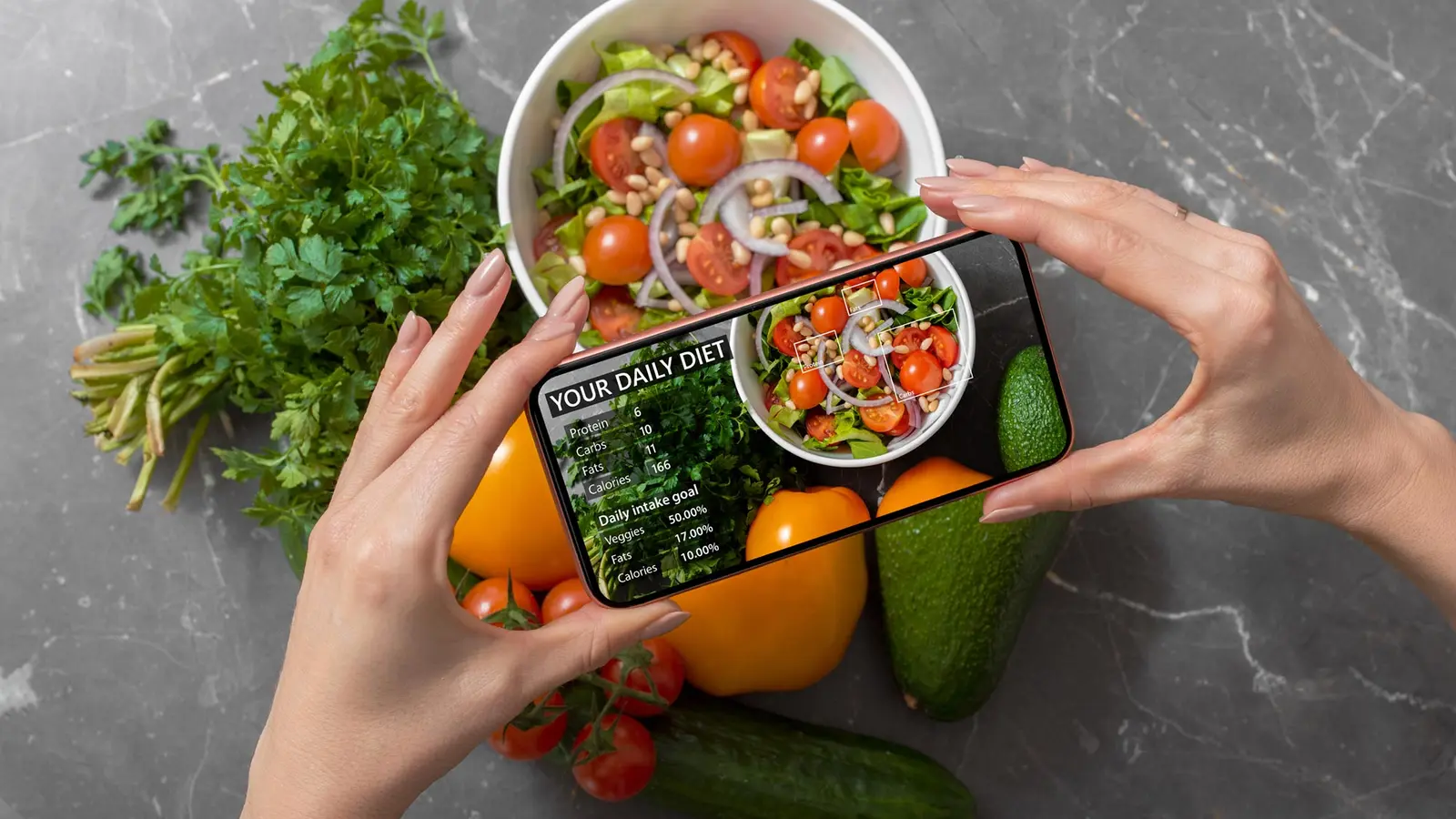
Swap one item on your plate and you might save money and edge closer to dietary targets without giving up the meal you love. That is the striking claim from a new study out of the University of California, Davis, where researchers taught an AI to propose minimal ingredient changes that improve nutrition while trimming estimated meal costs.
A pragmatic nudge, not a total makeover
Dietary advice is clear about lowering risk for diabetes and heart disease. What’s not clear for most people is how to translate those rules into the dishes they actually eat. Swap a processed sausage for beans? Reduce portion size? Replace a high-sodium sauce? These are small moves, but they can be hard to spot in the bustle of daily life.
To tackle that gap, the team at UC Davis analyzed 135,491 meals logged by 55,228 adults in the national What We Eat in America survey. From those entries they identified common meal patterns for breakfast, lunch, and dinner and trained a generative AI model to produce realistic, pattern-matching meals while adjusting portion sizes.
Instead of presenting radical diet plans, the model was asked a simpler question: can a handful of targeted ingredient substitutions—one to three per meal—shift a meal meaningfully toward USDA nutrition targets and lower cost, while keeping the dish recognizably the same?

Results that change the scale
The simulations suggest yes. Across comparable meal categories, AI-generated alternatives landed 47 percent closer to USDA nutrient goals than the original meals. One to three substitutions improved nutritional quality by about 10 percent and cut estimated meal costs by 22 to 34 percent. Small, clear trends emerged: add vegetables or legumes; replace highly processed items or high-sodium components; moderate portion sizes.
The UC Davis model also outperformed a large general-purpose model, GPT-4o, at aligning meals with macronutrient targets. That matters because a nutrition-focused generative model can learn culinary patterns—the textures, flavors, and portion norms people expect—while nudging ingredients toward better nutrient profiles.
Why this matters for public health tools
There’s a gulf between dietary guidelines and everyday choices. Many digital tools demand sweeping behavior change or deliver abstract scores that feel removed from dinner. A system that offers a tiny swap—a red bean for a processed patty, a vegetable-based sauce in place of a cream-heavy one—creates actionable options a person can accept or reject in seconds.
Practicality is baked into the approach: budget sensitivity, realistic meal patterns, and just enough change to improve nutrition without sacrificing cultural preference or taste. That combination could make interventions more adoptable in apps, clinic settings, or community nutrition programs.
Limitations and next steps
These findings are based on computer simulations. No human taste tests or real-world trials have validated whether people will accept the swaps, whether meals remain satisfying, or whether savings hold up in different markets. The model estimates cost but does not yet incorporate supply-chain volatility, seasonal produce prices, or local culinary customs.
The researchers acknowledge these limits. Their writing emphasizes that the framework is a step toward turning dietary guidelines into concrete, budget-aware meal suggestions that users can actually implement.
Expert Insight
"Small changes matter because they are doable," says Dr. Elena Marquez, a public health nutritionist who has worked on community food programs. "When a suggestion respects flavor and pocketbook, people are more likely to try it. The real test will be whether those swaps persist in households and translate into measurable health gains over time."
Technically, future work will need to integrate personalization. That means modeling individual taste preferences, food allergies, and cultural menus, and validating cost estimates across regions. It also means testing whether a recommendation delivered within a grocery app or a clinic counseling session actually changes shopping and cooking behavior.
Conclusion
The UC Davis study shows that machine learning can do more than generate novel recipes: it can translate nutrition targets into practical adjustments people can act on immediately. One swap. Two swaps. Simple, budget-aware nudges that preserve taste and familiarity—small moves with outsized potential for public health. The challenge now is real-world testing: will these computer-suggested swaps survive the messy, delicious reality of kitchens and markets?

“My work centers on sustainability, energy, and environmental science — examining how innovation can lead to a greener future.”

Discussion
Leave a Comment