
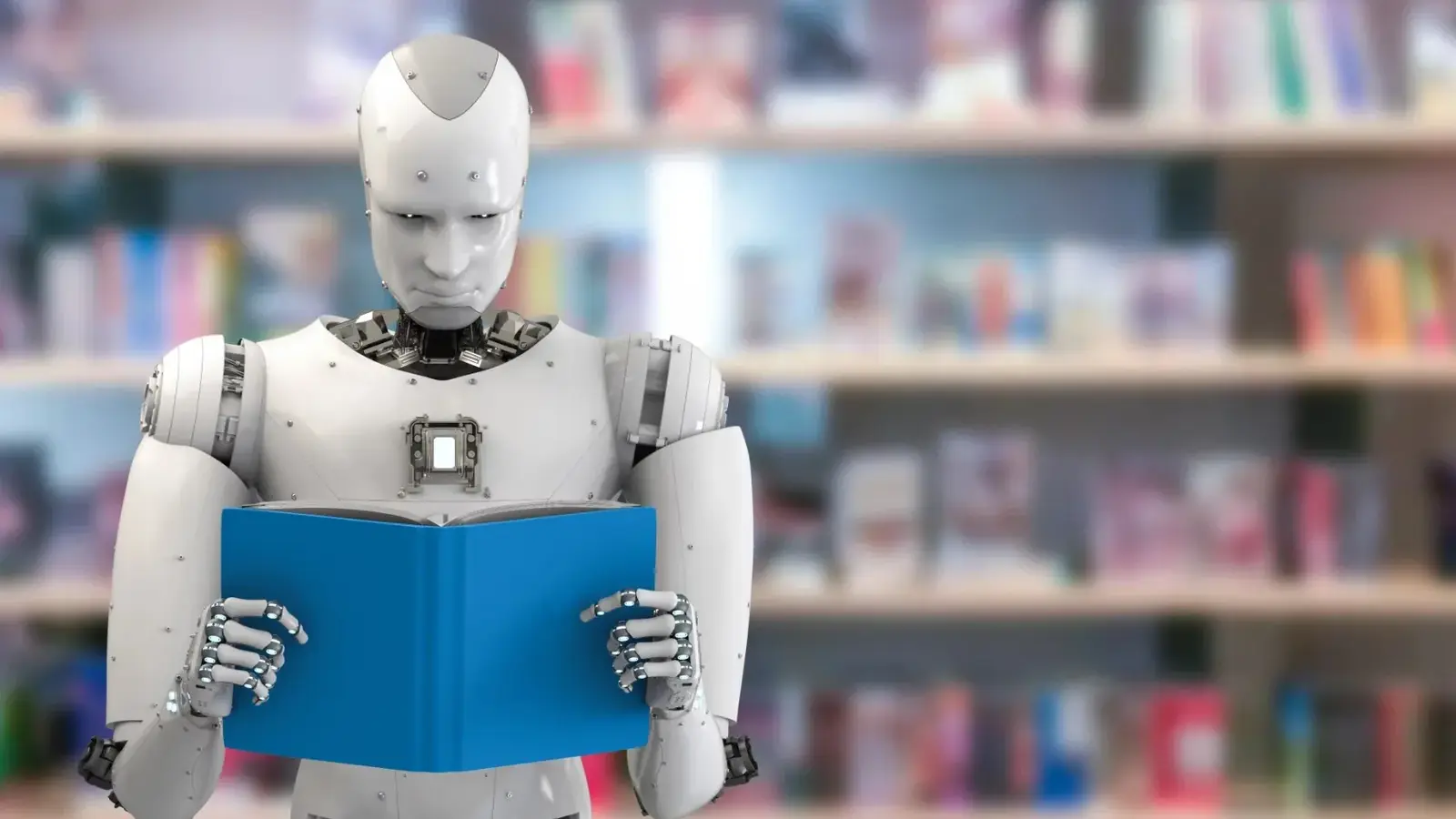
Imagine a classroom where students never sleep, never forget, and repeat the same motion hundreds of times until it becomes instinct. That classroom exists now in Shanghai, and its pupils are more metal than flesh.
On a 5,000-square-meter site in Zhangjiang, a new academy will soon host more than 100 humanoid robots from multiple manufacturers. The goal is simple but ambitious: turn prototypes into reliable workforce partners for hospitals, hotels, farms, and factories.
Hands-on practice, at machine scale
Trainers at the center have broken robotic competence down into 45 core skills. Picking things up. Moving them. Arranging parts in sequence. Each skill is taught through relentless repetition. Under expert supervision, a single robot can perform a targeted motion up to 600 times in a day. There is science behind the grind: every cycle generates precise motion traces, timing markers, and sensor reads that feed the next lesson.
The payoff is not only smoother servomotors. These exercises create an enormous stream of behavioral data. Engineers expect roughly 50,000 data points every day from the facility. Those points will be cleaned, labeled, and pooled to form a shared learning resource that accelerates improvement across different robot models and brands.

Data sharing is treated as the platform’s secret ingredient. Center leadership says that opening up motion datasets at scale allows disparate machines to learn from one another, shortening the development curve and improving safety in real-world chores. The idea is pragmatic: robots trained on a common foundation will adapt faster when deployed into messy human environments.
There’s a judgment layer in development too. The academy isn’t only teaching motor patterns. Trainers are pushing robots to chain actions together, to decide when to start a sequence and when to pause. Those capabilities matter in medical rooms where timing is critical, in service settings where context shifts fast, and in fields where unexpected obstacles appear frequently.
Why here? Zhangjiang’s tech cluster offers nearby hardware makers, research labs, and service companies—an ecosystem that can stress-test robots across many scenarios. Manufacturers send different body types and software stacks to the academy so the shared dataset covers wide design variations. That diversity makes the eventual “cloud brain” more general and more useful.
There’s a human side to this too. Specialists, motion engineers, and safety auditors will work on the floor alongside the machines. They annotate failures, adjust grip parameters, and tune motion profiles. Robots learn from raw repetition; humans teach them nuance.
What happens next could reshape how quickly humanoid robots move from lab curiosities into everyday helpers. If the shared model succeeds, we’ll see faster rollouts, fewer surprises in the field, and robots that require less bespoke tuning for each new task. The academy is an experiment in scale—training not just machines, but an industry-wide approach to shared intelligence.

“I cover emerging technologies, digital innovation, and the intersection of tech and everyday life. My goal is to make complex trends accessible and inspiring.”

Discussion
Leave a Comment
Comments (2)
Wow dont lie, that sounds both impressive and kinda creepy. Robots drilling motions till instinct— humans still gotta teach the nuance, right? we'll see..
Is this even true? 100+ humanoids trained to repeat motions 600x/day, huge dataset but who audits rare failures, edge cases, or privacy leaks? hmm