
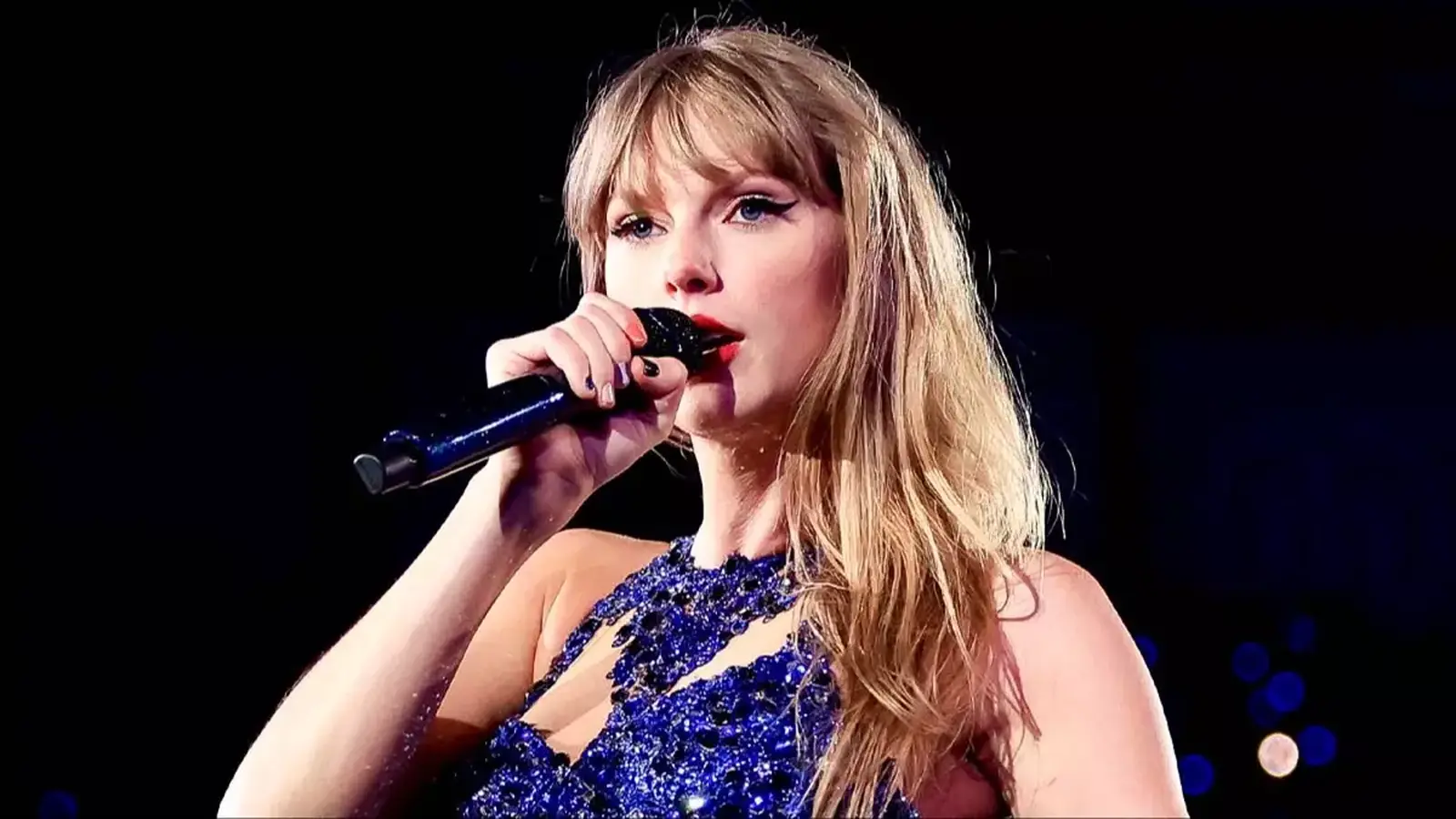
Swift on Fallon: not about footage, but about focus
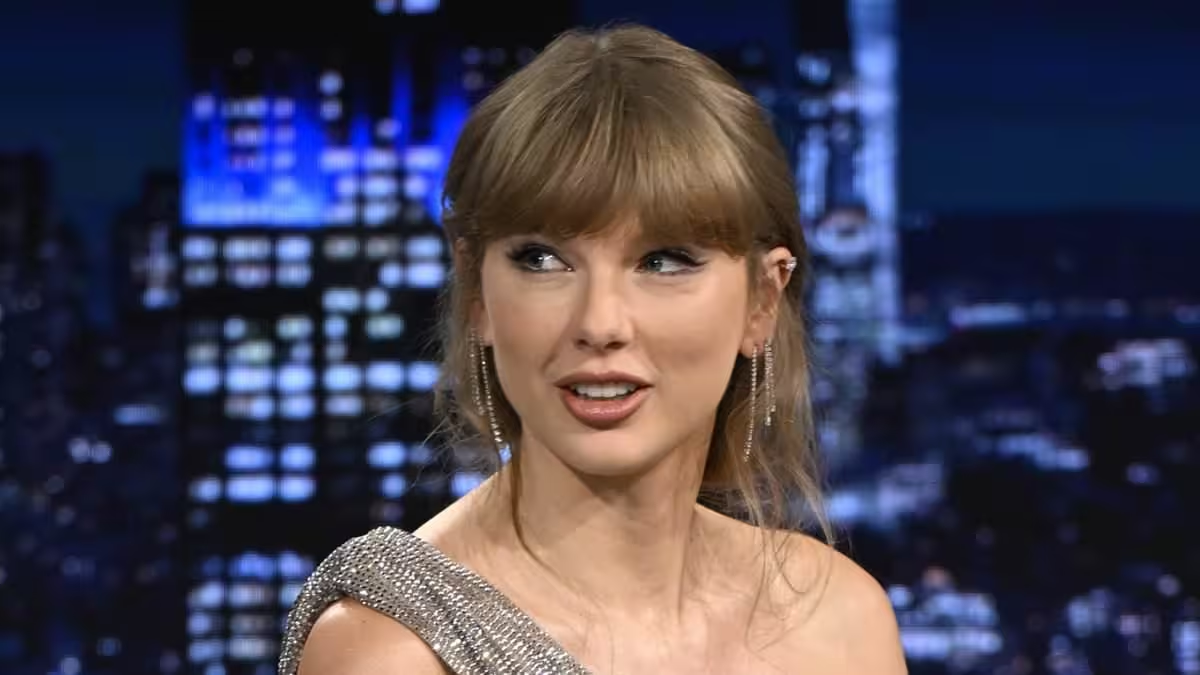
Taylor Swift’s light-hearted appearance on The Tonight Show with Jimmy Fallon gave fans a few laughs (yes, there was a surprisingly long chat about bread), but the extended interview posted online delivered the more interesting moments. In a game segment about online rumors, Swift addressed why she didn’t sign on to perform at the Super Bowl Halftime — and her explanation had more to do with timing and personal priorities than a fight over performance footage rights.
On-air, she initially reacted to the rumor that she’d refused the gig because she would not own the rights to the recorded performance. In the longer cut available on the show’s website, Swift clarified that her team only received informal, exploratory queries from Roc Nation — the entertainment partner that programs the halftime show — rather than a formal, negotiated offer. The story often boiled down in headlines to “footage rights,” but Swift said a flat “No” when asked whether that was the reason she passed.
Romance, risk, and live-performance priorities
What she did emphasize was something more human: her emotional investment in her fiancé, Travis Kelce, a Kansas City Chiefs tight end. Swift joked and then seriously explained that pro football is “violent chess” — dangerous, high-intensity work — and she spent the season focused on watching him play. Even if an official offer had come, the timing and her attention would have been split.
She also spoke warmly about Jay-Z and Roc Nation, noting their close business relationship and that early outreach was often more of a "how would she feel about this generally?" rather than a formal negotiation.
Why this matters beyond a TV moment
This episode touches on larger industry trends. Rights to live-performance footage have become a key bargaining chip as artists turn concerts into films and streaming events — consider the success of Taylor’s own concert film and music documentaries that rely on tight control of footage and distribution. The Super Bowl halftime slot has in recent years blurred the lines between a single live moment and a multi-platform media product.
Comparisons are inevitable: artists like Beyoncé and Bruno Mars used halftime performances to amplify cultural moments and later transform elements into documentaries or streaming releases. Swift’s decision underscores how top-tier pop stars now weigh not just the live spectacle but the downstream uses: streaming, concert film, and licensing.
Fans reacted with a mix of disappointment and understanding. Swifties will keep hoping — but for now, the decision reads as a mixture of personal loyalty, career strategy, and the messy realities of negotiating a global TV event.
A short, candid moment on late-night TV turned into a revealing look at the modern music-business calculus around live performance, ownership, and what artists prioritize offstage.

"I’m Layla. Series watcher, story-lover, fan of movie. If it’s worth your screen time, I’ll let you know!"

Discussion
Leave a Comment