
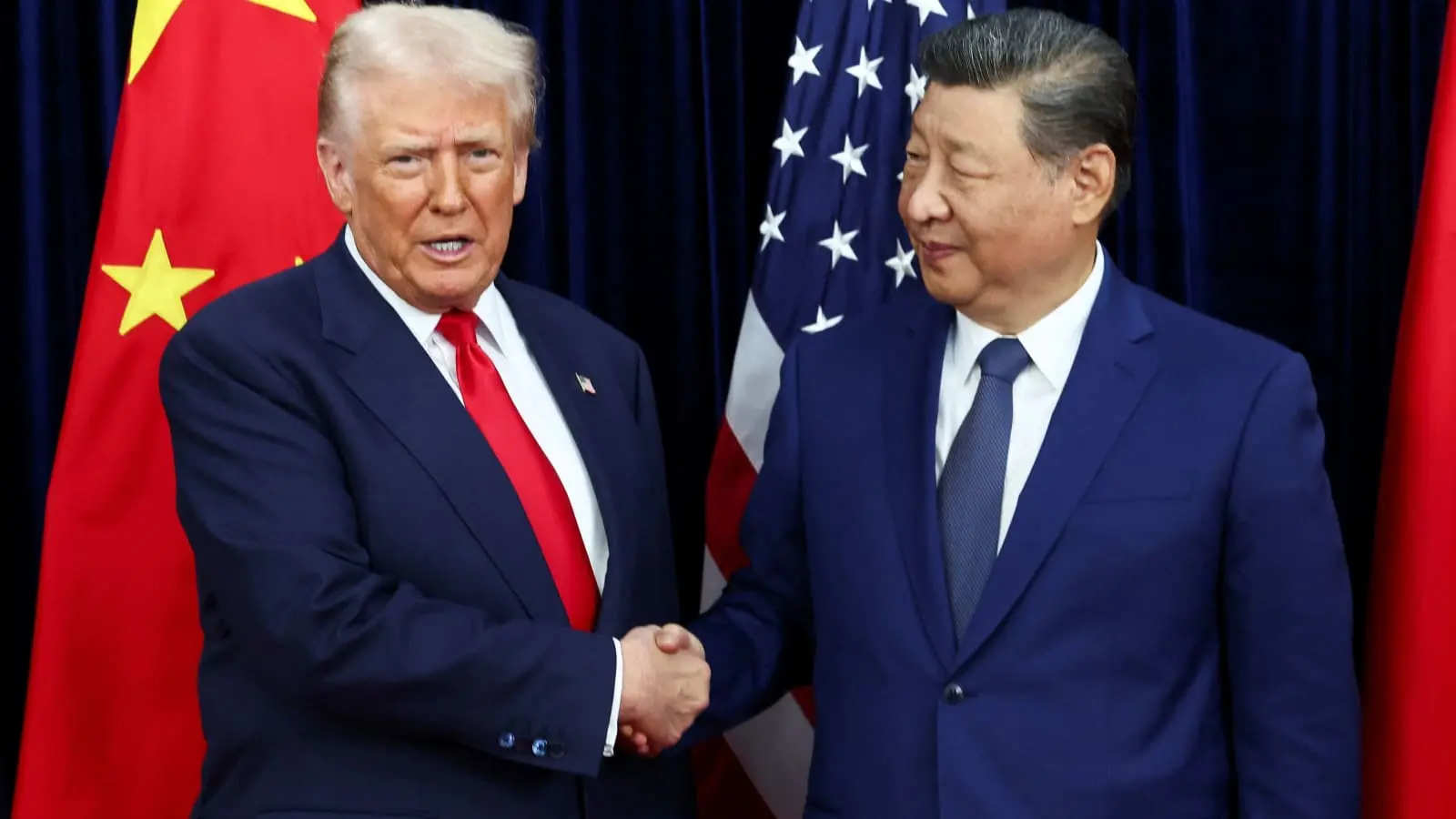
In a surprising shift in trade tensions, the United States and China have reached a tariff agreement that eases some of the pressure on global tech markets. The deal trims levies on Chinese goods and lifts a one-year restriction on rare-earth mineral imports — moves that will be watched closely by tech firms, investors and consumers.
What changed in the deal — the headlines
According to the agreement announced by the two governments, tariffs on Chinese goods will be reduced from 57% to 47%. China has also agreed to suspend restrictions on imports of US rare-earth minerals for one year. These measures come after a period in which US tariffs briefly peaked at 145% earlier in the year, a level that intensified supply-chain shifts and price pressure across the tech sector.
Why tech companies breathe easier — but not entirely
Lower tariffs will provide immediate relief to device makers and component suppliers that faced higher costs and disrupted manufacturing plans. Apple, which had to diversify its supply chain and absorb initial tariff-related price shocks, is frequently cited as one of the firms to benefit most from any rollback. For many companies, cutting duties reduces short-term margin pressure and eases inventory planning.
But the mood is cautious. Tariff relief does not automatically reverse the broader reshaping of global supply chains that firms have already invested in. Companies that shifted production, retooled logistics, or diversified suppliers earlier this year won’t undo those moves overnight. For consumers, the change could gradually ease upward price pressure on electronics, though timing will vary by product and region.
Semiconductors, Nvidia and the sticking points ahead
Crucially, the agreement leaves several high-stakes issues unresolved. Semiconductors and advanced chip exports remain contentious. President Trump indicated that China and Nvidia would need to negotiate specifics — suggesting that restrictions on certain semiconductor technologies could persist or be subject to separate talks. For chipmakers and cloud-service companies, that uncertainty remains the primary operational risk despite the tariff cuts.
Why semiconductors still matter
Chips are the backbone of modern technology: smartphones, data centers, AI systems, and automotive electronics all rely on secure, reliable supply lines. Any continued controls on exportable chip designs or manufacturing equipment would constrain product roadmaps and could reshape partnerships between US and Chinese firms.
TikTok and political complications
Another unresolved item is the fate of TikTok in the US. China’s Commerce Ministry signaled that a properly finalized deal will be required to settle the app’s status in America. That suggests additional negotiations and regulatory steps are likely before a lasting outcome emerges, leaving TikTok’s position in the market uncertain.
What to watch next
- Follow-up talks on semiconductor export rules and any targeted restrictions affecting AI chips or advanced manufacturing tools.
- Formal timelines for China’s one-year suspension on rare-earth import limits and how that affects supply for magnets, batteries and electronics components.
- Negotiations to finalize TikTok’s status and whether a deal will satisfy both US regulatory concerns and China’s trade priorities.
- How quickly companies pass tariff savings to consumers versus reinvesting them into supply-chain resilience.
Imagine reduced cost pressure on your next phone purchase, or a chip shortage that eases because export rules loosen — but also consider the counterpoint: a new set of, more targeted export controls could still reshape the industry. For now, the tariff rollback is a welcome relief in a turbulent year, but many of the most sensitive tech issues will unfold in the months ahead.

“I cover emerging technologies, digital innovation, and the intersection of tech and everyday life. My goal is to make complex trends accessible and inspiring.”

Discussion
Leave a Comment