
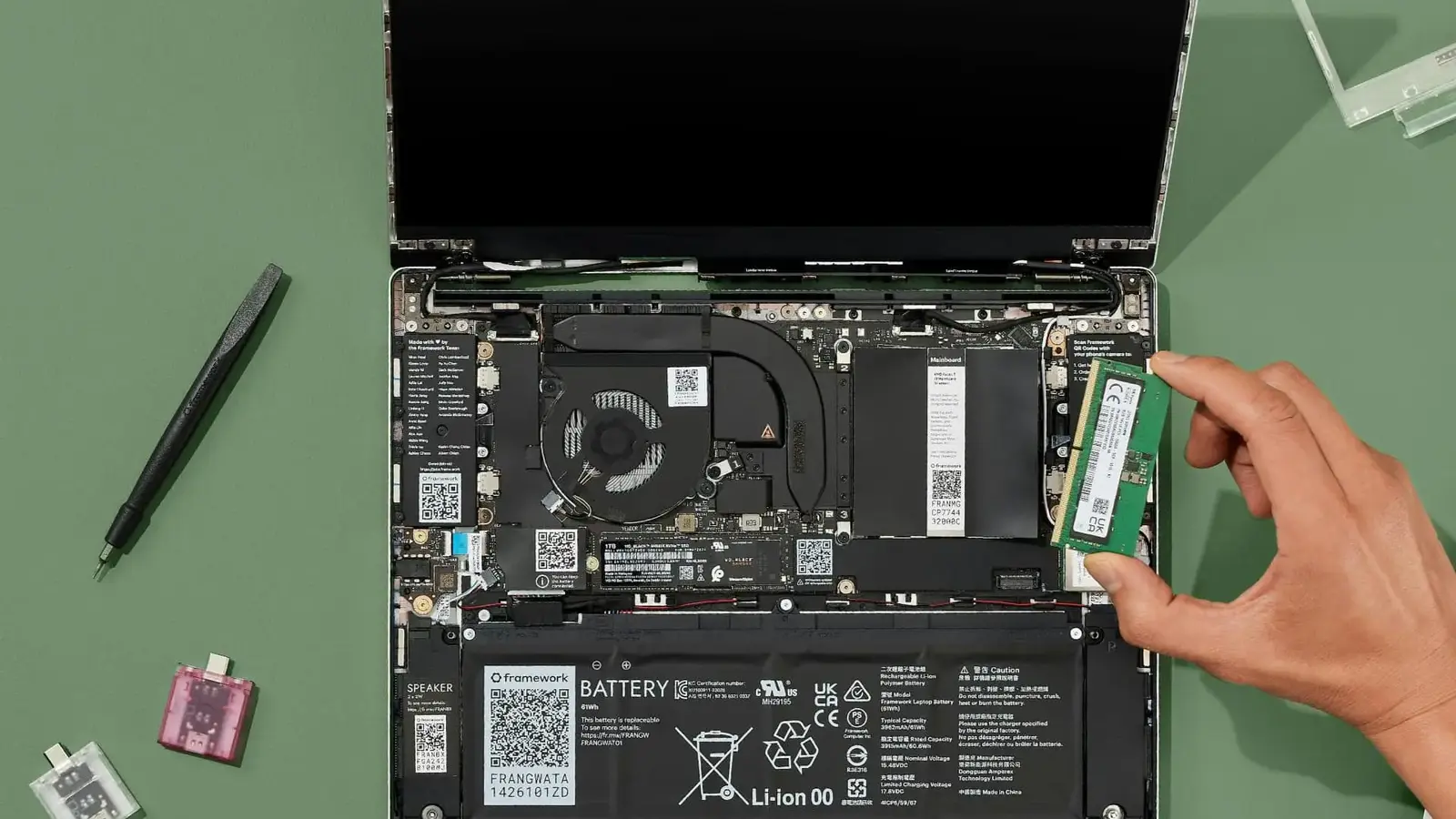
The moment you see a 48 gigabyte DDR5 kit built from homegrown 24‑gigabit chips, you stop and take notes. This is not tinkering at the edges. It is the first clear sign that Chinese memory makers are moving from follower to contender.
Gloway and KingBank have quietly launched 48 gigabyte kits assembled from two 24GB modules, each relying on domestically produced 24‑gigabit dies. Gloway’s Longwuyi Yi Special Edition hits 6000 MT/s and comes optimized for AMD platforms. KingBank’s Star Blade RGB matches the 2x24GB layout, adds RGB lighting driven by 16 LEDs, and uses slim 2 millimeter heatsinks for a low-profile fit.
When supply choices change, leverage follows
Until now, most high-density DRAM modules depended on Samsung, Micron, or SK Hynix for the underlying chips. No longer. By integrating local 24Gb chips, Chinese vendors cut a significant dependency on the “big three.” That matters. Fewer single-source chokepoints mean more bargaining power, and over time that shifts how OEMs and system builders plan inventory.

Practically speaking, these newcomer kits are engineered with attention to thermal control. Gloway uses thermal pads rated at around 5 W per meter‑kelvin to help shed heat under sustained loads. KingBank pairs its modules with compact heatsinks and a bold visual approach that will appeal to DIY builders who want capacity without a bulky profile.
Are Samsung and Micron in immediate danger? Not exactly. Manufacturing scale, process maturity, and global distribution remain areas where the incumbents hold clear advantages. Short-term consumer pricing is unlikely to tumble overnight. But if mass production of Chinese 24Gb chips continues and yields improve, the competitive landscape will change meaningfully.

Think of this as the start of a chess match rather than a knockout punch. Chinese suppliers gain flexibility. Global supply chains get alternatives. Buyers get leverage. The result is a more diverse memory market, and that tends to improve resilience.
The next six to twelve months will be telling. Watch for wider availability, performance validation from independent reviewers, and whether second-tier PC makers begin to spec these modules in OEM systems. If adoption accelerates, the ripple effects will show up in procurement strategies and, eventually, in pricing dynamics.


“I cover emerging technologies, digital innovation, and the intersection of tech and everyday life. My goal is to make complex trends accessible and inspiring.”

Discussion
Leave a Comment
Comments
No comments yet. Be the first.