
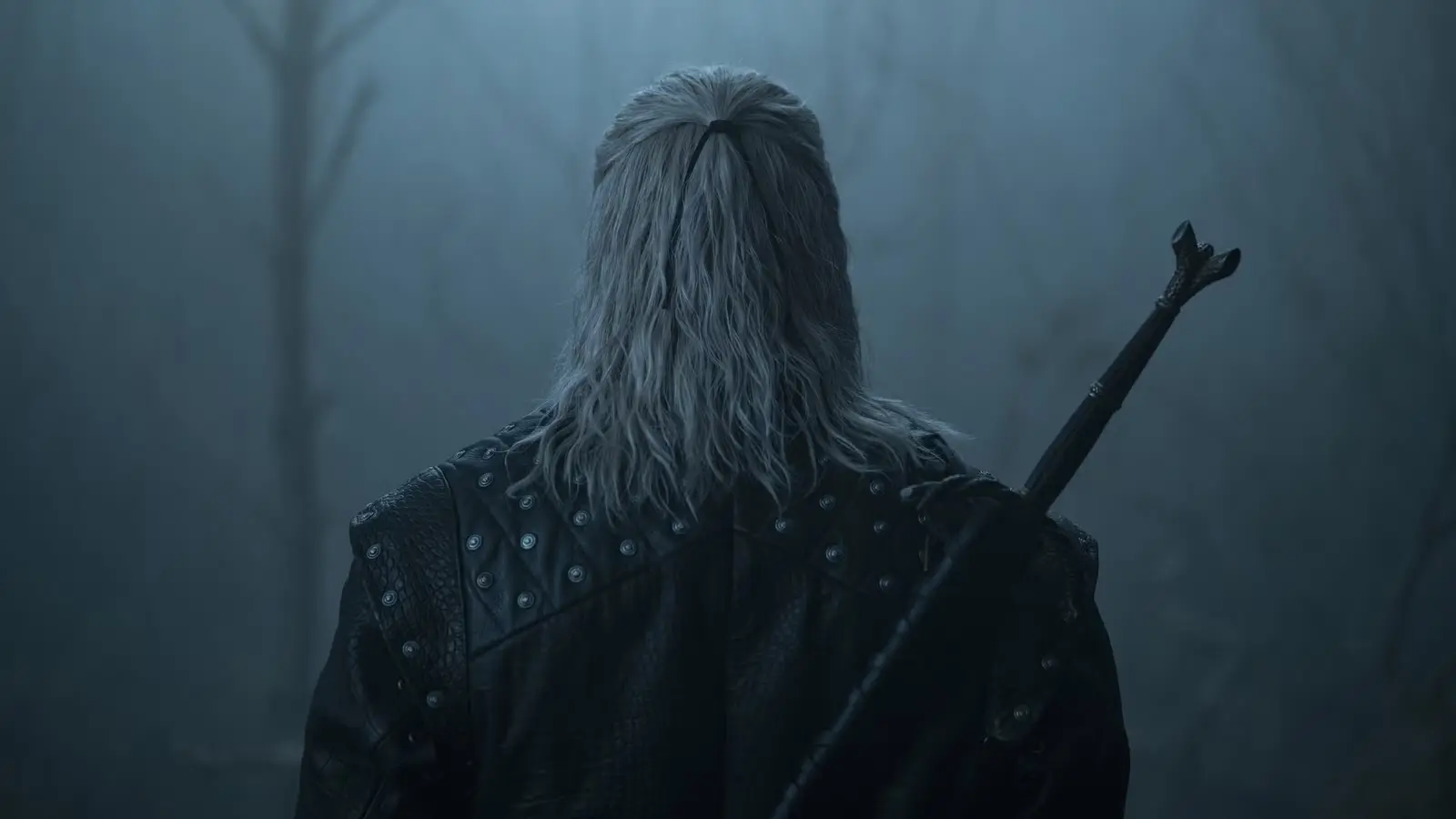
A seismic shift in a beloved fantasy universe
The Witcher Season 4 arrived with the weight of a spectacle and the pressure of a fandom that has lived with Geralt of Rivia for years. It’s the first batch of new episodes in nearly two and a half years, and the reception has been blistering on both sides of the lens. Critics have voiced disappointment, while audiences have voiced something sharper: scorn. The Netflix fantasy saga has entered a moment where every choice—casting, tone, source material fidelity, even the opening scene—is under a magnifying glass. This isn’t merely a new act; it’s a recalibration that many viewers feel misfires at the hinge between adaptation and reinterpretation. What’s different this time around? The answer is layered: a new Geralt, courtesy of Liam Hemsworth, plus a narrative approach that leans more aggressively into broad TV rhythms than the books or earlier seasons ever did. The season also signals a sharper departure from Andrzej Sapkowski’s literary arc than fans have seen before, courting a different pace, a different vibe, and yes, a different emotional center. And while a streaming success is never guaranteed by fan sentiment, the data points to a deeper current beneath the surface: a show that once felt inevitable now seems ambiguous about its own direction.

Why the departure of Henry Cavill looms so large
Henry Cavill’s exit from The Witcher before Season 3 cast a long shadow. The official line points to scheduling and other commitments, but the whispers—creative differences, a different sense of what the show should become—resonated with viewers who had fallen for Cavill’s interpretation of Geralt. Cavill wasn’t just performing a role; he embodied a texture of the character—the gravelly delivery, the iconic line readings, the glint of moral stubbornness—that defined the series for many fans. His Geralt felt lived-in, and his absence creates a vacuum that Hemsworth has struggled to fill for a vocal and visual identity that viewers could rally around. This season makes the Cavill era feel even more irreplaceable in comparison. In a broader sense, Cavill’s departure is a case study in how a single actor can anchor a long-running adaptation. When a new performer steps in, audiences don’t just audition the new persona; they compare the entire tonal ecosystem that made the show recognizable. That emotional economy is hard to re-create, especially when the narrative demands a different balance of swagger, wit, and gravitas. Ahem, the showrunners may have anticipated basics, but the on-screen shift heightened the sense that something essential had been redesigned without the same magic touch that sustained the earlier seasons.
Season 4’s bold but divisive reading of Sapkowski’s saga
The Witcher has always walked a tightrope between the source novels, the wildly popular video games, and the mutable demands of a serialized TV format. Season 4 leans even harder toward a creative re-interpretation, pushing the books’ chronology into new alignments. The decision to merge Sapkowski’s Baptism of Fire and The Tower of the Swallow into a single sequential arc is not merely ambitious; it’s risky. Those two novels unfold at different times and in different contexts, and collapsing them into one coherent timeline tests the audience’s willingness to suspend disbelief for a larger artistic argument. It’s a move that invites praise for audacity in spirit, even as it invites criticism for fidelity and coherence. Another major shift is the way Geralt and Yennefer’s stories diverge across Season 4. In the source material, the two characters share a long arc of reunion and shared purpose by this stage. The TV adaptation keeps them largely apart for most of the season, saving a brief reconciliation for the finale. That structural choice changes the emotional cadence of the show. Fans who come to The Witcher for the chemistry between Geralt and Yennefer may feel a sense of withheld payoff, while others might celebrate a more sprawling, ensemble-centered approach. Either way, it’s a deliberate break with what many believed the series had already proven it could do well: sustain a character-driven core within sprawling, high-stakes fantasy action.

Liam Hemsworth’s Geralt: a reception that’s hard to ignore
Transitioning from Henry Cavill to Liam Hemsworth is not simply a casting change; it’s a shift in the show’s tonal anchor. Hemsworth’s Geralt has been described by many critics and fans as lacking the distinctive edge that defined Cavill’s performance. Some viewers call Hemsworth’s take bland or robotic, with a vocal cadence that skews differently from the iconic growl and laconic humor that made Geralt instantly recognizable. Netflix likely thought a familiar action-leaning presence would translate across a broad audience, but the result has complicated the baseline fans use to measure the show’s success. Is the Witcher still the Witcher without Cavill’s signature gravitas? is a question that lingers through every battle sequence and quiet moment alike. This isn’t merely about acting; it’s about how a show negotiates identity in a shifting landscape of expectations. The Witcher’s core appeal rested on a messy charm—dark humor, world-weary philosophy, and a sense of danger tempered by wit. When the lead’s physical presence and vocal charisma don’t deliver that same spell, audiences start judging the entire tapestry differently. And that matters for a franchise built on a reliable, immersive atmosphere. Hemsworth has admirers who appreciate his own strengths, but in the context of this beloved property, the bar was set unusually high from the start.
Pacing and storytelling: the season that felt in a hurry
One of the season’s most common criticisms is its pace. Viewers report a sense of rushing, as if the writers tried to cram too much storytelling into too little time, trading depth for breadth. The impression of speed isn’t just about action beats; it’s about character development and the emotional resonance that makes fantasy storytelling land with power. When a show like The Witcher asks the audience to invest in new loyalties, betrayals, and revelations, it benefits from room to breathe. Season 4, by many accounts, leaves too much unexamined and too many threads hanging, to the point where crucial turning points feel more like plot devices than earned moments. Rotten Tomatoes provides a revealing snapshot as well: Season 4’s critics’ score sits around 56%, while the audience score sits near 18%. Those numbers reflect a fractured response: critics see ambitious ideas that don’t always land, while a broad audience feels the series has sacrificed something essential in its rush. This isn’t just a disagreement about taste; it’s a fracture over what The Witcher should be in a streaming era that prizes both spectacle and fidelity to beloved source material.

Visual splendor versus narrative emptiness
Visually, Season 4 doesn’t disappoint. The effects work remains vivid, the battles are staged with scale, and certain sequences gleam with cinematic ambition. Yet the glamour of the visuals cannot masks gaps in plotting and character arcs. The re-casting, while a technical achievement in some respects, amplifies pacing problems and makes the drama feel thinner where Cavill once supplied thick, layered presence. The best fantasy shows earn their popularity through a combination of breathtaking imagery and a story that invites repeated viewings. The Witcher Season 4, for many, settles for a spectacle-first approach that leaves some audiences yearning for the emotional heft that earlier seasons delivered with more quiet confidence.
What the broader industry context suggests
Season 4 is not occurring in a vacuum. The streaming era has compelled producers to pursue multi-season universes with aggressive timelines, hoping to mirror corporate success metrics as much as creative satisfaction. The Witcher’s planned five-season arc is a case study in this model: a beloved property is extended into a long-running franchise, with the hope that deepening investment across seasons will translate into sustained subscriber loyalty. In practice, this approach works when the writing remains strong, when character evolution stays at the center of the narrative, and when casting choices honor the fans’ affection for the original material. Season 4’s reception signals just how fragile that balance can be. It’s a reminder that adaptation is as much about emotionally earned trust as it is about production values. For fans of the books, players in the Witcher video games, and devoted viewers who simply adore high fantasy, Season 4’s missteps offer a chance to reassess what makes the series feel authentic. In a market crowded with reimaginings and adaptation fatigue, the key to longevity is not merely grand set-pieces but a consistent voice that honors the world’s rules while still daring to surprise it. The Witcher has always thrived on tension between fidelity and invention; Season 4 tilts too far toward the latter for some viewers, inviting a debate that will likely shape the show’s reception for years to come.

Behind the scenes: trivia, debates, and fan conversations
The Witcher fan community has kept a watchful eye on every interview, every set photo, and every social media tease. Casting announcements, script choices, and production delays become talk-show material in the world of fandom. Some fans point to the development history of Season 4 as evidence of a production pulled in multiple directions—trying to satisfy the old guard while courting a broader audience. Others celebrate Hemsworth’s risk-taking as a fresh take that could eventually stabilize into a strong iteration. The truth likely sits somewhere in between: a series striving to reinvent itself while carrying the weight of expectations built over three seasons of success. To add nuance, let’s bring in a perspectives thread from a cinema scholar who understands both adaptation and audience reception. Dr. Elena Park, cinema studies professor, notes: “Season 4 tests the delicate balance between honoring a fan-favorite performance and opening The Witcher to a broader TV audience. The risk is high, but so is the potential payoff if the storytelling can regain its moral center and a more intimate sense of consequence.”
Comparisons that illuminate the path forward
Comparative viewing helps explain why some audiences feel such a disparity between Seasons 1–3 and Season 4. Look at video game adaptation history: a production that trusts the source material deeply tends to win fans more reliably than one that treats the material as a loose launchpad for spectacle. The Witcher has gamified the art of adaptation, much like the best film-to-TV transplants did—yet Season 4’s approach resembles a broader shift toward the blockbuster streaming playbook, which can risk sacrificing the idiosyncrasies that gave the show character in the first place. For example, when a show like Game of Thrones reimagines its own epic scale for the final act, the risk is big but the payoff can be monumental if the writers manage to preserve the moral logic that underpinned the journey. The Witcher, in comparison, seems to be testing whether a larger budget and a new protagonist can carry the same emotional weight. The verdict, at least for now, is still out.

What to expect next
As long as Netflix measures The Witcher by streaming hours, the prospect of a Season 5 will likely endure. The question is whether the creative team can regain trust with fans by aligning more closely with Sapkowski’s world, heightening moments of character truth, and building toward a satisfying, season-long arc rather than a montage of set pieces. The audience’s engagement remains a critical metric; even a divisive season can generate discussion, drawing in viewers who want to see how this saga evolves. If the show returns with a sharper sense of purpose and a more cohesive blend of book history and cinematic invention, there’s a path back to a shared sense of magic that the best Witcher moments have offered before. In the end, Season 4 may be remembered less as a turning point in the Witcher canon and more as a case study in adaptation risk-taking in a crowded streaming era. It’s a season that asked big questions—about fidelity, about star power, about pacing—and left audiences with a divided verdict. The future remains uncertain, but the conversation around The Witcher continues to be one of the most watched in modern genre television. And that, in itself, is a testament to the show’s lasting cultural footprint.
Closing thought
Whether The Witcher can reclaim its former glory or whether it becomes a transitional chapter in a longer streaming saga, one thing feels clear: the show’s identity is still up for grabs. The best kind of franchise conversation is the one that sparks renewed curiosity, and Season 4 has certainly done that—perhaps not in the way the creators intended, but in a way that keeps the conversation alive for seasons to come.

"Hey! I’m John. Whether it's about films or the latest streaming hits, I’m here to bring you everything!"

Discussion
Leave a Comment