
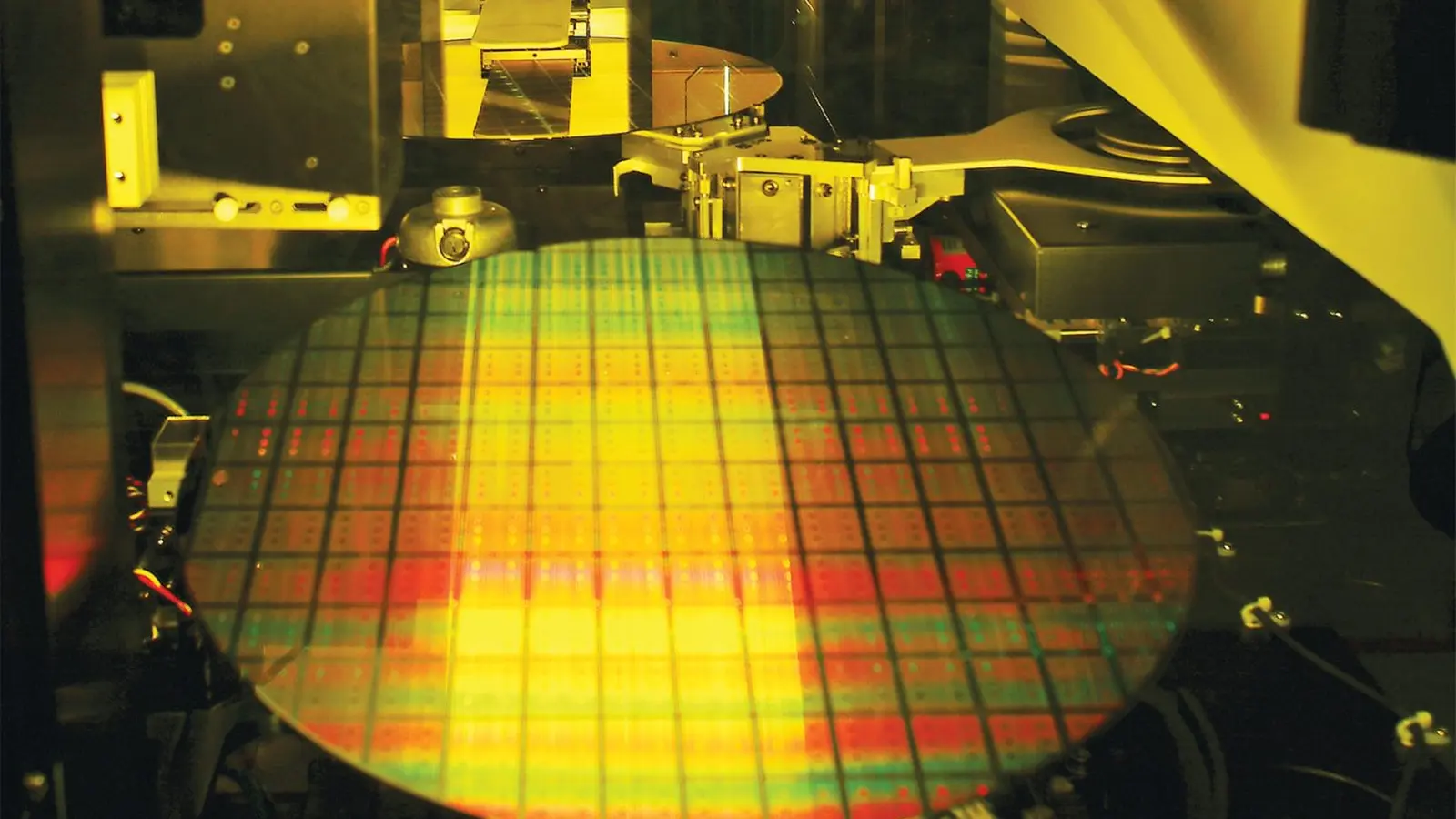
TSMC's move to 2nm manufacturing no longer looks like a pricing apocalypse for chip customers. New reporting suggests the N2 node will only cost 10–20% more than current 3nm wafers — but there’s an important caveat: TSMC is also lifting prices on its 3nm family.
Why the 2nm premium feels muted
Initial whispers said 2nm wafers might carry a 50% premium, stoking fears of sharply higher smartphone and laptop prices. The latest picture is softer: the N2 wafers themselves are expected to sit at about $30,000 each, while TSMC is increasing the list prices on N3 variants. By raising 3nm rates, the relative gap between generations narrows — making 2nm look more affordable in percentage terms, even if absolute costs remain high.
Numbers that matter
- N2 (2nm) wafers: roughly $30,000 per wafer.
- N3P (3nm performance): reported near $27,000 per wafer.
- N3E (3nm enhanced): reported near $25,000 per wafer.
Those bumping fees for 3nm mean a 10–20% difference between N2 and N3 in many cases — not because N2 got dramatically cheaper, but because N3 got relatively dearer.
What this means for device makers — and buyers
Chipmakers like Qualcomm, MediaTek and Apple have been early adopters of advanced nodes. Qualcomm, for example, is already moving its next Snapdragon flagship to an N2-based node for upcoming chips, while previous moves from 4nm to 3nm reportedly added up to a 24% cost increase for some designs. When wafer costs rise, manufacturers have a few options: absorb the hit, pass it to OEMs, or push higher-margin devices at premium pricing.
Imagine a flagship phone: wafers are only one component of total cost, but they’re among the most expensive. Even modest wafer price increases can ripple through margins, R&D budgets, and ultimately retail pricing if companies choose to protect profitability.
Timing and the industry roadmap
TSMC’s N2 is expected to ramp into mass production in the latter part of 2025. Some clients are already planning product roadmaps around N2P and other variants of the 2nm family. Meanwhile, TSMC continues to evolve future nodes and fab footprints around the globe, a development that will shape supply and price dynamics for years.
Who feels the pinch first?
High-volume mobile SoC vendors and premium consumer electronics makers will see the fastest impact. But downstream effects could reach PC components, cloud accelerators, and any product relying on bleeding-edge density and power improvements.
In short: the headline percent increase between 2nm and 3nm may be lower than expected, but the industry still faces a meaningful cost shift. Companies will juggle performance gains against wafer economics — and consumers may see subtle price adjustments as a result.

“I cover emerging technologies, digital innovation, and the intersection of tech and everyday life. My goal is to make complex trends accessible and inspiring.”

Discussion
Leave a Comment