
5 Minutes
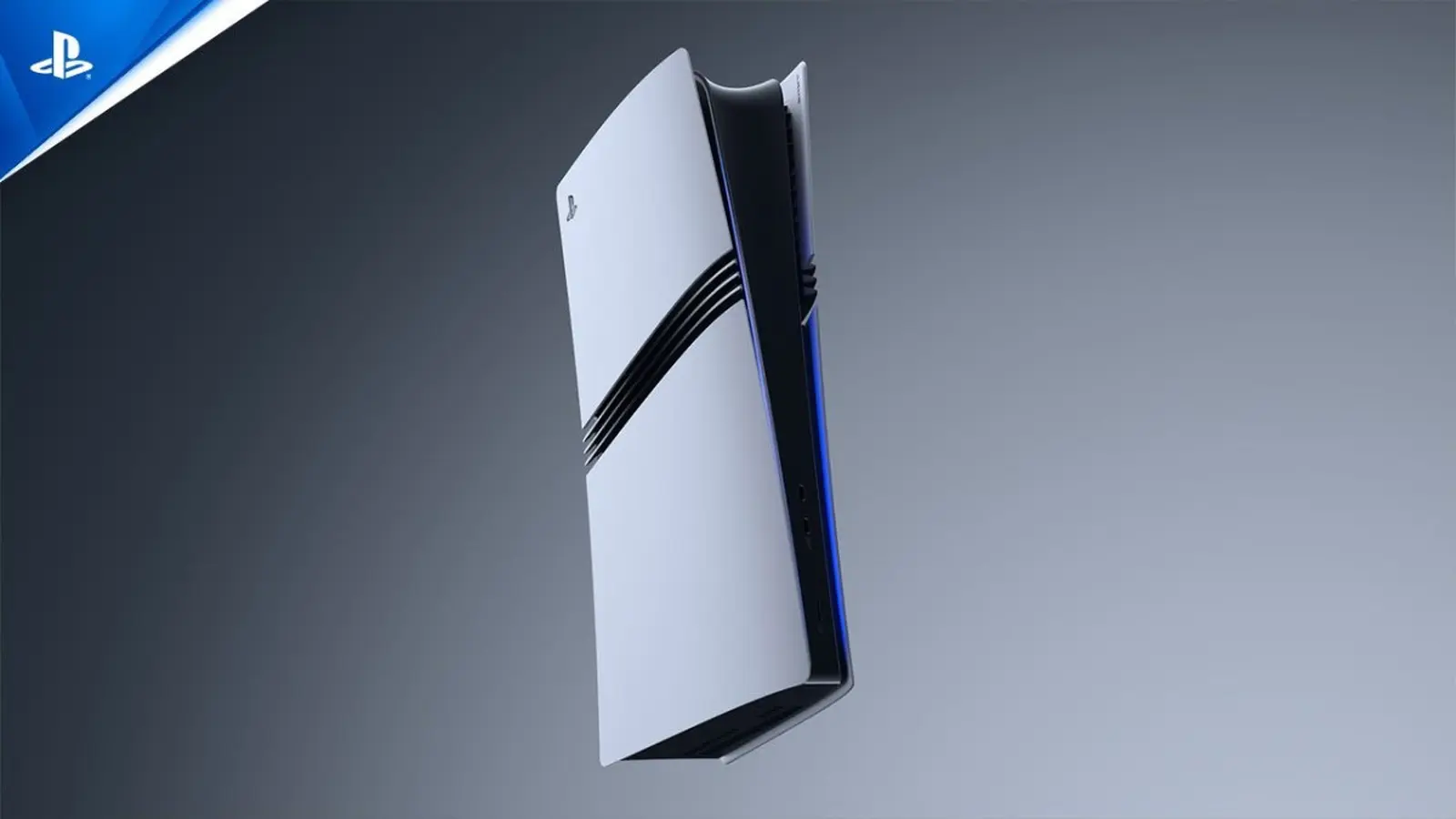
There are stacks of boxed games gathering dust in garages and attics across the world. For many players those plastic cases were more than packaging. They were proof of ownership, a badge, a backup plan. On Monday, Sony announced the next chapter: beginning January 2028, new PlayStation games will be released only in digital form.
That means any title launching after that date will be sold through the PlayStation Store or distributed as store codes by retailers. Physical discs will no longer be produced for new releases on PlayStation platforms. Existing discs and titles published before January 2028 are not affected by this change.
Why Sony says it made the cut
The company frames the move as a response to how people buy games today. More customers are choosing downloads over boxed copies. Production and logistics are costly. Digital sales simplify distribution. Those are valid points. But they are not the whole story.
Publishers have been nudging the market away from discs for years. Sometimes a boxed release arrives incomplete, requiring large day-one downloads. Other times a collector's edition appears while the standard disc is never stocked. Each nudge makes the digital option easier to accept.
There is also a business logic that is harder to like. Digital-only releases eliminate the used-games channel, reduce the pressure on publishers to offer steep retailer discounts, and keep secondhand sales out of circulation. That shifts revenue and control back toward platform owners and developers.
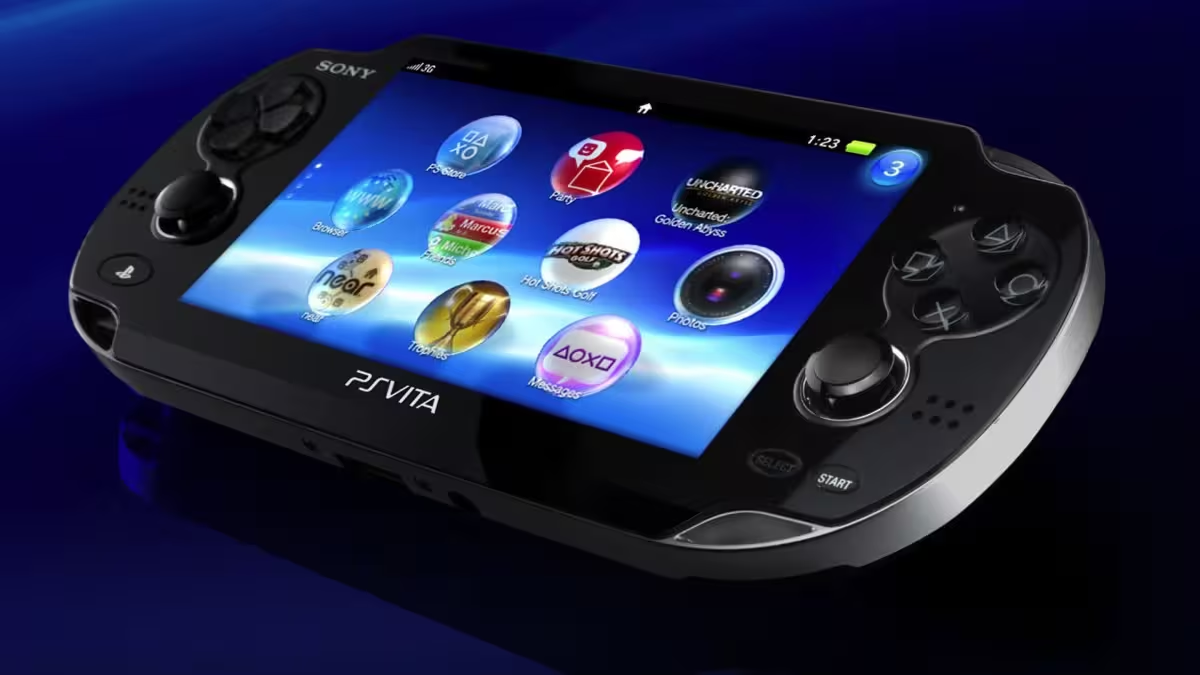
Sony's announcement arrives alongside another move that will make some players nervous: the company is closing the PlayStation Store on older hardware this year. PS3 and PS Vita users will no longer be able to make new purchases on those storefronts, though downloads of previously bought content will be supported for now and Sony has offered only a short-term guarantee of access.
That sequence exposes the risk digital buyers live with. A download requires a storefront. A storefront requires a company to keep it running. When companies wind services down, access can evaporate. You may own a license, but you do not always own the means to redownload or reauthorize it decades later.
The cultural and archival consequences are real. Physical media has preserved movies, music, and games for generations. A disc in a shoebox can outlast corporate decisions and platform shutdowns. Lose the disc and you lose an important insurance policy against vanishing storefronts and broken servers.
Collectors are already planning contingencies. Backups. Offline copies where allowed. Reprints by preservation groups. But legal and technical walls make long-term game preservation a thorny problem. Copyright, encryption, and server-dependent features complicate a simple point: keeping a playable copy for posterity.
And the commercial landscape will change. Retailers who rely on boxed titles will need new revenue models. Pawn shops and used game stores may shrink further. Pricing could become stickier without the regular clearance sales that physical inventory makes possible. For consumers, that may mean fewer bargains and a growing reliance on platform sales calendars for discounts.
Will Microsoft and Nintendo follow? That is the question everyone will ask. Each company has its own supply chain, installed base, and brand strategy. Sony moving first does not guarantee others will fall in line, but it does make the conversation inevitable.
There is another human element here. For many players, handing a friend a disc, swapping games on a weekend, or reselling a finished title are social acts. Digital distribution can be efficient. It can also make the hobby feel lonelier and more corporate.
So what should players do now? Think about priorities. If owning physical copies matters to you, start collecting or preserve what you already have. If convenience and instant access win out, plan to migrate to digital libraries and keep an eye on which services promise long-term access. And press platform holders for clearer preservation policies and stronger consumer guarantees.
Sony's decision signals a turning point. The console era began with cartridges and discs in hand. The next era will be streamed and downloaded. For some that is progress. For others it is the moment the local game shop finally closes its doors.
Source: gsmarena


Comments
mechbyte
Wait, so after 2028 no discs for new PS games? Sounds convenient, but where's the used market, backups, and future access? if that's real, ugh

Leave a Comment