
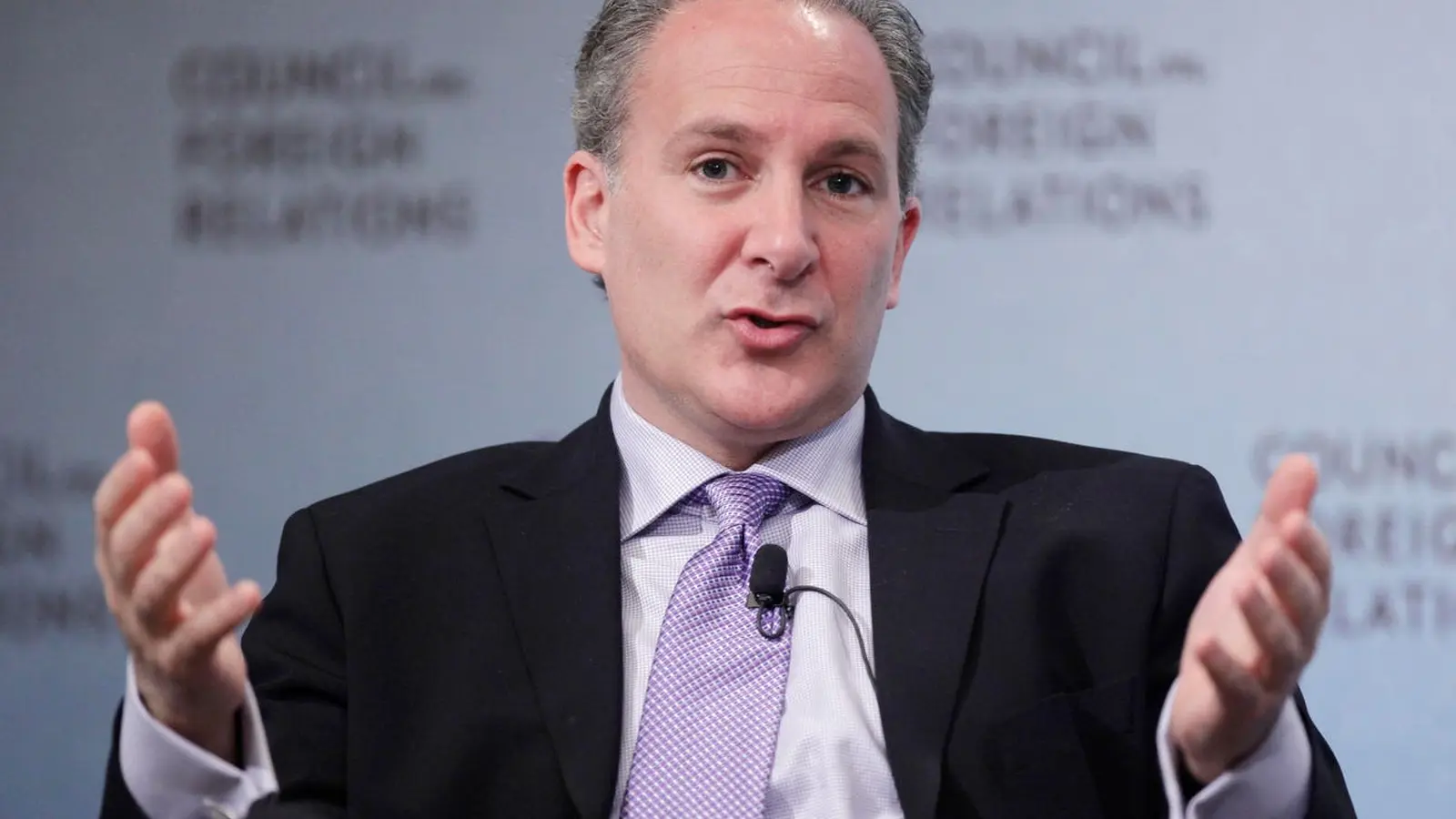
Schiff flags risk: oil rally may undo June CPI gains
Economist and gold advocate Peter Schiff has sounded the alarm that a rebound in Brent crude above $100 per barrel could erase the modest disinflation seen in June and spark a sharp uptick in US inflation in July. Schiff pointed to a roughly 30% climb in oil prices so far in July and warned that a further move to $100 before month-end would represent a dramatic reversal from June's lows, significantly undercutting the relief energy price declines delivered to headline Consumer Price Index (CPI) readings last month.
Why oil matters for headline inflation
June's CPI report from the US Bureau of Labor Statistics showed headline inflation fell 0.4% month-over-month, and the annual rate cooled to 3.5% from 4.2%. Much of that improvement was linked to a steep drop in energy costs: the BLS energy index fell 5.7% in June — the largest monthly decline since April 2020 — while gasoline prices dropped 9.7% for the month. Core CPI, which excludes food and energy, was unchanged for the month and rose 2.6% year-over-year.
But energy remains elevated on a year-over-year basis. The BLS data also showed energy prices were still 15.7% higher than a year earlier and gasoline was up 26.7% year-over-year. That persistent base effect means a renewed surge in crude could quickly reverse June's apparent progress on headline inflation.

Geopolitical shocks push Brent back above $100
Market pressure on oil intensified after Houthi attacks on two Saudi tankers in the Red Sea and a temporary blockade of Saudi-linked shipments through the Bab el-Mandeb Strait. Those disruptions, combined with severely restricted tanker traffic through the Strait of Hormuz, squeezed shipping routes that Saudi exporters have used more frequently. Brent crude jumped about 7% to $100.71 on a recent session — its highest level in nearly two months — while US West Texas Intermediate climbed above $90 for the first time since June.
Analysts have flagged broader supply losses as an escalating risk. Reuters reported Iranian exports have dropped from roughly 2 million barrels per day to nearly zero amid the conflict, and some investment banks, including Goldman Sachs, warned Brent could trade well above $120 if disruptions persist and damage supply infrastructure.
Diplomacy, military action, and shipping risks
Diplomatic talks have not yet stabilised shipping lanes. US officials have said they are open to negotiations, while disputes and limited military action in the region have kept uncertainty high. Traders are closely watching any escalation that could damage tankers, port facilities, or pipeline operations — any of which would magnify supply-side pressure on global oil markets and further elevate fuel costs for consumers.
Implications for the Federal Reserve and markets
Higher energy prices complicate the Federal Reserve’s policy calculus ahead of its July 28–29 meeting. Fed officials have repeatedly said that volatile energy and food components can sway headline CPI readings, and that one softer monthly report does not prove a durable disinflationary trend. Fed Governor Christopher Waller noted he would want to see 'several months' of softer inflation data before being confident that prices are moving sustainably toward the 2% target.
Market pricing ahead of the Fed meeting reflected a majority expectation that policy will stay on hold: traders assigned roughly a 62% probability that the Fed would keep the target range at 3.50%–3.75%, leaving about a 38% chance priced for a quarter-point hike, per the CME FedWatch Tool. Those odds rose markedly after the June CPI print, highlighting how quickly energy-driven inflation dynamics can tilt rate expectations.
Policymakers will decide without July's CPI data in hand — the next monthly CPI release is scheduled for Aug. 12 — meaning the Fed may have to assess risk from oil price shocks with incomplete monthly inflation information.
Market scenarios: what happens if Brent stays above $100?
If Brent remains elevated through the end of July, several outcomes are likely:
- Headline CPI could reaccelerate materially in July, erasing a portion of June's improvement.
- The probability of Fed tightening in coming meetings could increase, putting upward pressure on Treasury yields.
- Risk assets would face volatility as investors weigh a higher-for-longer rate path against growth prospects.
Gold, commodities, and inflation-protected assets could rally as investors seek hedges, while equities and other risk-on positions may come under strain if monetary policy risks rise.
What this means for crypto and digital-asset investors
Cryptocurrency markets are sensitive to macro shocks — and an oil-driven inflation surprise could ripple through crypto, DeFi, and blockchain sectors in several ways.
First, higher headline inflation and the expectation of tighter Fed policy can lift demand for inflation hedges such as Bitcoin, which many retail and institutional investors view as a digital store of value. Bitcoin and gold often see inflows when investors seek to preserve purchasing power, though short-term correlations between crypto and equities can make price action complex.
Second, rising interest-rate expectations tend to increase the discount rate applied to future cash flows, which can pressure risk assets including altcoins and growth-oriented crypto projects. DeFi protocols that rely on leverage or stablecoins pegged to fiat can experience liquidity stress during sudden market moves.
Third, elevated volatility usually drives higher stablecoin and on-chain activity as traders rebalance positions. Crypto exchanges, liquidity pools, and derivatives desks may see spikes in volumes, funding-rate swings, and margin calls.
For institutional players, tighter monetary conditions could also slow asset allocation into speculative exposures, including some crypto funds, while Bitcoin ETFs and spot-market instruments may attract investors looking for inflation protection through regulated vehicles.
Risk management for crypto traders
Investors in crypto should consider:
- Reassessing leverage and margin exposure as rate expectations shift.
- Diversifying across assets with different risk-return profiles, including stablecoins and inflation hedges.
- Monitoring on-chain liquidity and derivatives funding rates to anticipate stress in centralized and decentralized venues.
Bottom line
Peter Schiff’s warning underscores how sensitive the inflation outlook remains to energy prices. A sustained move in Brent above $100 could undermine June’s CPI gains and force the Fed and markets to recalibrate quickly. For crypto investors, the episode highlights the dual forces at play: the potential for Bitcoin and other inflation-sensitive assets to draw demand, and the risk that tighter policy and higher rates will increase volatility and dampen risk appetite across digital-asset markets.

“I cover automotive innovation, electric vehicles, and the future of mobility — where technology meets sustainability.”

Discussion
Leave a Comment