
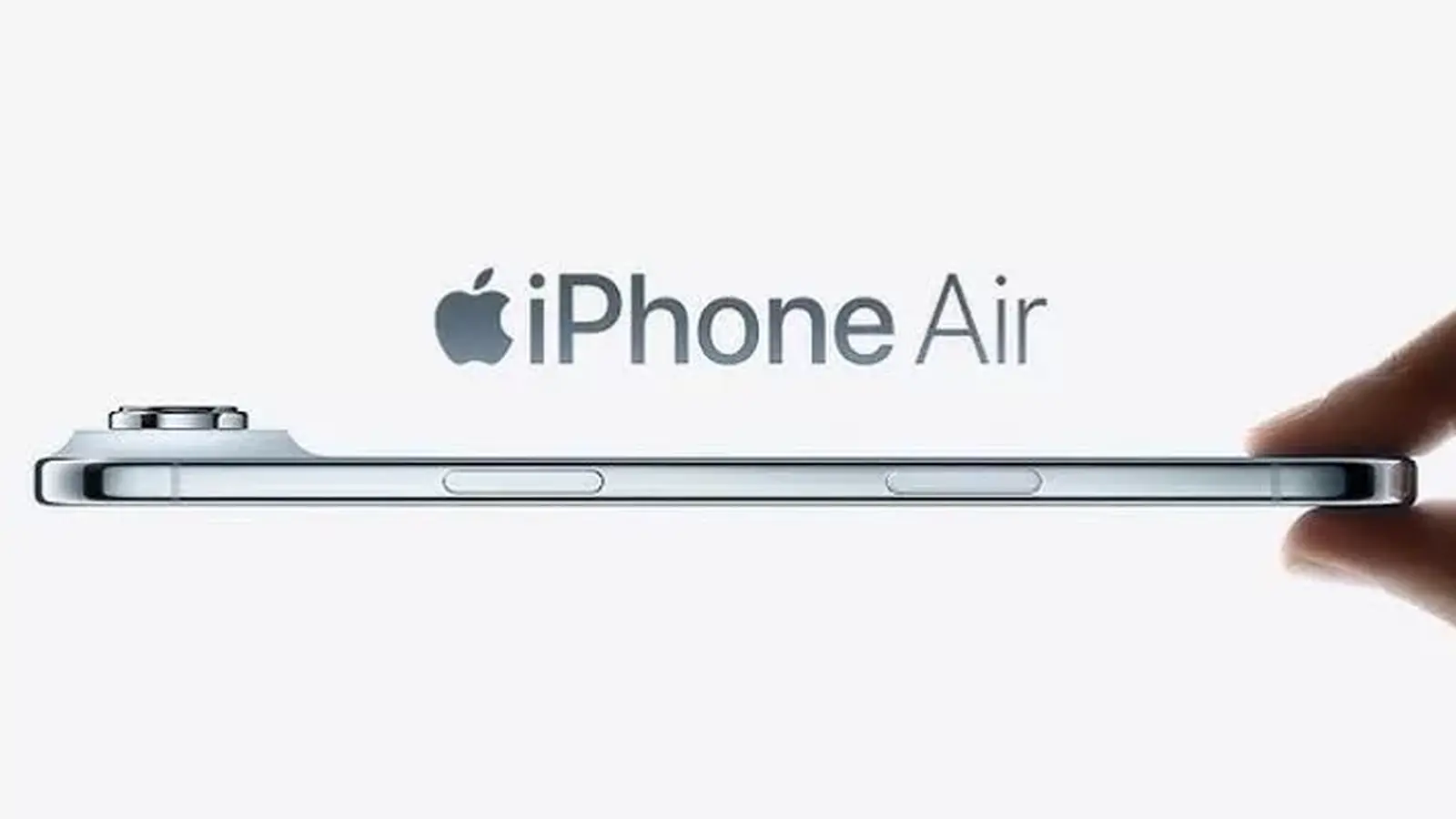
Apple is reportedly putting the second-generation iPhone Air on hold after weak sales of the current model. Production cuts and supplier pullbacks suggest the company is rethinking its ultra-thin phone strategy as it reshuffles the 2026–2027 iPhone roadmap.
Production stalls: Foxconn and Luxshare step back
According to a new report from The Information, Apple has significantly scaled back production of the existing iPhone Air. Foxconn has dismantled almost all production lines for the device and is expected to halt manufacturing by the end of this month. Luxshare, another Apple supplier, reportedly ended its work on the model at the end of October. These moves match earlier reports from Nikkei Asia and industry analyst Ming-Chi Kuo.
What was planned — and what’s now uncertain
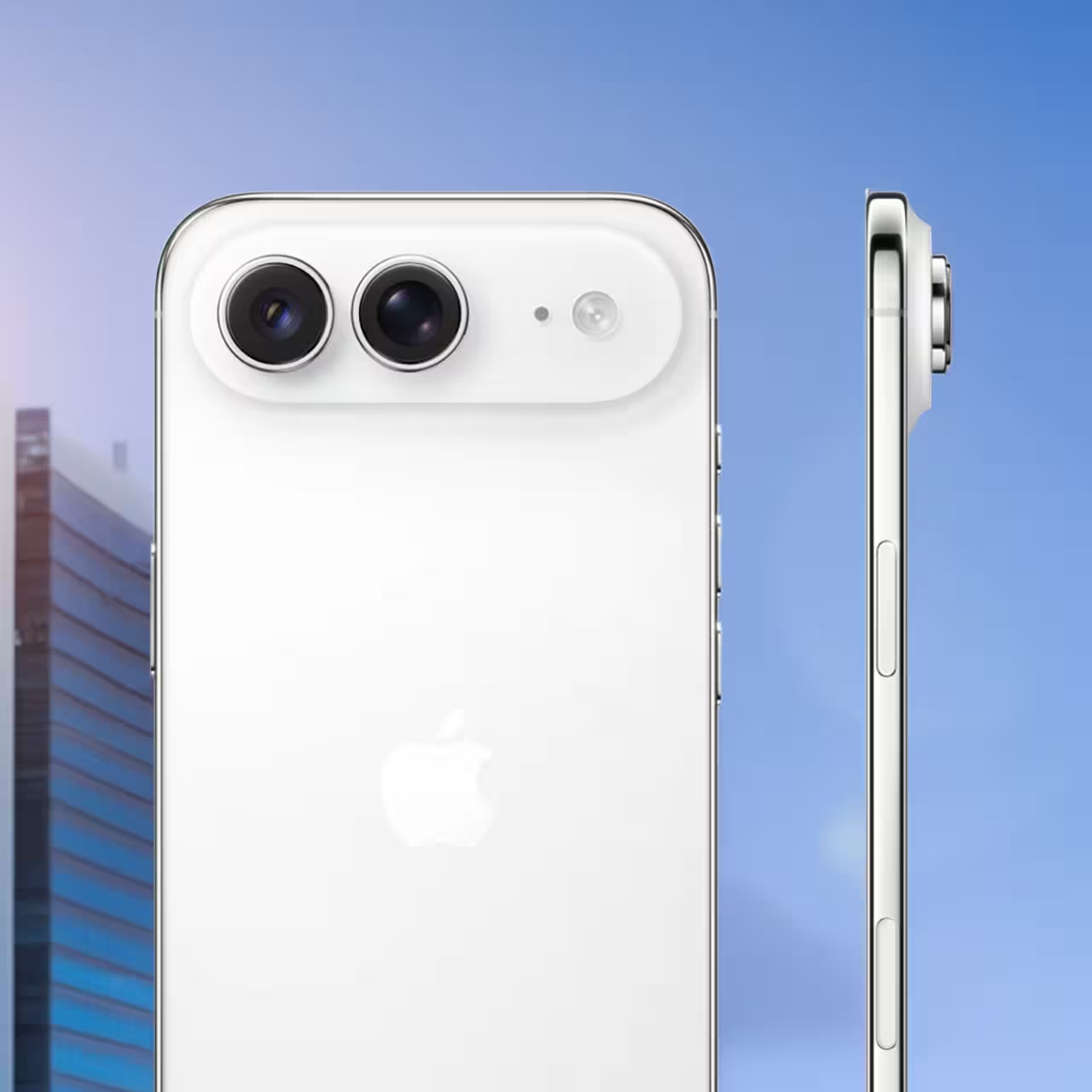
Apple originally planned a sleeker, lighter iPhone Air 2 with a bigger battery and a vapor-chamber cooling system similar to the iPhone 17 Pro. Rumors also pointed to a dual 48-megapixel camera setup. With the project now temporarily shelved, Apple’s fall 2026 lineup will likely center on the iPhone 18 Pro and the company’s first foldable iPhone, while the standard iPhone 18 and an iPhone 18E are pushed to spring 2027.
Is a spring 2027 launch still possible?
One source quoted by The Information says Apple could still unveil the next iPhone Air alongside the iPhone 18 models in spring 2027. That scenario would give Apple time to rework hardware and pricing, but nothing is finalized.
Why demand cooled: price and hardware concerns
Analysts point to several reasons the iPhone Air underperformed: a $999 starting price that undercut its value proposition, a single-lens camera when competitors and other iPhone lines offer multi-lens setups, and a smaller battery than many buyers expect. While reviewers praised the Air’s thin, attractive design, those strengths weren’t enough to overcome practical compromises for many consumers.
What this signals about Apple’s product strategy
Apple’s move to pause the iPhone Air 2 suggests a shift in focus. If the company limits resources for ultra-thin models, it may prioritize higher-margin Pro devices and next-gen form factors like foldables. That would align with broader industry trends and Apple’s push to innovate beyond incremental upgrades.
For buyers and investors, the takeaway is clear: Apple is willing to slow or cancel projects that don’t meet early demand expectations, even for headline products. The next year will show whether the iPhone Air returns in a revised form or fades as Apple doubles down on Pro and foldable models.


“I love exploring gadgets, apps, and trends that redefine how we connect, work, and play in a digital world.”

Discussion
Leave a Comment
Comments
No comments yet. Be the first.