
5 Minutes
BAFTA says no — despite a global smash
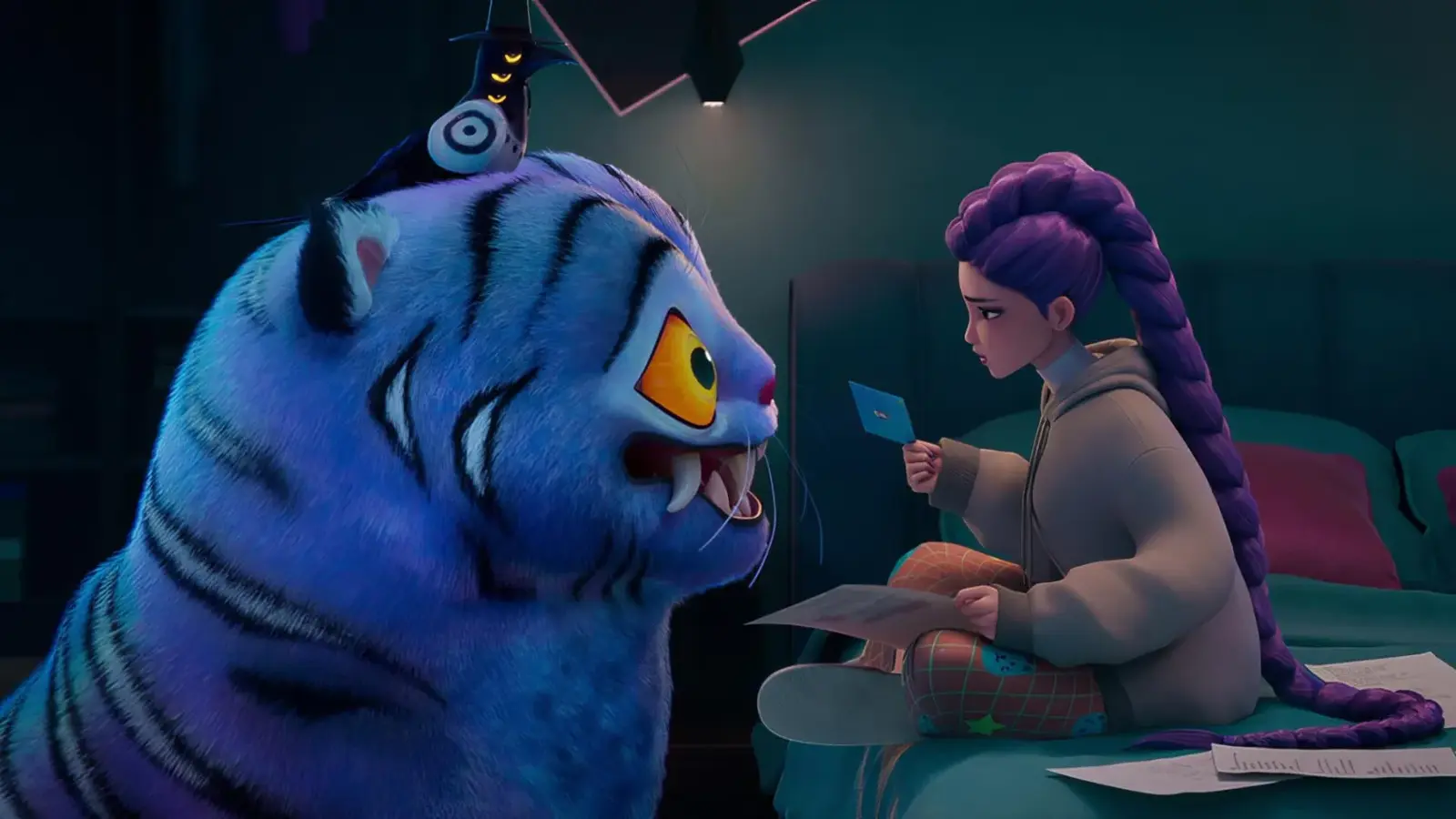
KPop Demon Hunters has become a cultural phenomenon: a Netflix and Sony Animation co-production that fused K-pop spectacle with binge-worthy animation and smashed streaming records. Yet in an unexpected turn, the British Academy of Film and Television Arts has ruled the film ineligible for BAFTA film awards. Deadline first reported that BAFTA rejected Netflix’s request for an exception after reviewing the movie’s UK release pattern.
Why BAFTA declined the film
BAFTA’s rules require a qualifying theatrical release in the UK. While the academy does allow for exceptional consideration when films are released through nontraditional windows or event screenings, the committee concluded that KPop Demon Hunters’ UK distribution didn’t meet the eligibility criteria. One key requirement — at least 10 commercial screenings over seven consecutive days — was not satisfied. Netflix had leaned on later, limited runs in UK cinemas (264 screens in late August and another 528 during an October Halloween weekend stretch) to argue eligibility, but the academy judged the timeline and pattern insufficient.
That decision highlights a growing tension in the awards world between traditional theatrical standards and streaming-era distribution strategies. Interestingly, the film remains qualified for Academy Awards consideration in the United States because it met the Oscars’ theatrical rules there.
Record-breaking success beyond awards
Whatever the BAFTA outcome, KPop Demon Hunters’ commercial and cultural achievements are hard to ignore. Netflix reported the film became the platform’s most-watched movie ever, with more than 541 million hours viewed worldwide. It also pulled in roughly $25 million at the box office, secured five Grammy nominations, and saw its soundtrack earn platinum certification. Merchandising deals with Mattel and Hasbro underlined how the property has grown into a global brand, from toys to collector items.
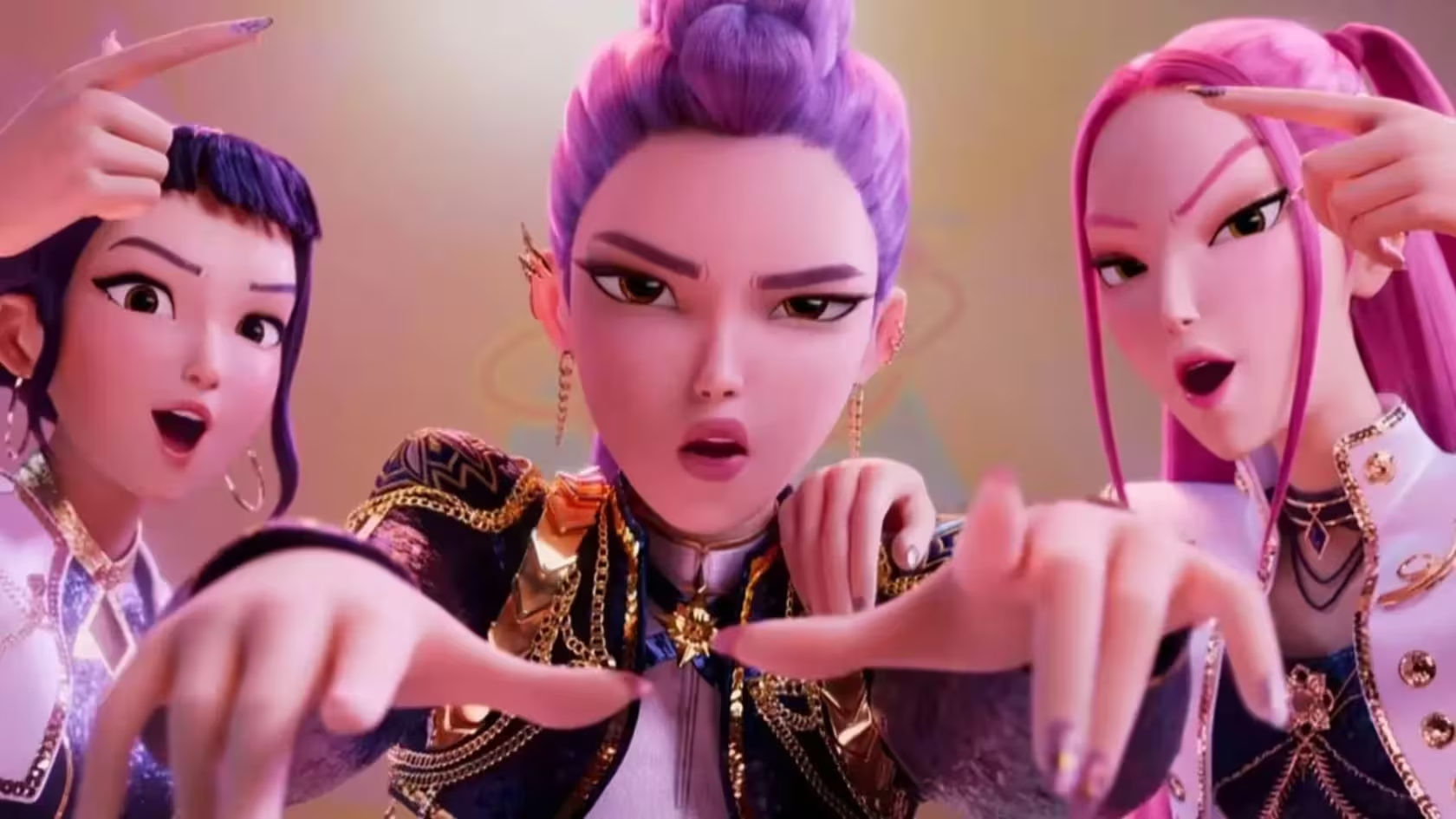
Directed by Maggie Kang and Chris Appelhans, the movie follows three young members of Huntr/x — Romi, Mira, and Zoey — who are simultaneously K-pop idols and demon hunters. Their antagonist, played by Lee Byung-hun, disguises himself as a boyband intent on stealing fans’ souls. The film blends high-energy choreography, pop production design, and a darker coming-of-age narrative that pits fame against friendship and the supernatural.
How it fits in animation and pop culture trends
KPop Demon Hunters sits at the intersection of several trends: the globalization of K-pop, the rising prestige of adult-leaning animated features, and streaming platforms’ power to create instant tentpole brands. In tone and ambition it recalls the kinetic visual style of Spider-Man: Into the Spider-Verse while leaning more heavily on pop music marketing and transmedia merchandising — a strategy increasingly common for streaming-originated hits.
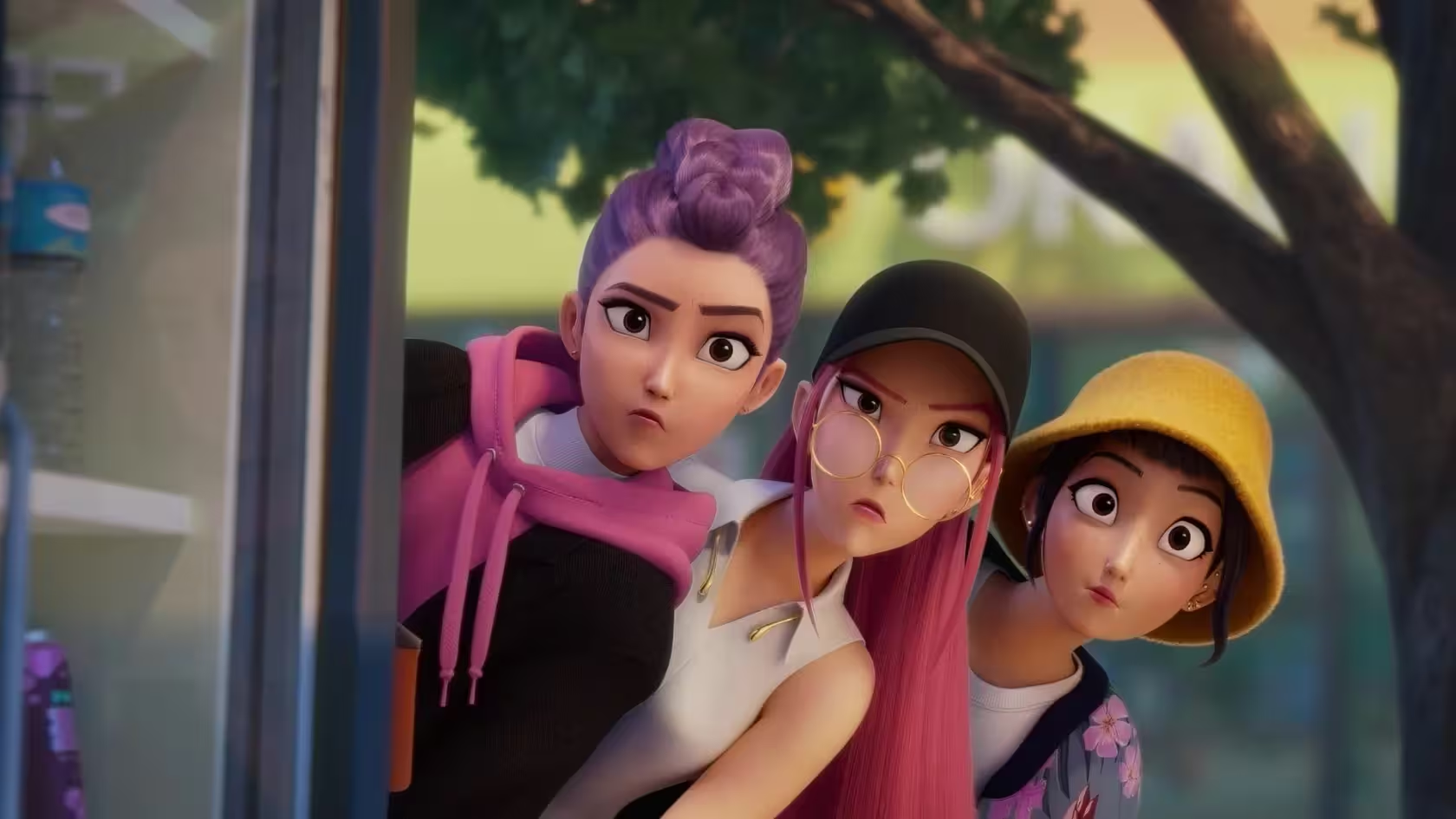
Fans and critics praised the film’s visual flair and soundtrack even as some reviewers noted its crowded plotting. Behind the scenes, the production reportedly consulted K-pop choreographers and stylists to nail the authenticity of stage performances, and animators leaned into neon, stage lighting, and couture costume design to sell both the spectacle and the stakes.
"This moment exposes a larger conversation about how awards bodies adapt to changing distribution models," says film critic Anna Kovacs. "BAFTA’s ruling is defensible by the letter of its rules, but culturally it raises questions about what theatrical qualification should mean in an age of global streaming events."
Looking ahead
Netflix and Sony are already said to be developing a sequel aimed for 2029, though whether it will follow a theatrical-first model remains unclear. If the follow-up wants awards recognition in the UK, it will likely need to plan a different release strategy.
For now, KPop Demon Hunters stands as a case study in how a streaming hit can dominate popular culture and yet still trip over legacy awards rules — an emblem of the industry’s ongoing negotiation between new business models and old institutions.


Comments
Marius
Is BAFTA being picky or is Netflix gaming the system? curious how Oscars let it slide. movie still slaps tho, total vibe
atomwave
wow BAFTA really said no?? feels wild, rules or not that sucks for the fans. the soundtrack alone shoulda gotten bigger stage... weird.

Leave a Comment