
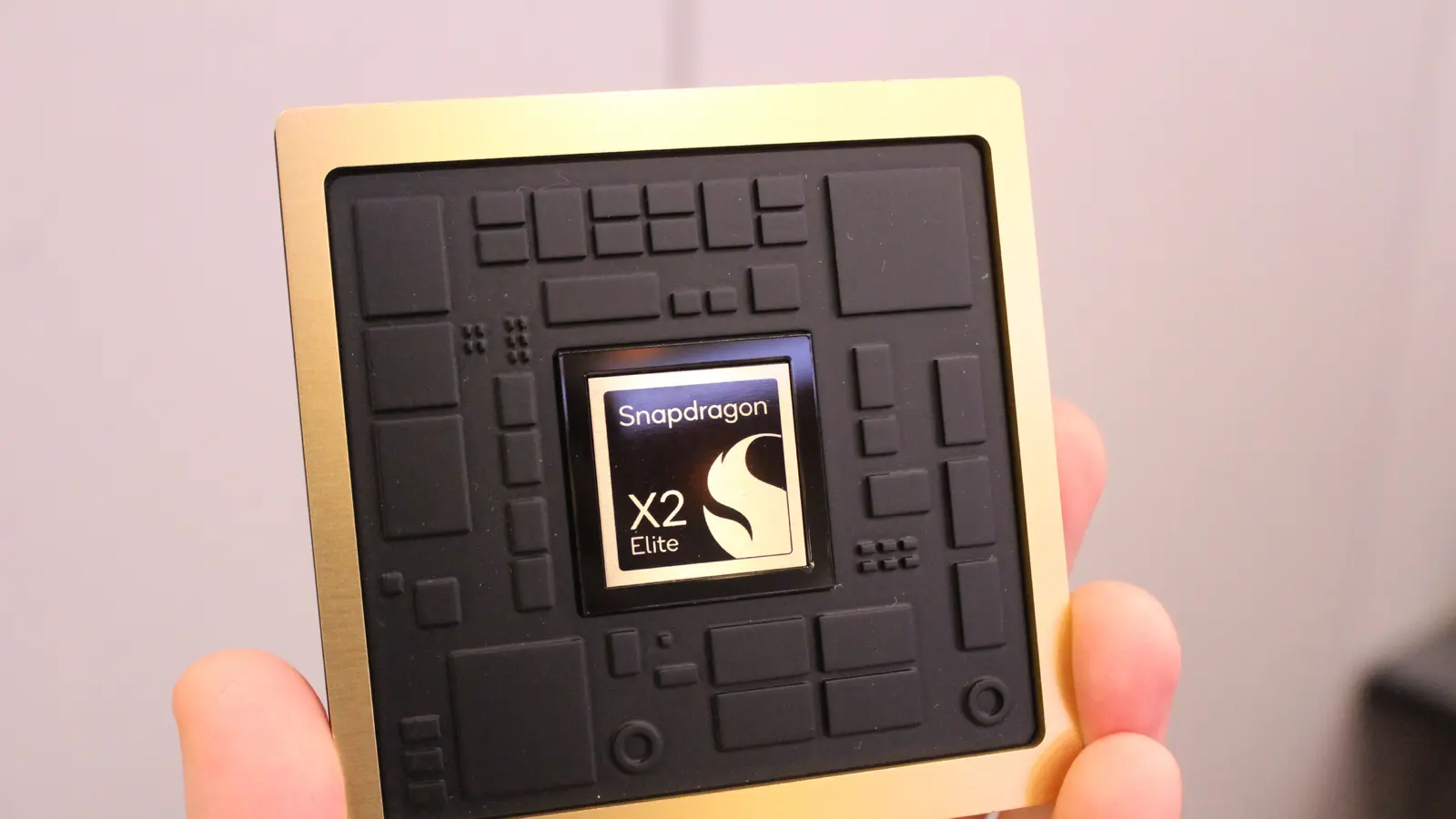
Qualcomm is preparing to expand its Snapdragon X line beyond Windows, with moves that hint at Android-powered laptops arriving sooner than many expected. Early code references and internal testing suggest the company is working to make its high-end X series compatible with Android 16, opening the door to a new class of Android desktop experiences.
From Windows to Android: What Qualcomm is testing
The Snapdragon X2 family, revealed in September, was initially touted as a powerhouse for Windows laptops starting in spring 2026. Now, leaks and repository commits indicate Qualcomm has begun adding Android 16 support for the X Elite and X chips. In short: Android on Snapdragon X silicon looks like it could be real.
Why this could matter for the laptop market
Imagine Android optimized for larger screens, laptop keyboards, and desktop workflows — combined with the battery life and integrated connectivity Snapdragon chips are known for. With Google moving toward a tighter integration of Android and ChromeOS, a standardized Android build for clamshells and convertibles could finally give manufacturers an alternative to traditional x86 Windows or hybrid ChromeOS devices.
Early signs and what to watch for
- Code-level hints: Reports show private Android 16 code references linked to Snapdragon X models, signaling active development rather than a quick compatibility patch.
- Timeline overlap: Qualcomm still targets Windows devices with Snapdragon X2 in spring 2026, so Android laptops could appear around the same timeframe or follow shortly after.
- Software is everything: Qualcomm can add low-level support fairly quickly, but the user experience depends on Google and OEMs nailing UI adaptations for desktop-style Android.
Challenges ahead — and opportunities
There are obvious hurdles. Android was built for touch-first phones and tablets, so a laptop-grade experience requires careful work on keyboard/mouse input, windowing, power management, and app behavior at larger resolutions. Get those right and manufacturers could offer devices with the long battery life and always-connected features that Snapdragon silicon typically delivers.
On the flip side, a successful Android laptop platform could energize a market that some say has grown stagnant, offering consumers alternatives in price, performance, and battery life. It could also spur developers to better optimize apps for desktop Android, creating a healthier ecosystem overall.
What to expect next
Keep an eye on official announcements from Qualcomm and Google, and on early OEM previews. If Qualcomm continues to merge Android support into its X series codebase, we may see developer previews or reference designs before retail products land. For now, the change is a promising sign that mobile silicon makers and OS developers are exploring new form factors — and that laptops might get a brighter, more diverse future.
Curious about performance claims or battery expectations? Expect the first Android X devices to emphasize connectivity and longevity, while the software side will determine whether Android on laptops becomes a novelty or a real competitor.

“I love exploring gadgets, apps, and trends that redefine how we connect, work, and play in a digital world.”

Discussion
Leave a Comment