
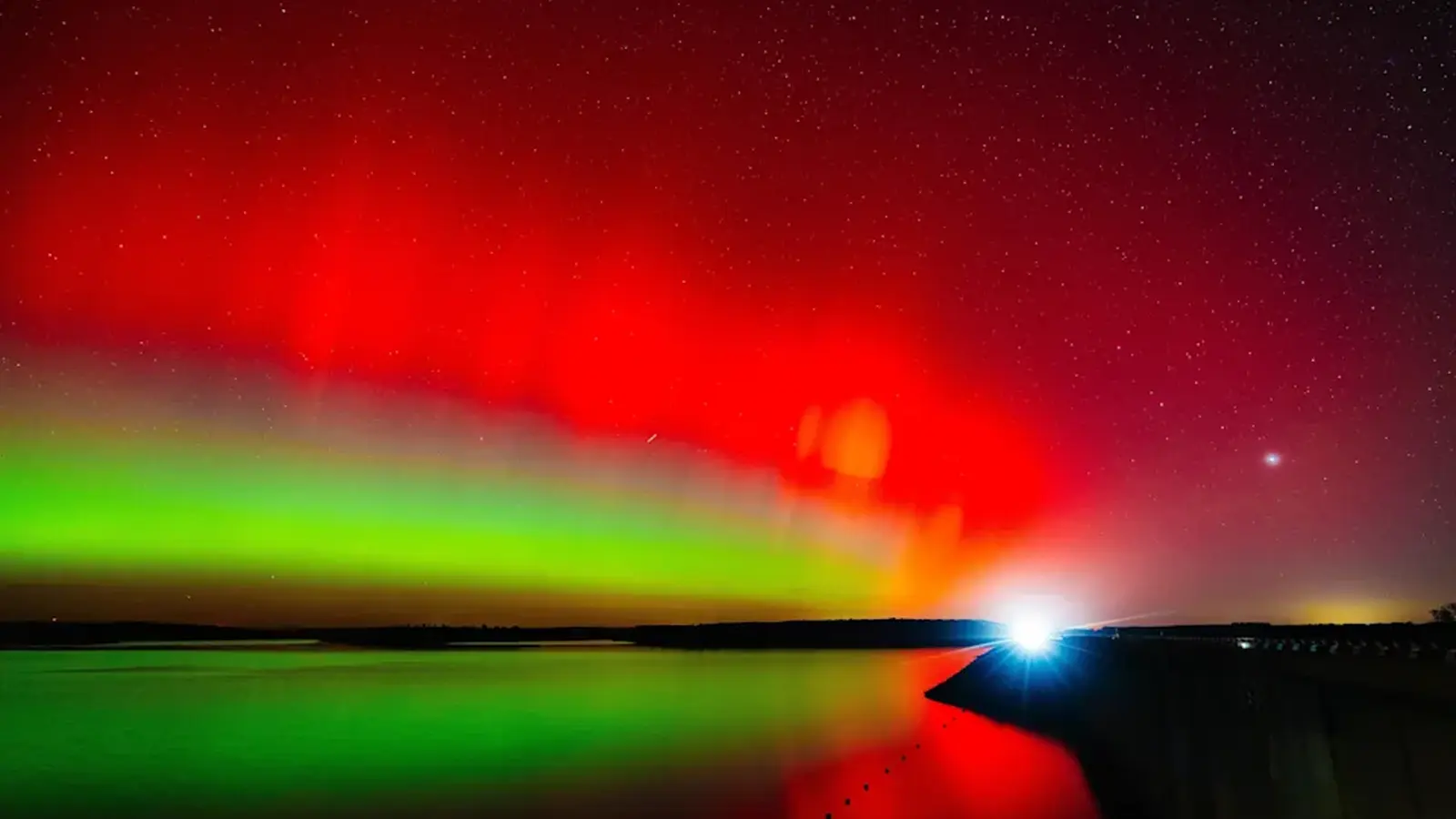
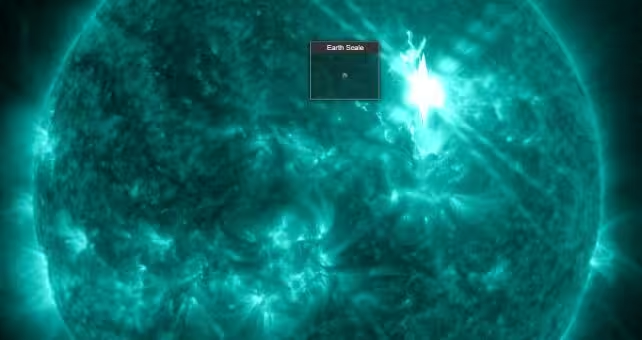
A series of three coronal mass ejections (CMEs) is converging on Earth, and models suggest they will collide with one another as they arrive. When faster CMEs overtake earlier, slower ones, they merge into so-called "cannibal" CMEs — combined eruptions that can amplify geomagnetic impacts and produce vivid auroras.
Why these CMEs behave like cosmic "cannibals"
Not all solar eruptions are created equal. A CME launched later can travel faster than a CME that erupted earlier. If the faster CME catches up, it interacts, compresses, and merges with the slower plasma front. The merged structure carries more magnetic energy and can drive a stronger geomagnetic storm when it hits Earth.
How this links to the May 2024 G5 event
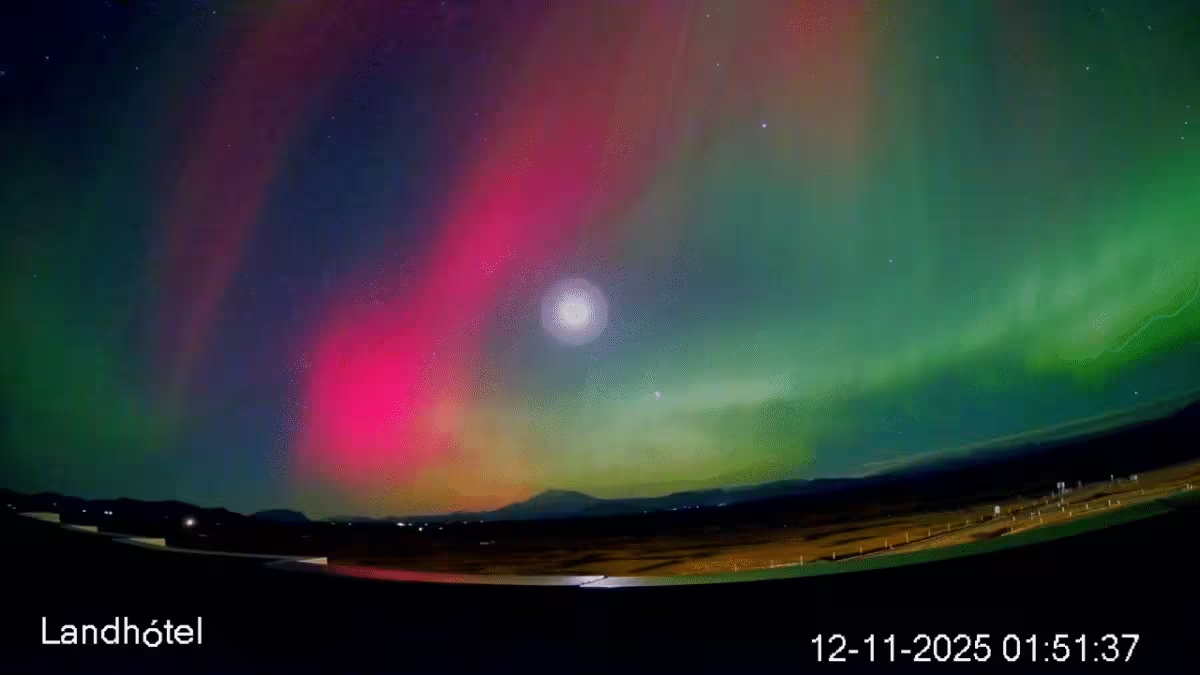
The spectacular G5-level geomagnetic storm of May 2024 was caused by a triple cannibal CME. That event showed how merged CMEs can dramatically intensify space weather effects. Current forecasts indicate this new triplet could catch up to each other right near Earth's orbit, placing us squarely in the path of a potentially powerful storm.
What to expect: auroras, timing, and safety
If the models are correct, nights following the arrival could light up with aurora borealis or australis visible much farther from the poles than usual. This is likely to be a dazzling, largely non-hazardous display for most people. That said, strong geomagnetic storms can affect satellites, radio communications, and power grids in extreme cases — agencies will monitor conditions closely.
- Watch for official alerts from space weather centers such as NOAA and regional observatories.
- Photographers: prepare long exposures and warm clothing for nighttime sky watching.
- Everyone: enjoy the show safely — auroras are best observed away from city lights.
Stay warm, stay safe, and if the skies clear, get outside and enjoy one of nature's grandest light shows.

“The cosmos has always fascinated me. I write about space missions, astronomy, and the technologies pushing humanity beyond Earth.”

Discussion
Leave a Comment