
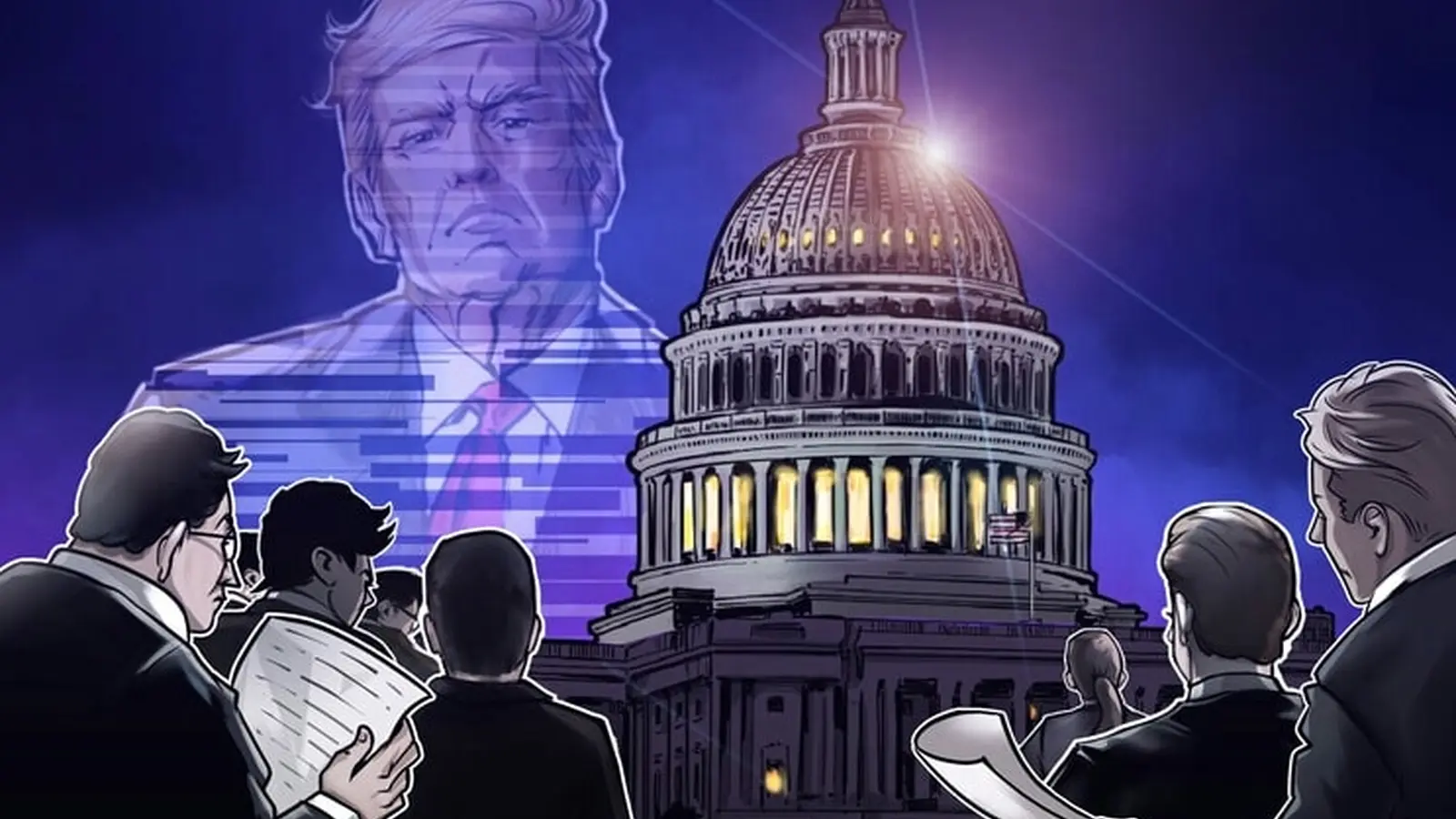
US government reopens after record 43-day shutdown
US President Donald Trump has signed a funding bill that officially ends the record 43-day government shutdown and restores federal operations. The legislation cleared the Senate earlier in the week and passed the House before the president added his signature, enabling agencies to resume full activity and providing lawmakers more time to negotiate broad budget agreements into 2026.
Healthcare funding was a key sticking point during negotiations, with Democrats pushing for increased support and Republicans seeking concessions in other areas. After signing the bill, the president signaled a willingness to work across the aisle to address outstanding healthcare issues and refine funding priorities.
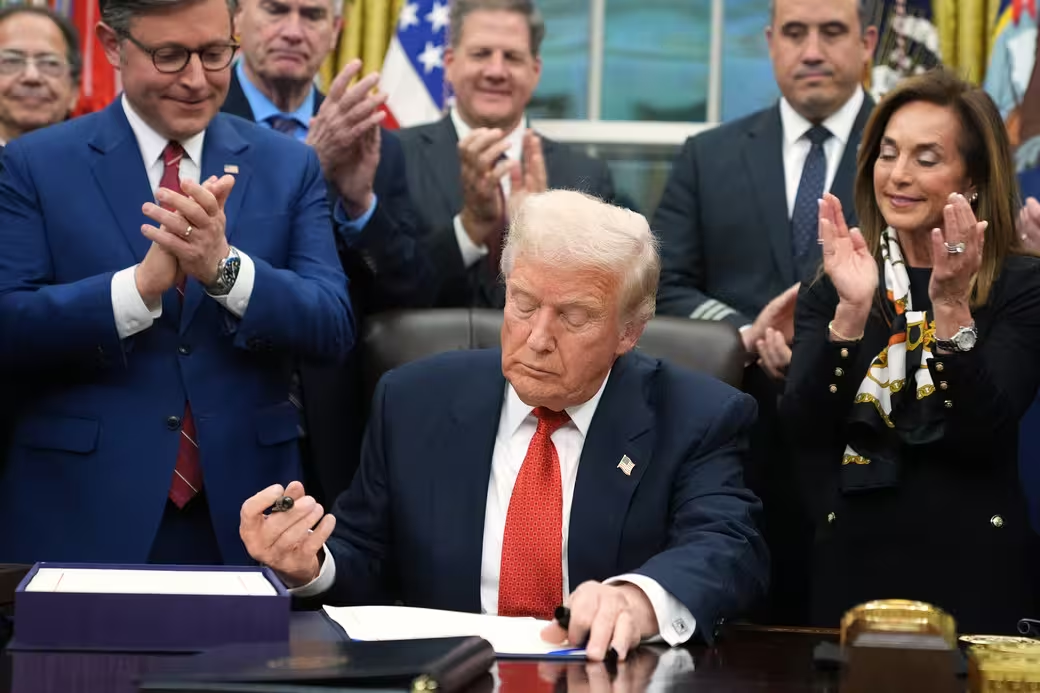
Trump signs the bill to end government shutdown
What the bill covers and the timeline
Short-term funding and next steps
The passed bill provides funding for federal operations through Jan. 30 and buys time for a longer-term budget deal. It effectively avoids immediate disruptions to federal services, payrolls and agency functions, while setting a deadline for lawmakers to finalize appropriations for the remainder of the fiscal year.
Implications for crypto regulation and markets
Regulatory teams return to work
The reopening is especially significant for cryptocurrency oversight. Staff at the Securities and Exchange Commission (SEC) and the Commodity Futures Trading Commission (CFTC) have resumed full operations, allowing regulators to pick up stalled reviews and public consultations. Crypto ETF issuers, which have been awaiting SEC decisions on multiple spot-crypto exchange-traded fund applications, are now expecting timelines to move forward.
CFTC leadership and Treasury reviews
The CFTC has already scheduled a confirmation hearing on Nov. 19 for Mike Selig, the president's nominee to lead the agency, signaling momentum for agency leadership decisions. The Treasury Department will also be able to process and analyze public commentary on the stablecoin-focused GENIUS Act, which collected feedback between early October and early November.
Market reaction and outlook
Despite the operational restart and regulatory clarity that may follow, crypto markets responded mutedly to the end of the shutdown. Bitcoin and major altcoins showed minimal price movement immediately after the bill was signed. Historically, however, the resumption of normal government function has sometimes coincided with stronger market rallies once regulatory and macro uncertainties clear.
What to watch
Key catalysts for crypto investors
Traders and investors should monitor several catalysts in the coming weeks: SEC announcements on spot crypto ETF approvals, the CFTC confirmation process affecting derivatives oversight, Treasury actions on stablecoin legislation like the GENIUS Act, and any new bipartisan talks on healthcare funding that could influence broader market sentiment. Continued regulatory engagement by the SEC and CFTC could accelerate approvals and clarify compliance expectations for exchanges, issuers and DeFi projects operating within the US.
With agencies back at work and deadlines set by the temporary funding bill, the crypto sector can expect a renewed focus on regulatory milestones that will shape ETF approvals, stablecoin rules and the next phase of US blockchain policy.

“I cover automotive innovation, electric vehicles, and the future of mobility — where technology meets sustainability.”

Discussion
Leave a Comment