
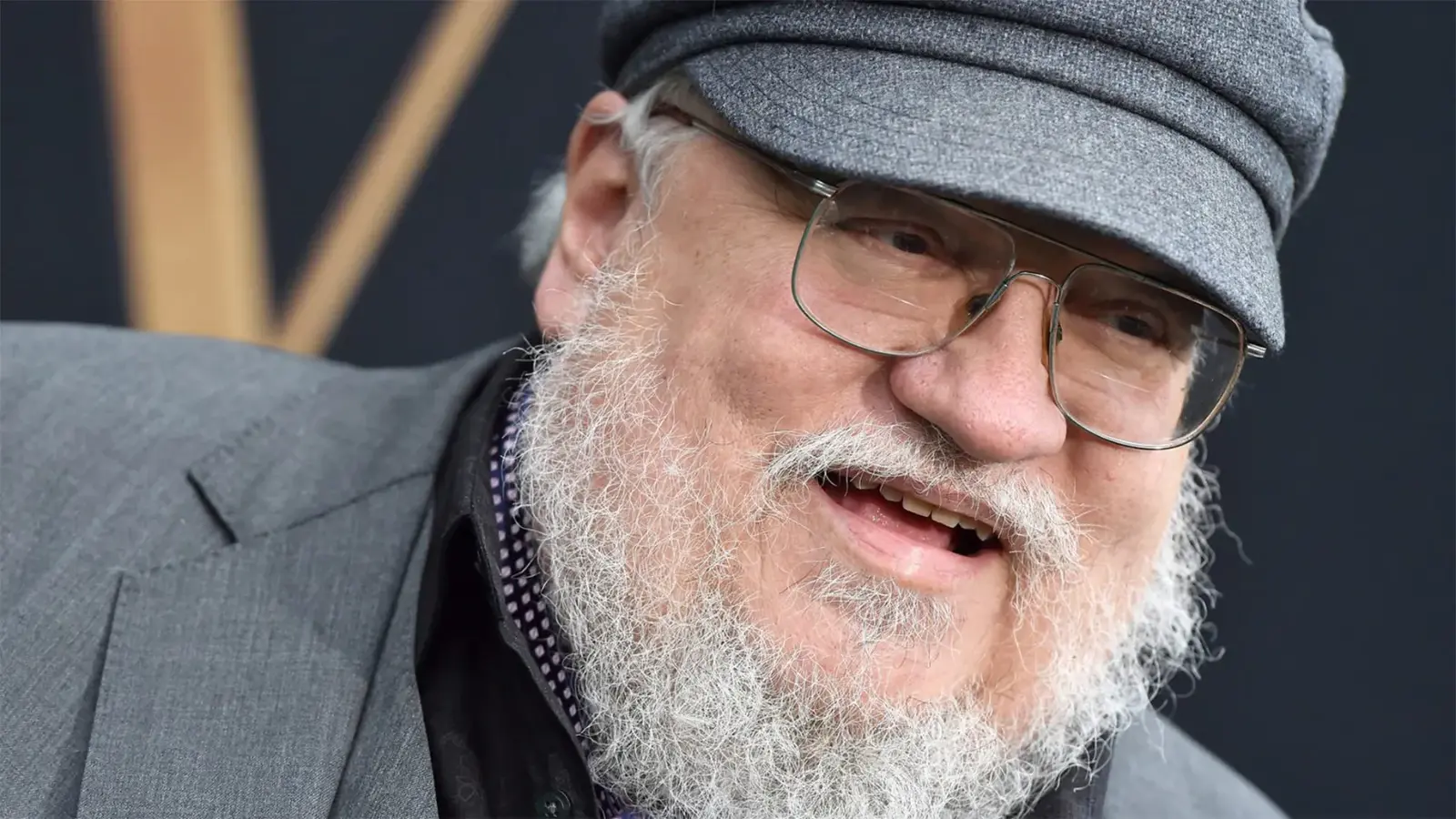
Official response to the AI art controversy
When Penguin Random House released the special 20th-anniversary illustrated edition of A Feast for Crows, fans expected lavish, handcrafted artwork that honored George R.R. Martin’s sprawling world. Instead, online communities quickly turned suspicious. Readers pointed out odd anatomical quirks, repeating character models and other visual glitches in the plates, sparking accusations that some images were generated by AI.
Fevre River Studio — the creative hub that handles licensing and artistic oversight for Martin’s A Song of Ice and Fire — moved to quell the uproar. Raya Golden, the studio’s head of art and licensing development, published a detailed statement on Martin’s personal blog, Not a Blog. Golden reiterated she signs off on every piece of art tied to the novels and said the commissioned artist denied use of any generative AI tools. While the artist acknowledged using digital tools to finish pieces, Golden emphasized that no AI program was involved and that the studio will never knowingly work with artists who rely on image-generating AI.
Why some readers remain unconvinced
Skepticism hasn’t died down. In the age of high-resolution image manipulation and deep learning, distinguishing between human digital painting and AI output can be difficult — especially to untrained eyes looking for inconsistencies. Fans compared the illustrated edition to earlier, more traditional art for the series and noted deviations in anatomy, repeating facial structures and texture artifacts. Those details fed a wider debate about authenticity, creative labor and what collectors should expect from a premium release.
It’s worth noting that controversies like this are not unique to fantasy publishing. The film and TV world has wrestled with similar questions: when are digital assists legitimate enhancements and when do they displace human craft? From concept art in blockbusters to promotional posters for streaming shows, studios are increasingly using digital toolchains that mix handwork and software.
Context: AI, the publishing industry and creative trust
The A Feast for Crows episode lands amid a broader industry reckoning. AI image generation has ramped up in quality and accessibility, prompting publishers, galleries and studios to set policies. Some houses have embraced AI as a tool for mock-ups or ideation; others have banned it outright for final art. For franchise owners like Martin’s studio, reputation and fidelity to a fanbase are paramount — which explains the firm stance Golden signed off on.
This debate also echoes concerns from the film world: how digital doubles, AI-assisted VFX and voice-cloning affect credit, compensation and authenticity. Fans of long-running franchises are particularly protective because visual identity matters: a familiar face, costume, or cover illustration can shape how readers imagine a character long before any screen adaptation.
Fan reaction and community scrutiny
Social media and fan forums played a central role in escalating this controversy. Detailed frame-by-frame inspections, side-by-side comparisons with earlier artwork and thread-long dissections of brushwork turned passionate readers into amateur art analysts overnight. Some called for third-party verification or independent expert reviews; others demanded transparency from publishers about the production pipeline for illustrated editions.
"As a cinema historian who follows visual culture, this isn't just about one book cover — it's about trust in how franchises manage their visual legacy," says cinema historian Marko Jensen. "Publishers and studios must be transparent about techniques used in production. Fans invest emotionally and financially, and that relationship depends on clear artistic accountability."
What this means for collectors and creators
For collectors, the controversy is a reminder to look for provenance: artist statements, production notes and publisher assurances matter. Creators working in publishing and concept art should expect clearer guidelines from clients about acceptable methods, including whether AI-assisted processes are allowed for final deliverables.
Fevre River’s unequivocal policy — no collaboration with artists who use image-generating AI — is one response. Others in the industry may take a middle path: permitting AI in ideation but banning it from final, sold artworks unless explicitly disclosed.
Whether the illustrated Feast for Crows edition ultimately stands as a misread of digital technique or a legitimate case of AI misuse, the incident underscores a larger cultural conversation. At stake is not only how a beloved fantasy world is pictured, but how we define authorship, craft and authenticity in a digital age.
A final note: the studio’s statement may calm some fans, but the conversation about AI and art is only beginning. Expect more scrutiny, clearer policies and, inevitably, more debates as technology and creative practice continue to converge.

"I’m Layla. Series watcher, story-lover, fan of movie. If it’s worth your screen time, I’ll let you know!"

Discussion
Leave a Comment