
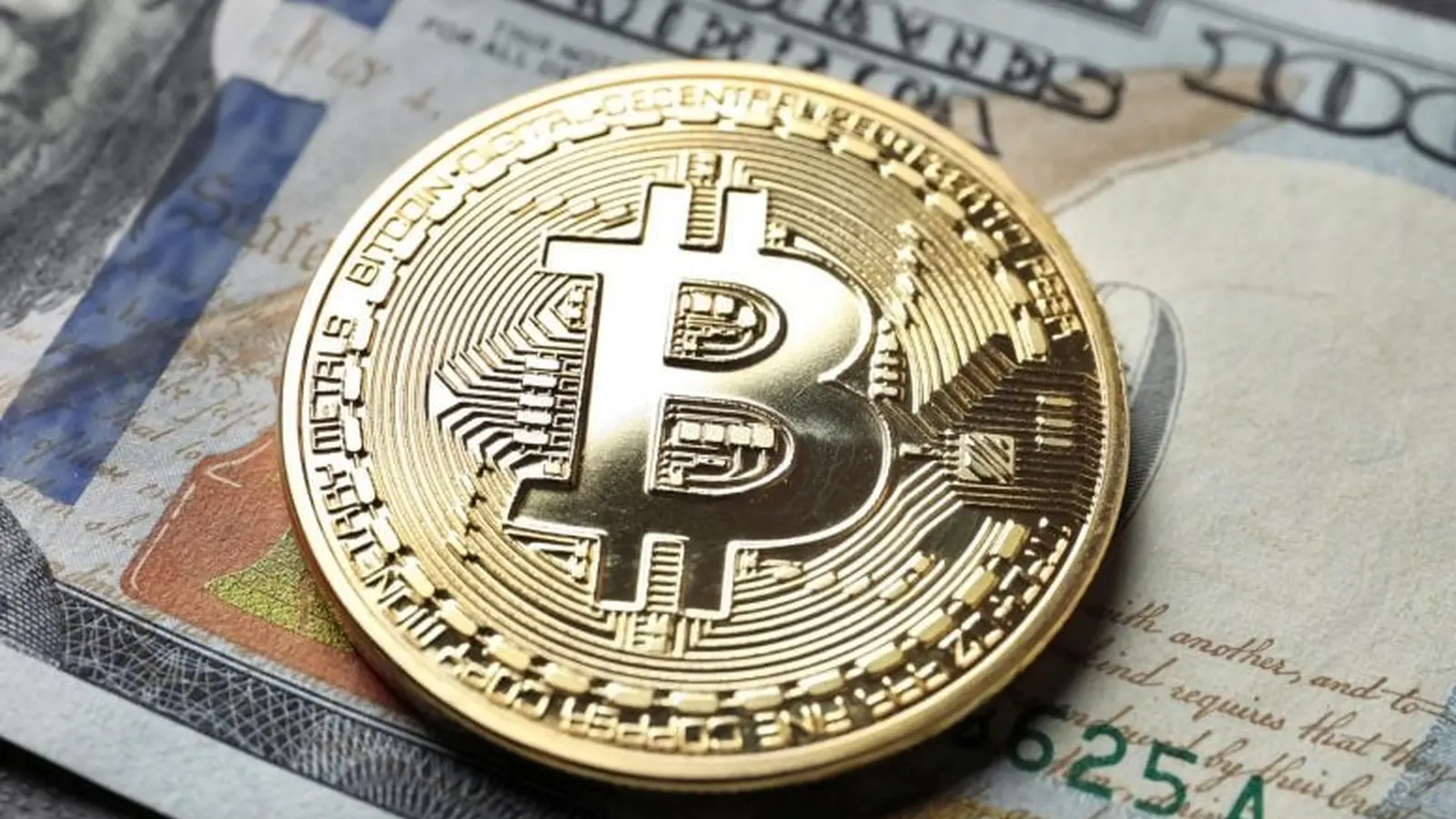
Executive Yuan and central bank to study Bitcoin for reserves
Taiwan’s Executive Yuan and central bank have agreed to begin a formal study into adding Bitcoin (BTC) to the country’s national strategic reserves, a move announced by legislator Dr. Ko Ju-chun. If implemented, Taiwan could become one of the first nations in Southeast Asia to hold BTC as part of sovereign reserve assets.
What the plan includes
Dr. Ko said the government will draft BTC-friendly regulations within the next six months and launch a pilot BTC treasury program. The initial pilot will start with an inventory of seized Bitcoin that prosecutors currently hold, assets that were reported at roughly $146 million in 2024 and are now estimated to be close to $300 million due to market appreciation. This seized Bitcoin would be the first source of BTC for a pilot treasury, allowing the state to test custody, accounting, and compliance procedures without immediate fiscal allocation from foreign currency reserves.
Policy drivers: diversification and a hedge against U.S. Treasuries exposure
Taiwan’s current reserve mix — around 432 tons of gold and $577 billion in foreign currency — allocates roughly 92% to U.S. Treasuries, highlighting significant exposure to the U.S. dollar and traditional sovereign debt. Proponents of adding Bitcoin argue that a small allocation to BTC could serve as a hedge against dollar risk, inflation, and geopolitical shocks. Dr. Ko and pro-Bitcoin groups believe strategic BTC holdings can strengthen financial resilience while encouraging domestic crypto innovation.
Industry partners and technical support
The initiative is supported by Bitcoin technology firm JAN3, which focuses on expanding global access to BTC and Layer2 technologies. Dr. Ko specifically mentioned JAN3 CEO Samson Mow and called on the global Bitcoin community to rally behind Taiwan’s bid to become an Asian BTC hub. The involvement of experienced industry partners suggests the pilot will consider custody solutions, multisig governance, Layer2 scaling, and regulatory compliance.
Seized Bitcoin as the pragmatic starting point
Using seized Bitcoin for a treasury pilot mirrors approaches some governments have explored to reduce political friction and financial exposure. Taiwan’s prosecutors reportedly seized about $146 million in BTC in 2024; with subsequent price appreciation, that haul is now estimated near $300 million. Inventoried and audited seized assets could provide a testbed for treasury management systems, reporting standards, and anti-money laundering (AML) controls before any sovereign balance-sheet allocation occurs.
Regional context: Asia and national BTC treasuries
Currently, two countries in Asia are known to hold significant amounts of Bitcoin: China — with an estimated 190,000 BTC reportedly linked to enforcement seizures and state custody — and North Korea, with a much smaller reported stash. Interest in national-level BTC strategies is growing across the region: Indonesia has previously discussed a national Bitcoin strategy, and Taiwan’s exploration could spur other governments to study crypto reserves more seriously.
Implications for markets and regulation
If Taiwan proceeds, market participants should watch for drafts of new crypto regulations, guidance on custody and accounting, and the results of the BTC treasury pilot. Clear regulatory frameworks and robust custody will be critical to institutionalize any BTC allocation. For Bitcoin markets, a government pilot backed by seized BTC would be symbolic and practical — signaling increasing institutional acceptance while raising important questions about transparency, governance, and monetary policy implications.
For readers tracking Bitcoin adoption at the national level, Taiwan’s move is a noteworthy development in the broader trend of governments reassessing crypto assets within sovereign risk management and strategic reserve policy.

“I cover automotive innovation, electric vehicles, and the future of mobility — where technology meets sustainability.”

Discussion
Leave a Comment