
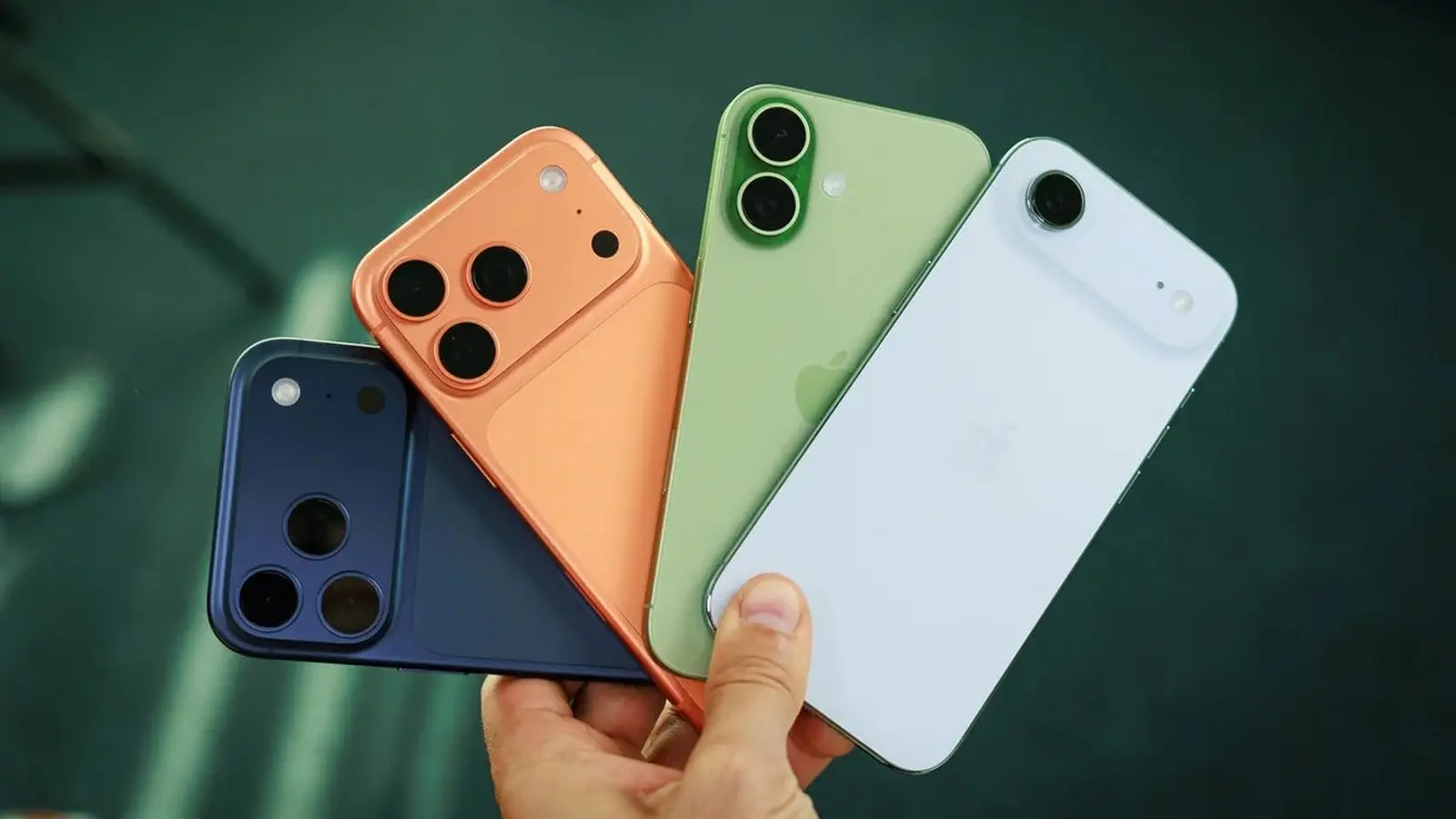
Apple’s time with LTPO screens is starting to feel like a chapter closing. The company introduced LTPO panels with the iPhone 13 Pro, but new industry reports suggest Apple is already planning a move to HMO (High Mobility Oxide) displays — a technology that promises higher resolution, lower power draw, and cheaper production.
Why HMO could be the next big screen shift
HMO is still an emerging display technology, but it’s catching attention for three straightforward reasons. First, HMO panels can support higher pixel densities, which means Apple could push even sharper screens as iPhone sizes grow without compromising clarity. Imagine a future iPhone with more pixels packed into a larger area while text and images stay razor-sharp.
- Sharper displays: Higher resolution potential helps maintain visual fidelity on bigger screens.
- Better battery life: HMO reportedly uses less power than LTPO, translating into longer runtime even if Apple sticks with conventional battery chemistry.
- Lower costs: Easier manufacturing could mean reduced panel costs — a plus for margins or pricing stability.
What this means for iPhone users
For everyday users the benefits are tangible: clearer images, less frequent charging, and — potentially — more competitive pricing down the line. Lower panel power draw pairs well with Apple’s battery experiments (like the silicon-carbon anode trial on the iPhone 17), giving room to stretch runtimes further without dramatic battery redesigns.
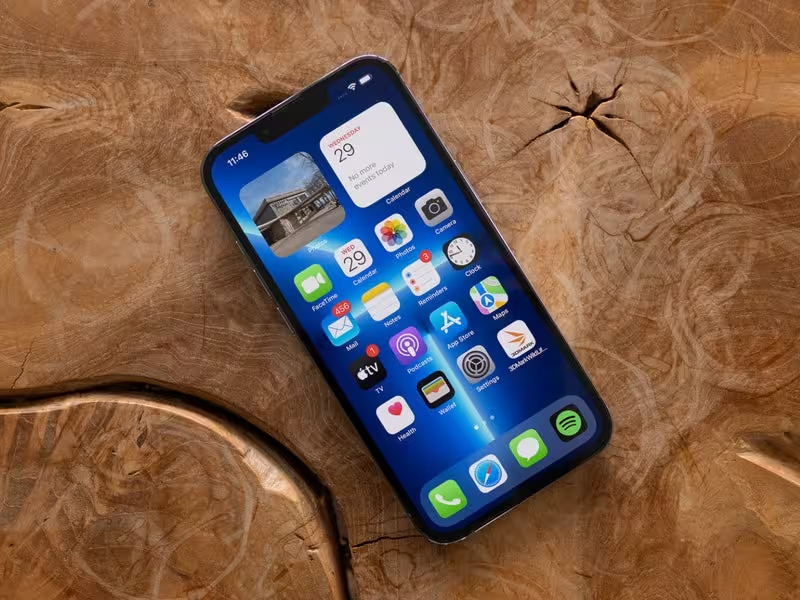
Developers and content creators also stand to gain. Higher default resolutions mean apps, video, and games can display more detail, while better power efficiency helps sustain peak performance during prolonged use — gaming sessions, video editing, and AR apps come to mind.
Don’t expect HMO iPhones overnight
HMO adoption won’t be immediate. The report indicates Apple is preparing for a transition, but the hardware ecosystem needs time to scale. Expect a multi-year rollout: Apple prototypes, secures supply chains, and ramps up production before an HMO-equipped iPhone ships to consumers.
Will the rest of the industry follow?
Historically, Apple’s supplier pulls often influence industry direction. LTPO’s spread across flagship phones accelerated after Apple adopted it. If Apple commits to HMO and demonstrates clear advantages — performance, battery life, cost — other manufacturers are likely to follow, at least at the premium end of the market.
But adoption hinges on practical factors: manufacturing yields, supply constraints, and whether rivals can achieve comparable gains with alternative panel tech. Even so, the lure of lower production costs alone could be persuasive enough for many OEMs to consider the switch.
What to watch next
Keep an eye on supply-chain rumors, Apple’s patent filings, and display industry trade updates. Early signs of HMO adoption will show up in supplier investments and yield improvements, then in analyst reports forecasting HMO-equipped device launches over the next few years.
For now, HMO represents an intriguing next step in smartphone display evolution: higher resolution, better efficiency, and potentially more affordable manufacturing. Whether it becomes the new standard depends on execution — and Apple has a history of nudging the market in new directions when it gets a solution right.

“I love exploring gadgets, apps, and trends that redefine how we connect, work, and play in a digital world.”

Discussion
Leave a Comment