
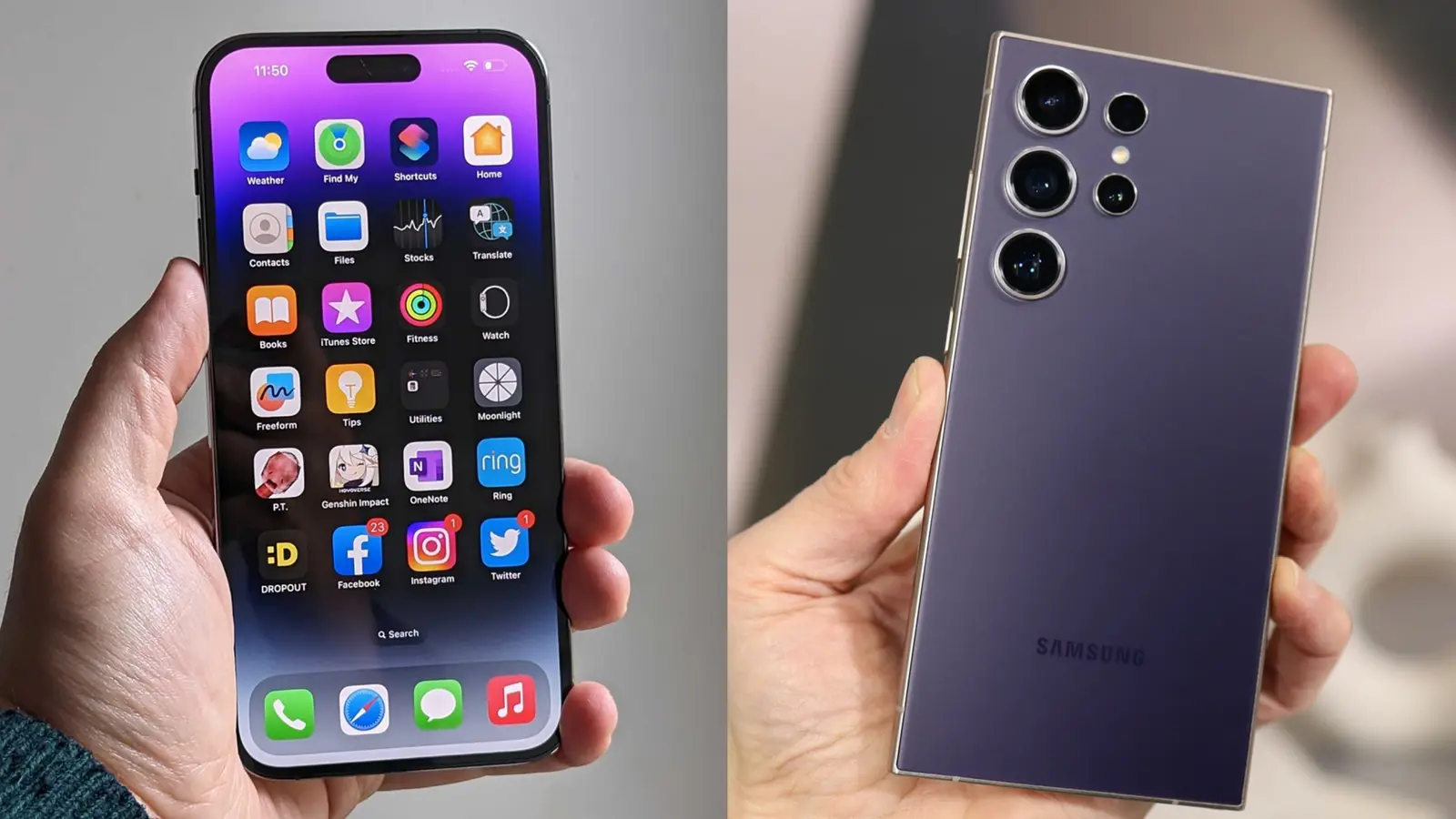
The second-hand smartphone market keeps telling the same story: iPhones retain their value far better than Samsung Galaxy flagships. New data from Counterpoint Research shows the gap widening again in the first half of 2025 — and the reasons go beyond specs and styling.
Numbers that make the difference
Counterpoint’s latest report highlights a clear trend: used iPhone sales rose 7% globally in H1 2025, with a striking 12% jump in developed markets. Samsung, by comparison, recorded a 4% increase in used phone sales over the same period. Overall, the pre-owned phone segment grew just 3% year-over-year, so Apple’s gains stand out.
- Apple: +7% used phone sales globally in H1 2025 (12% in developed markets)
- Samsung: +4% used phone sales globally in H1 2025
- Overall pre-owned market: +3% year-over-year
Apple’s trade-in engine: the quiet advantage
One big reason for Apple’s edge is its trade-in ecosystem in the United States. The report notes roughly one in three iPhone buyers either trade in or sell their old iPhone when upgrading. That steady flow of devices keeps the used-iPhone supply robust and makes models like the iPhone 13 and 14 highly available — and desirable — on resale platforms.
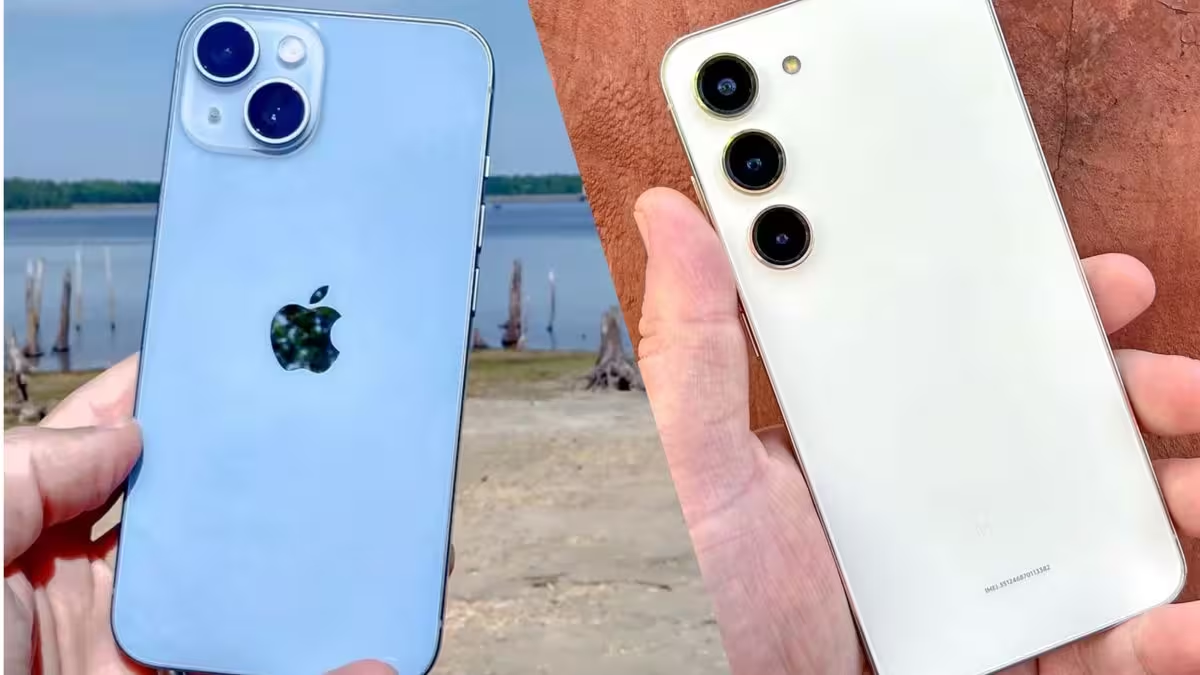
Samsung does offer competitive trade-in values, often through its online store, but it hasn’t replicated Apple’s scale. Even when Samsung gives strong trade-in pricing, the broader secondary market demand and perceived resale value for premium Galaxy phones lag behind iPhones. The result: Galaxy models tend to lose a bigger share of their value over time.
So what does this mean for buyers and sellers?
If you’re planning an upgrade and resale value matters, an iPhone still offers a clear financial advantage. Sellers typically fetch higher prices for recent iPhone models, while buyers of used iPhones can choose from a deeper inventory of well-priced, in-demand handsets. For Samsung owners, timing and choosing where you trade or sell your device can make a noticeable difference.
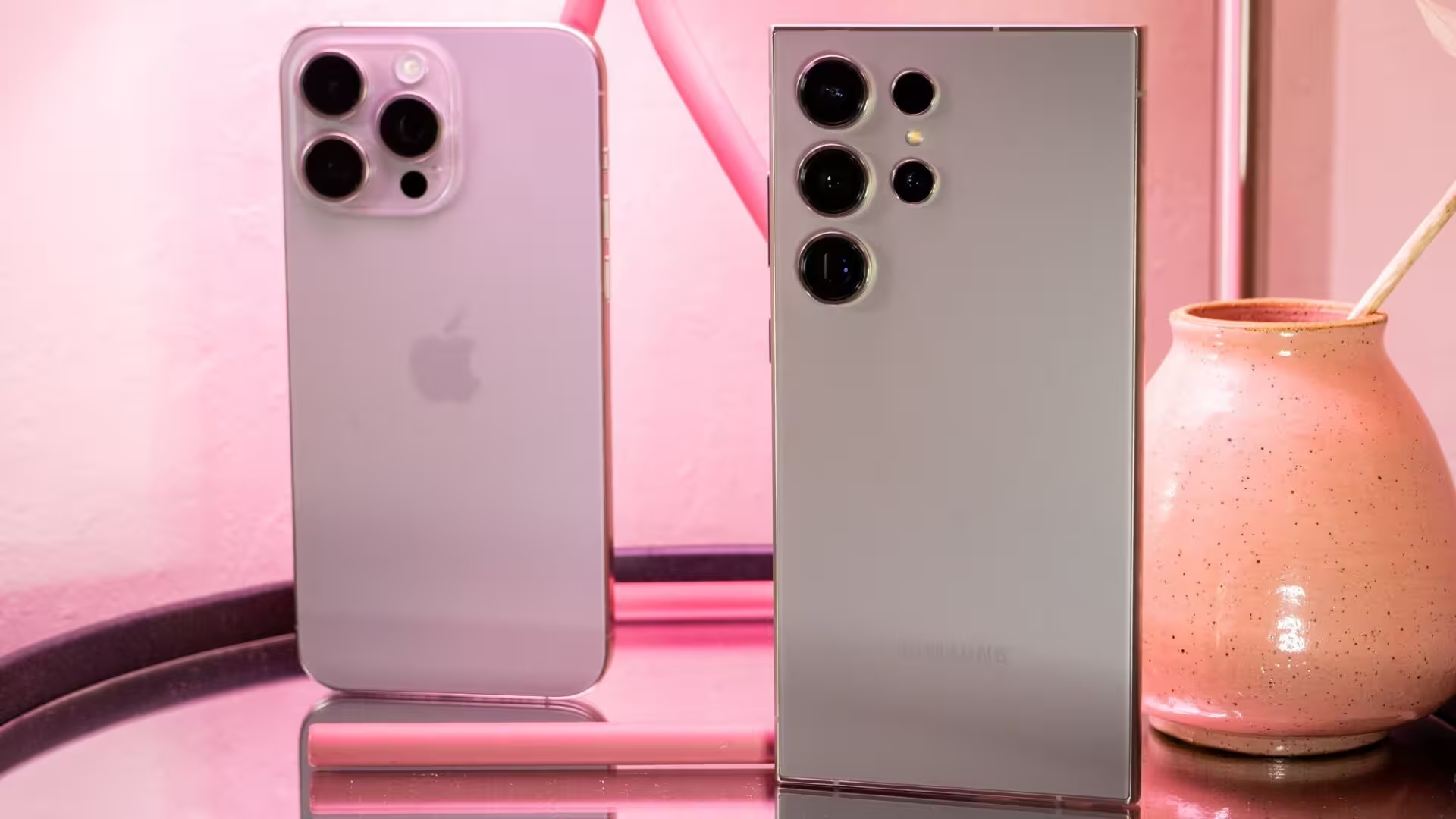
Imagine two sellers: one lists an iPhone 13 and quickly gets multiple offers; the other lists a premium Galaxy and waits longer for comparable bids. That scenario plays out often across marketplaces, and Counterpoint’s numbers help explain why.
Ultimately, brand ecosystem, consumer demand, and a streamlined trade-in path are combining to keep Apple on top of the second-hand phone market — at least for now.

“I love exploring gadgets, apps, and trends that redefine how we connect, work, and play in a digital world.”

Discussion
Leave a Comment