
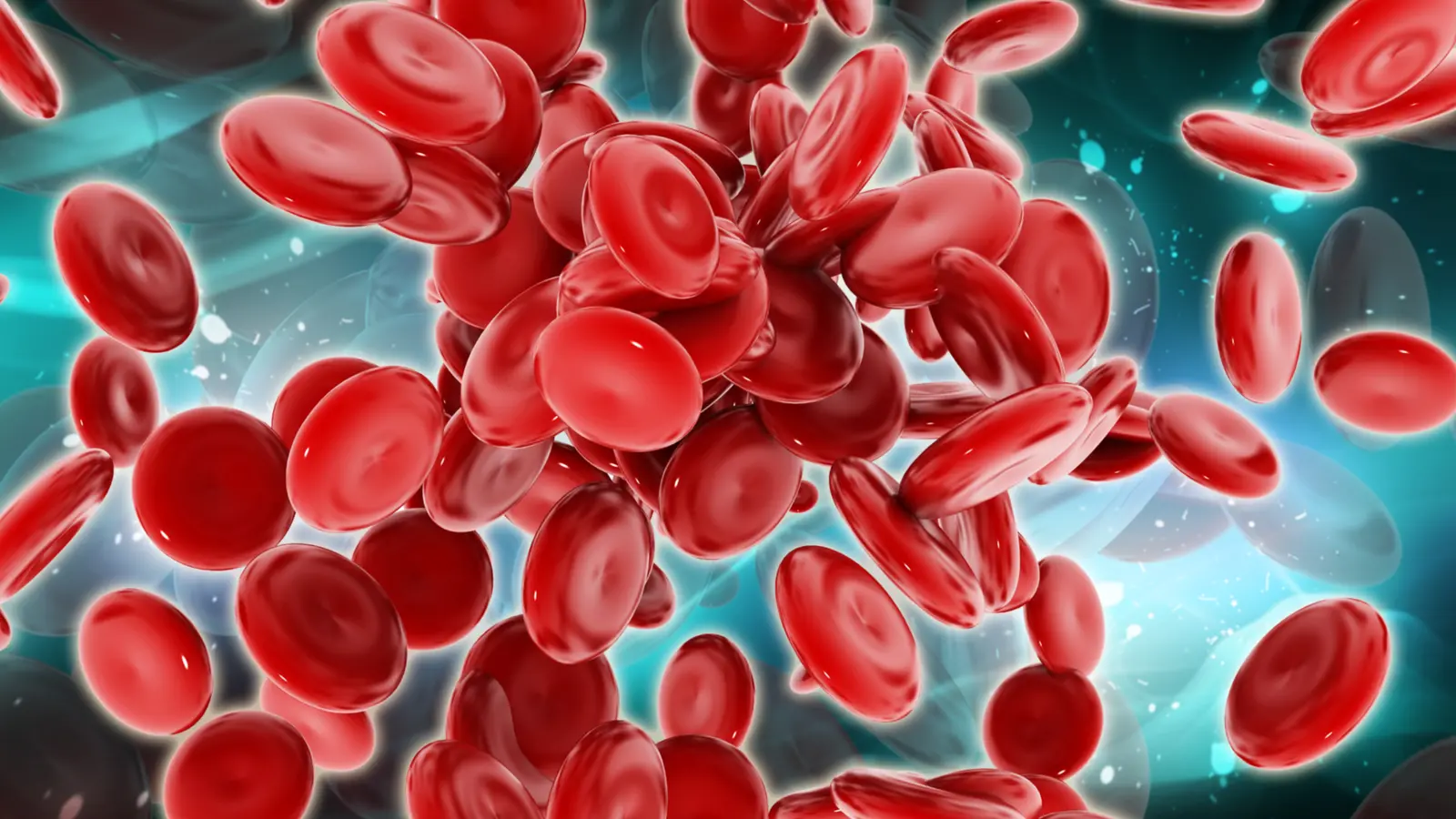
Deep inside bone marrow, hematopoietic stem cells (HSCs) quietly produce the blood and immune cells our bodies need. As we get older these stem cells lose efficiency, undermining immunity and raising the risk of anemia and blood cancers. New research shows that correcting a specific cellular recycling malfunction can restore aged HSCs to a more youthful, productive state in mice.
Why lysosomes matter for stem cell aging
HSCs rely on a small but essential organelle called the lysosome — the cell's recycling center — to break down proteins, lipids and other complex molecules into reusable parts. In healthy young HSCs, metabolic activity is kept low and cells remain quiescent, a reversible resting state that protects them from damage and preserves regenerative potential.
Researchers from the Icahn School of Medicine at Mount Sinai and Paris Cité University found that in aged mouse HSCs lysosomes become hyperactive and abnormally acidic. That disruption accelerates glucose metabolism and disturbs how genetic programs are switched on and off, pushing old HSCs into a stressed, overactive state that erodes their long-term function.

How the experiment restored youthful behavior
Led by stem cell biologist Saghi Ghaffari, the team isolated HSCs from old mice and treated them ex vivo with concanamycin A, a chemical that calms lysosomal activity and raises lysosomal pH toward normal. After treatment the cells were returned to their host animals. The result was dramatic: treated HSCs generated new blood cells at roughly eight times the rate of untreated aged cells and produced a more balanced mix of blood lineages.
Key experimental details
- Treatment was applied outside the animal (ex vivo) before transplantation back into the host.
- Concanamycin A reduced lysosomal acidity and normalized metabolic signaling in HSCs.
- Treated cells showed improved regenerative capacity and were usable in transplantation models.
Ghaffari summarizes the finding simply: 'Old blood stem cells have the capacity to revert to a youthful state; they can bounce back.' By targeting lysosomal hyperactivity, the team effectively reset aged HSCs so they could better regenerate blood and immune cells.
Broader implications for medicine and aging
The study highlights lysosomal dysfunction as a central driver of stem cell aging. If similar mechanisms operate in humans, modulating lysosomal activity could become a therapeutic strategy to maintain healthy blood and immune systems in older adults, increase the success of stem cell transplants, and reduce age-related blood disorders.
There are important caveats. The work so far has been limited to mice, and concanamycin A itself is a laboratory tool rather than a ready-made drug for patients. Safety, dosing, delivery, and long-term outcomes require substantial follow-up in preclinical studies and eventually clinical trials. Nevertheless, the principle is promising: by correcting a defined intracellular defect, you can restore stem cell function without genetic manipulation.
Potential next steps and related technologies
Future research will need to answer several questions: Do human HSCs show the same lysosomal changes with age? Can milder or more targeted agents replicate concanamycin A's benefits? Are there combinatory approaches — for example, metabolic modulators or transient reprogramming — that could synergize with lysosomal interventions?
Related technologies such as single-cell RNA sequencing, high-resolution imaging of organelle pH, and refined ex vivo conditioning methods will be important tools to translate these findings into therapies. The ability to rejuvenate transplantable HSCs ex vivo could improve outcomes for older transplant recipients and expand the usable pool of donor cells.
Expert Insight
Dr. Elena Martinez, a translational hematologist, comments: 'This study points to a tractable cellular target for rejuvenation. Modulating lysosomal function sidesteps the complexity of altering many genes and focuses on a biochemical switch. Translating this to safe, patient-ready treatments will take work, but the underlying biology is compelling.'
The research, published in Cell Stem Cell, reframes stem cell aging as at least partially reversible and opens a new direction for therapies aimed at improving blood and immune health in later life.

“The cosmos has always fascinated me. I write about space missions, astronomy, and the technologies pushing humanity beyond Earth.”

Discussion
Leave a Comment