
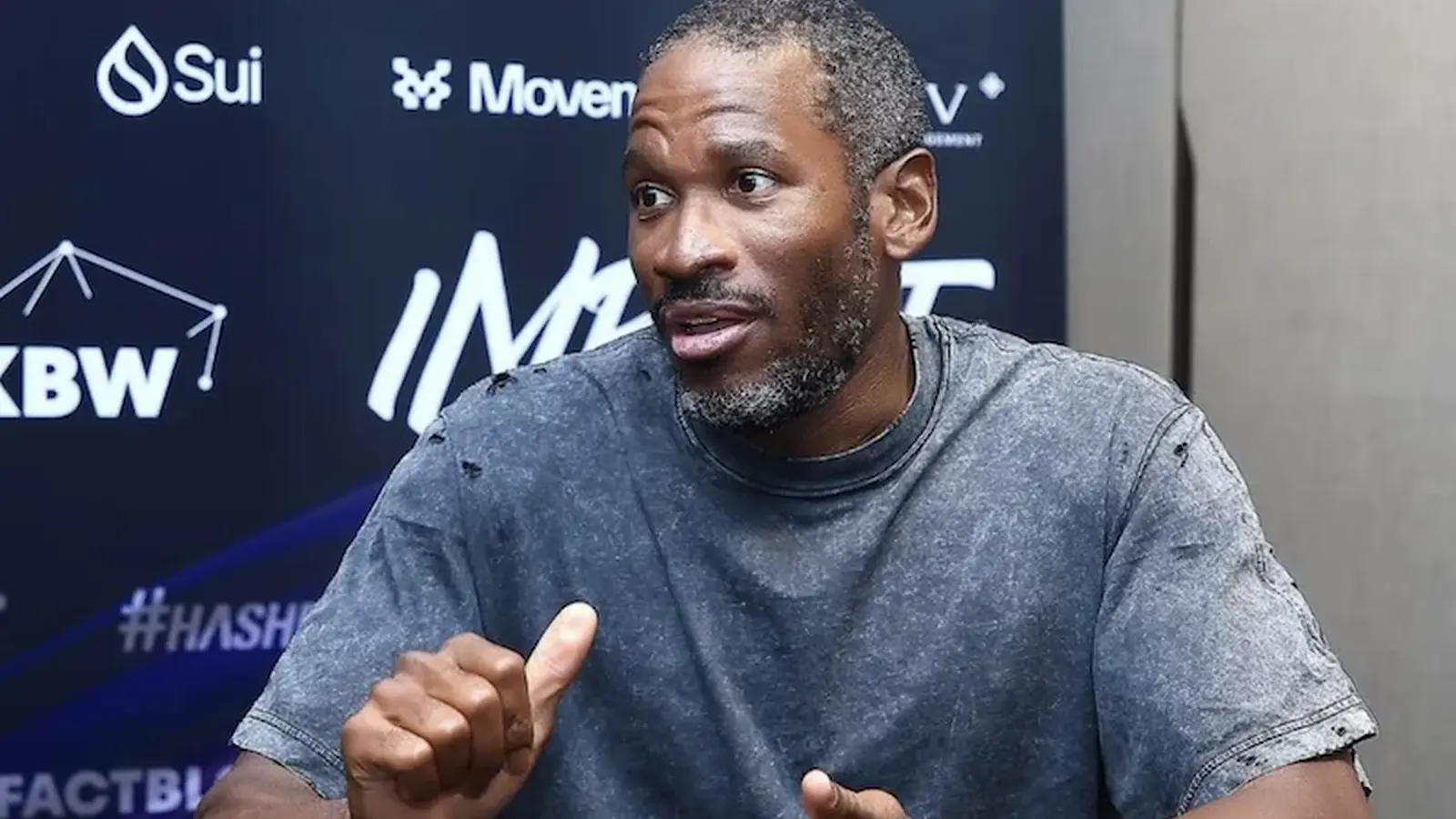
Arthur Hayes forecasts a shift to 24/7 crypto perpetual markets
Former BitMEX co-founder Arthur Hayes has laid out a bold prediction: equity price discovery will migrate from traditional exchanges to crypto-native perpetual markets that trade around the clock. Hayes argues that perpetual swaps, the futures-like instruments popularized in crypto markets, concentrate liquidity and provide retail traders with deep access and high leverage. As regulators soften and permissionless protocols mature, Hayes expects perpetuals on centralized and decentralized venues to challenge legacy derivatives listed on platforms like CME.
Why perpetual swaps could outcompete traditional futures
Consolidated liquidity and continuous trading
Hayes points to the defining features of perpetual swaps: no expiration, funding payments that track spot prices, and a single unified contract that pools liquidity. Unlike dated futures that fragment liquidity across expiries and trading hours, perpetuals enable continuous price discovery 24/7. That uninterrupted trading better reflects global flows and news events, which increasingly occur outside standard exchange hours.
Leverage, socialized loss systems and reduced counterparty risk
Perpetual markets have also evolved robust risk-management primitives, including insurance funds and socialized loss mechanisms that limit direct legal exposure to margin deposits. Hayes says these features let retail participants access substantial exposure without depositing enormous collateral at a clearinghouse, an advantage he believes will attract activity away from legacy venues constrained by conservative retail leverage rules and legacy operating models.
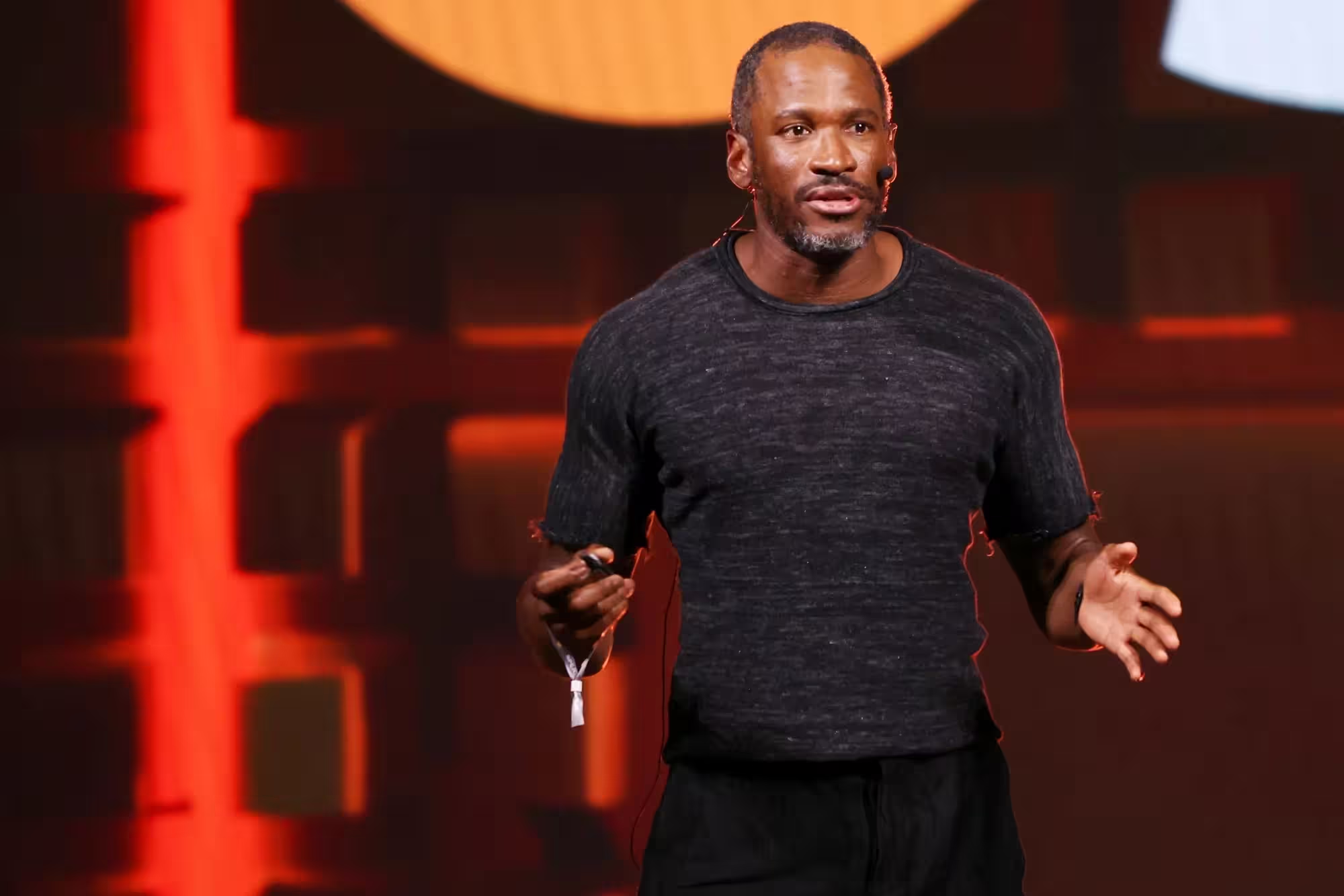
Early evidence: Hyperliquid, HIP-3 and Nasdaq 100 perps
Permissionless experiments gaining traction
Hayes highlighted Hyperliquid's HIP-3 as an early proof of concept. He said HIP-3 enabled a firm to deploy a Nasdaq 100 perpetual that now shows meaningful daily volume on permissionless infrastructure. That example, along with pilot products from exchanges in Asia and the US, indicates that both centralized exchanges and decentralized protocols can list equity perpetuals and attract meaningful order flow.
Regulatory tailwinds and market timing
Shifts in US policy and global follow-through
Part of Hayes' thesis depends on a friendlier regulatory posture. He noted the post-2025 US environment under the current administration has allowed sandbox-style derivative trials and clearer guidance that encouraged other jurisdictions to explore similar frameworks. After years of enforcement actions following high-profile collapses like FTX and heightened scrutiny from the CFTC, Hayes says the new stance has given platforms confidence to innovate with equity perpetuals.
What this means for exchanges, clearinghouses and traders
Adapt or risk losing liquidity
Hayes frames the moment for incumbents as adapt or die. Traditional exchanges that fail to integrate perpetual-style products and rethink clearing models face the prospect of migrating liquidity to crypto venues and decentralized exchanges. Clearinghouses with limited guarantee funds, legacy business hours, and strict retail constraints may struggle to compete with the capital efficiency and 24/7 price discovery offered by perpetuals.
Practical implications for market participants
For traders, the shift could mean easier access to leveraged equity exposure via crypto platforms, lower required initial margin in some cases, and faster reaction to global events. For institutional participants and regulators, it raises questions about custody, settlement, market surveillance, and systemic risk when large derivatives on major benchmarks like the S&P 500 and Nasdaq 100 trade primarily as perpetual swaps.
Hayes on-chain activity and recent market behavior
Personal trades and market signals
Blockchain analytics showed Hayes liquidating sizable positions in several altcoins after a steep market move, despite earlier indications he intended to hold ETH long term. He has also publicly praised a privacy coin that posted triple-digit monthly gains, signaling that his market commentary continues to move conversations within crypto communities. These public on-chain moves and social commentary add color to Hayes' forecast, blending theory with real-time trading behavior.
Whether perpetuals ultimately become the dominant venue for equity derivatives depends on product design, regulatory clarity, and the ability of exchanges both crypto-native and incumbent to offer deep liquidity, transparent risk controls, and trusted settlement. Hayes' thesis, while provocative, outlines a credible pathway: permissionless perpetuals, backed by insurance funds and continuous trading, could reshape where price discovery happens for major equity benchmarks in the coming decade.

Discussion
Leave a Comment