
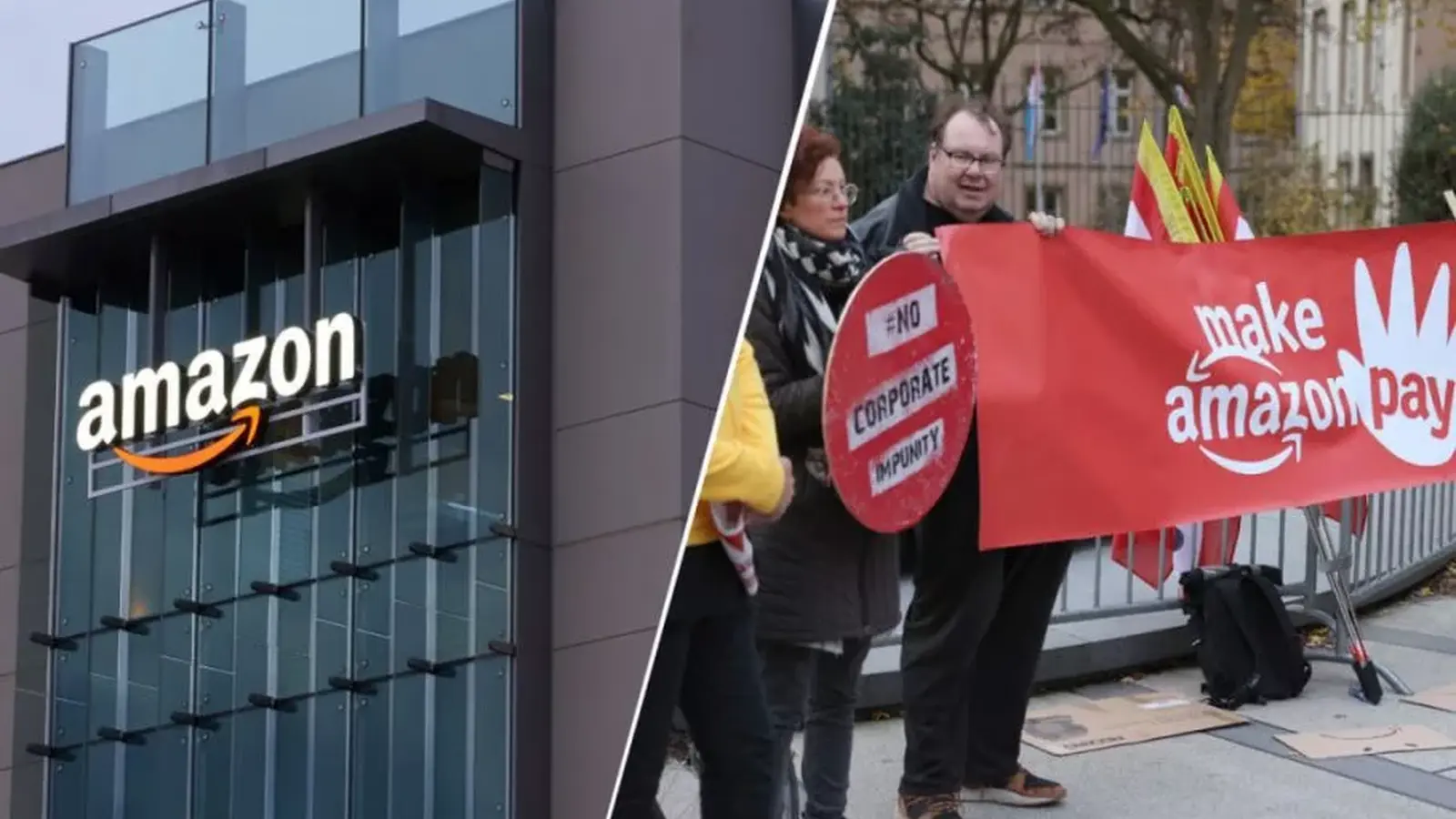
Amazon faced coordinated worker strikes across more than 30 countries during Black Friday in what organizers called the largest wave yet of the annual "Make Amazon Pay" campaign. Protests targeted warehouses, data centers, corporate offices and public spaces and are scheduled to continue through December 1.
Why the protests spread globally
Union networks led by UNI Global Union and Progressive International say the walkouts reflect mounting frustration over workplace safety, grueling production targets, expanding AI and cloud operations, and controversial partnerships with immigration and law enforcement agencies. Organizers described this year’s actions as the biggest mobilization of the movement so far.
Workers and local activists staged rallies and walkouts from India to Canada, the U.S. to Australia and across Latin America and Europe. The campaign’s reach speaks to mounting, shared grievances: heat-related injuries in warehouses, inadequate protections against extreme temperatures, demands for a living wage and stronger job security.
Demands on the table and Amazon’s response
In India, for example, thousands of employees protested for fair pay and safer conditions after a UNI survey of 474 Amazon warehouse staff found that three-quarters had required medical care for heat-related issues. More than half described their work environments as “very hot and unsafe” or “unbearable.” UNI General Secretary Christy Hoffman emphasized that heat protections should be mandatory and worker-led.
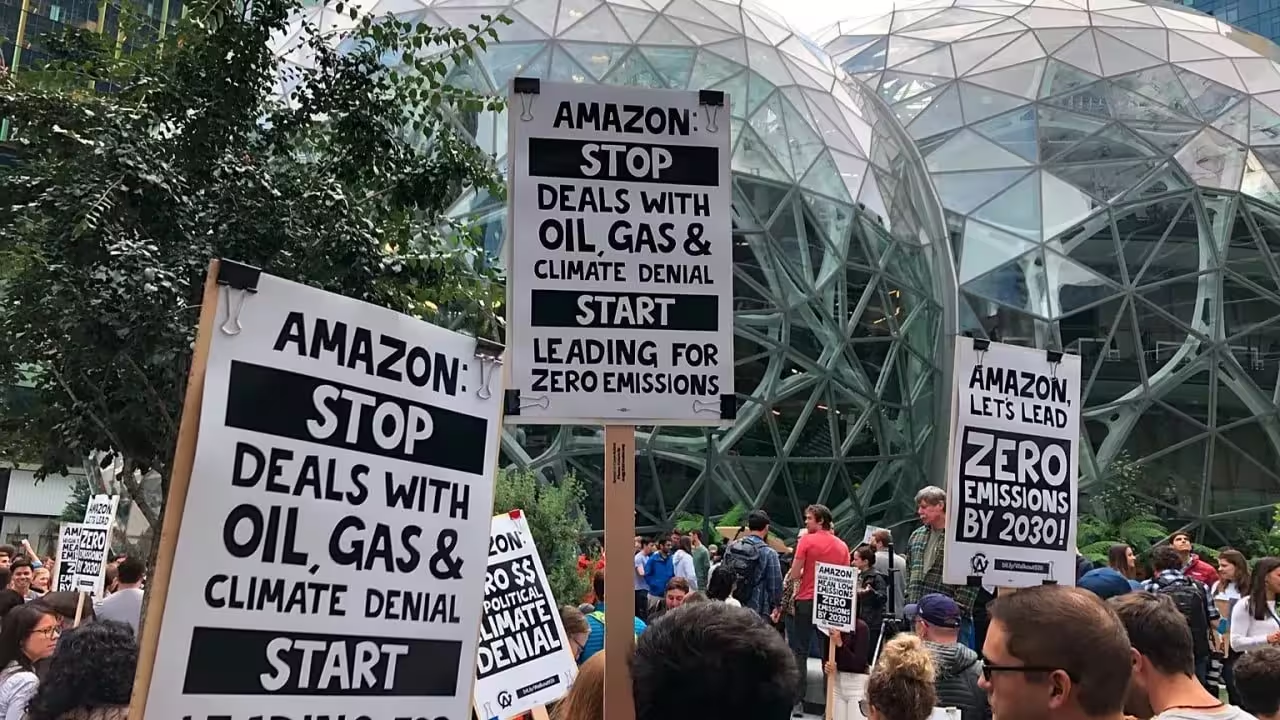
Amazon’s spokesperson pushed back, noting the company directly employs over 1.5 million people globally and provides competitive pay, benefits and modern, safe workplaces. Still, thousands of corporate staff have also voiced concerns: more than 1,000 employees signed an open letter arguing that Amazon’s rush to build AI infrastructure—anchored by a reported $150 billion in data center investment—undermines its climate commitments.
Employees want all data centers powered by renewable energy, worker committees to oversee AI decisions, and guarantees that the company won’t supply AI tools for surveillance, violence or mass dismissals. Outside corporate sites in the U.S., activists protested Amazon’s contracts with U.S. Immigration and Customs Enforcement (ICE), demanding the company stop providing systems that could enable deportations.
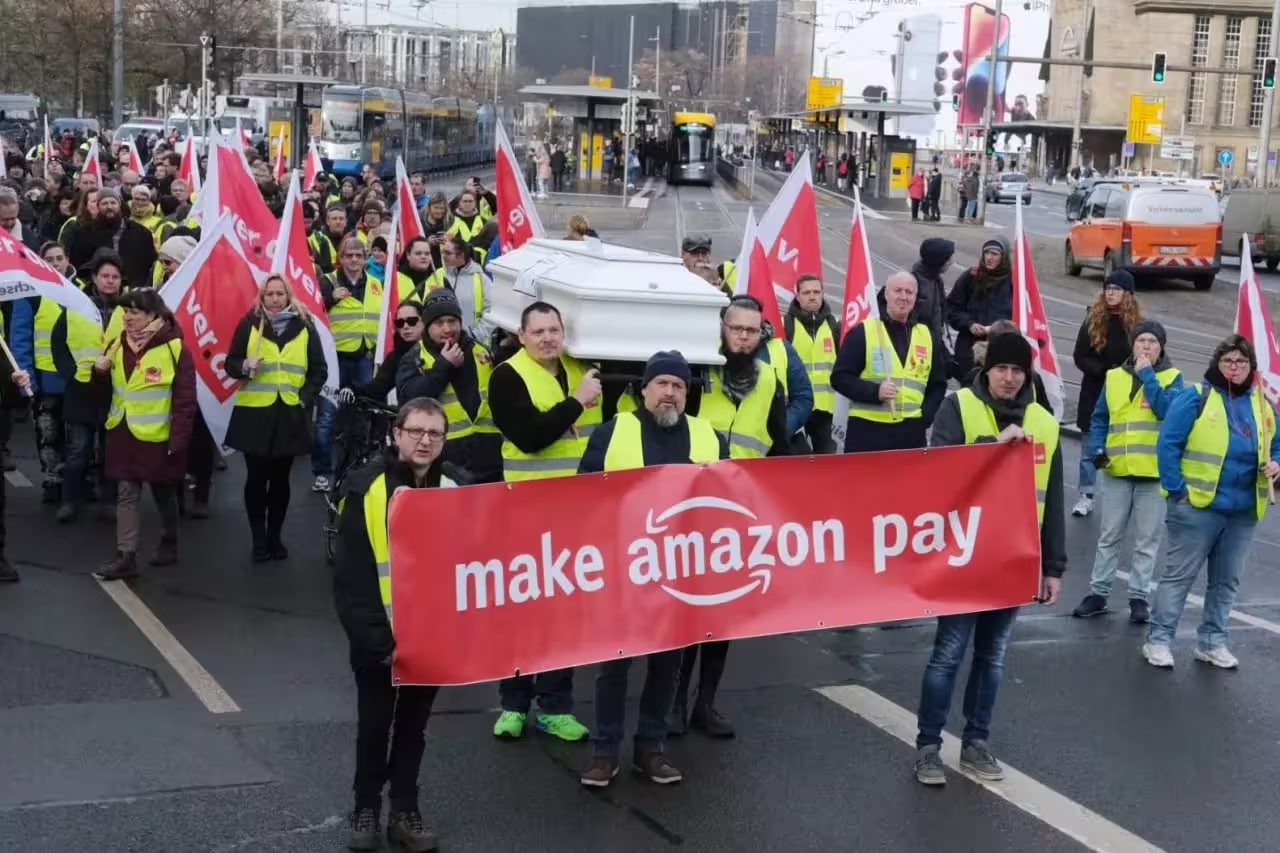
Globally, demonstrations also unfolded in Canada, where unions called for boycotts following the closure of distribution centers in Quebec that eliminated thousands of jobs. Other reported flashpoints included Australia, Indonesia, Taiwan, Nepal, Brazil, Bangladesh, Colombia, Denmark, the U.K. and South Africa.
Whether these protests will push Amazon to change policies on heat safety, AI governance and corporate partnerships remains to be seen. But this Black Friday showed the company facing coordinated pressure like never before—across borders, sectors and work roles.

“I cover emerging technologies, digital innovation, and the intersection of tech and everyday life. My goal is to make complex trends accessible and inspiring.”

Discussion
Leave a Comment
Comments
No comments yet. Be the first.