

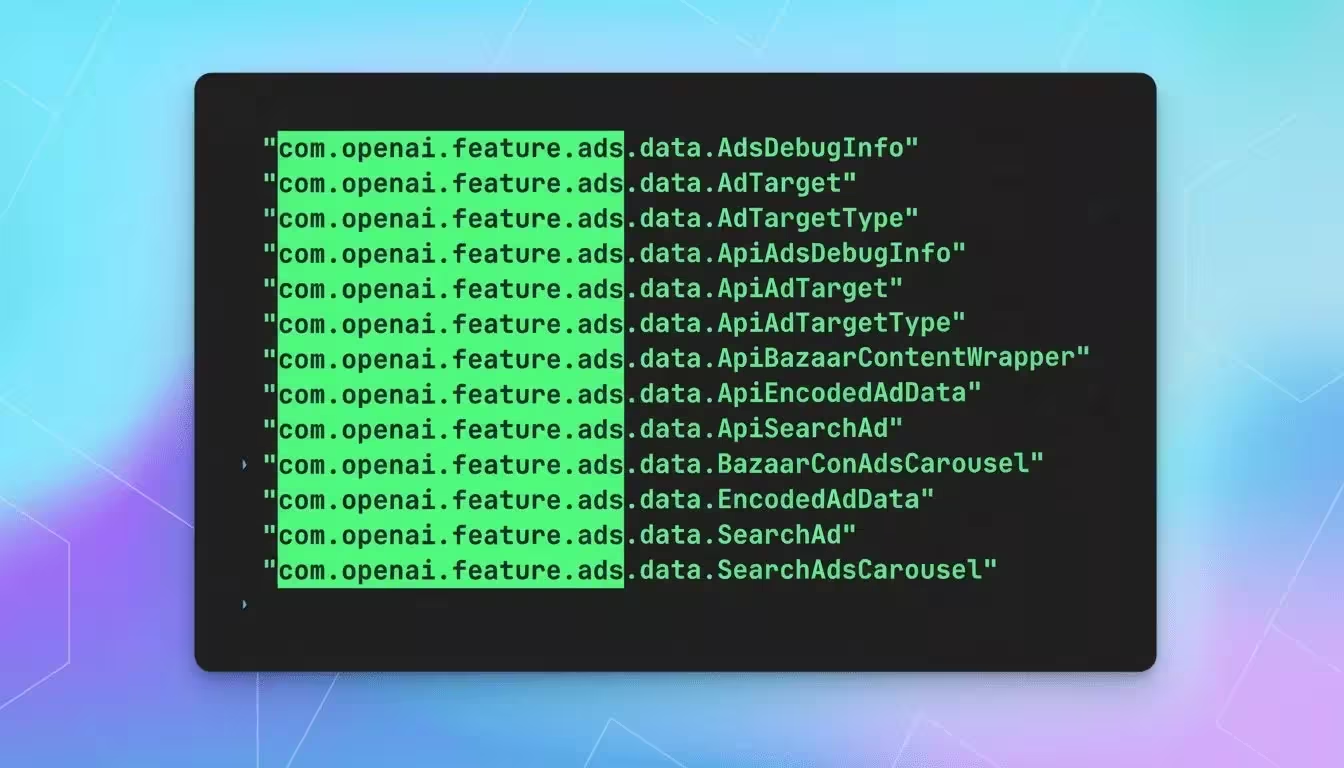
New code found in a beta Android build of ChatGPT suggests OpenAI is quietly experimenting with showing targeted ads inside the assistant’s web search results. The discovery points to shopping-style cards and carousel layouts that would appear alongside answers pulled from the web.
What the code reveals
A researcher examining version 1.2025.329 uncovered snippets that reference fresh ad templates, including product cards and navigable lists. Those elements indicate OpenAI may be preparing ad formats that sit in the search layer of ChatGPT rather than the main conversational pane. In practice, that means when the assistant returns internet-sourced results, users might also see purchase cards, sponsored panels, or product carousels mixed into the response.
The code also alludes to content feeds tied to stores — likely a way to pull product listings or shopping suggestions into the assistant’s replies. While the snippets point to infrastructure for product-driven ads, the feature appears to be in early testing and not yet publicly launched. OpenAI has made no formal announcement or provided a timeline.
Why this matters — and what it could look like
ChatGPT already handles billions of requests each day, with monthly traffic in the billions. That scale makes it a natural place to trial ad formats that rely on user intent. Unlike traditional keyword-targeted ads, a conversational AI can infer a much richer signal from the way a user asks follow-ups, clarifies options, or compares products. When a user asks for prices, comparisons, or buying advice, shopping cards could be far more relevant and timely.
- Ad placement: Likely inside search-result layers rather than the chat stream.
- Formats seen in code: Product cards, carousels, and store content feeds.
- Potential targeting: Intent- and conversation-driven signals, not just keywords.
That precision, however, brings questions. If ads are selected based on conversation history and inferred intent, users may not know why a particular sponsored card appeared. Privacy and transparency concerns are therefore front and center: how data is used, how choices are presented, and whether users can opt out will shape public reception.
For now, the evidence is simply that — evidence from an internal beta build. It shows OpenAI is exploring a new revenue path by testing ad units in ChatGPT’s search experience, but there’s no sign yet of a full rollout. Still, the move would mark a significant evolution in how conversational AI platforms monetize and serve commercial content.

“I love exploring gadgets, apps, and trends that redefine how we connect, work, and play in a digital world.”

Discussion
Leave a Comment
Comments
No comments yet. Be the first.