
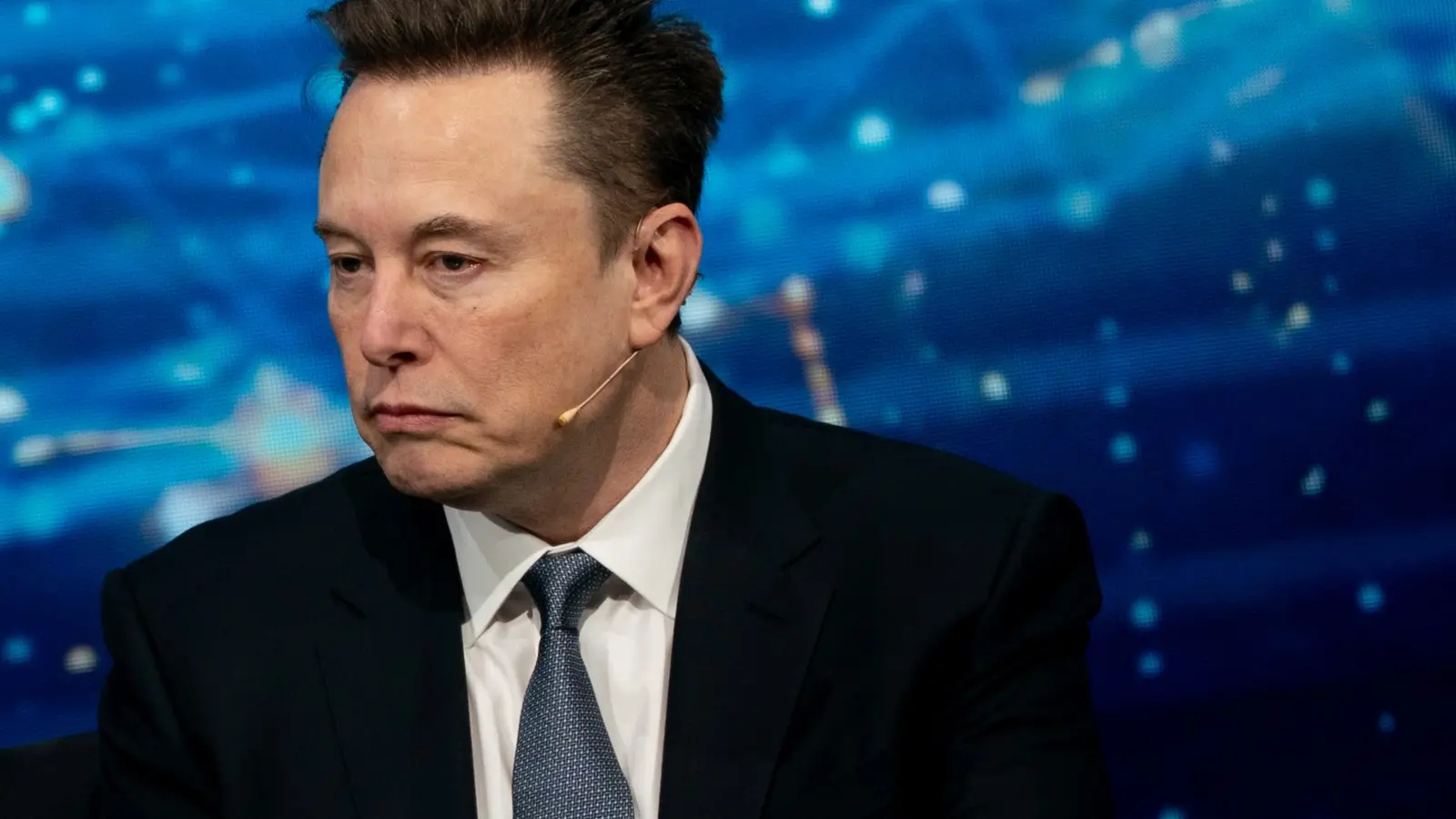
Elon Musk outlines a future where money fades and energy rules
Tesla CEO Elon Musk sketched a long-term vision in a recent podcast with investor Nikhil Kamath, arguing that advanced artificial intelligence and robotics could make traditional money far less relevant. Musk suggested that when machines can satisfy most human needs, the primary purpose of currency as a tool for allocating labor and production diminishes. He referenced Iain Banks' Culture series as an example of a fictional post-scarcity society without monetary systems.
Money may erode when scarcity ends
Musk said that in a scenario where AI and robotics are capable of meeting broad human demand, 'money is no longer... its relevance declines dramatically.' The idea is rooted in the concept of post-scarcity: if scarcity of goods and services is solved by automation, the mechanisms we use today to ration resources, including fiat currency, would lose their central role in organizing labor and exchange.
Energy becomes the enduring measure of value
Even as Musk imagines the decline of traditional money, he argues that some measures of value would persist. He called energy the 'true currency,' saying that energy is governed by physics rather than political will. In his framing, control over efficient and abundant energy sources translates to economic strength and a real-world anchor for value.
Why Bitcoin fits the energy-centric view
Musk linked this energy-centric perspective to Bitcoin and its proof-of-work consensus. Proof-of-work mining requires significant electricity and computing hardware, which ties digital scarcity to physical energy consumption. That connection, proponents argue, makes Bitcoin an energy-backed digital asset that cannot be arbitrarily expanded by central banks.
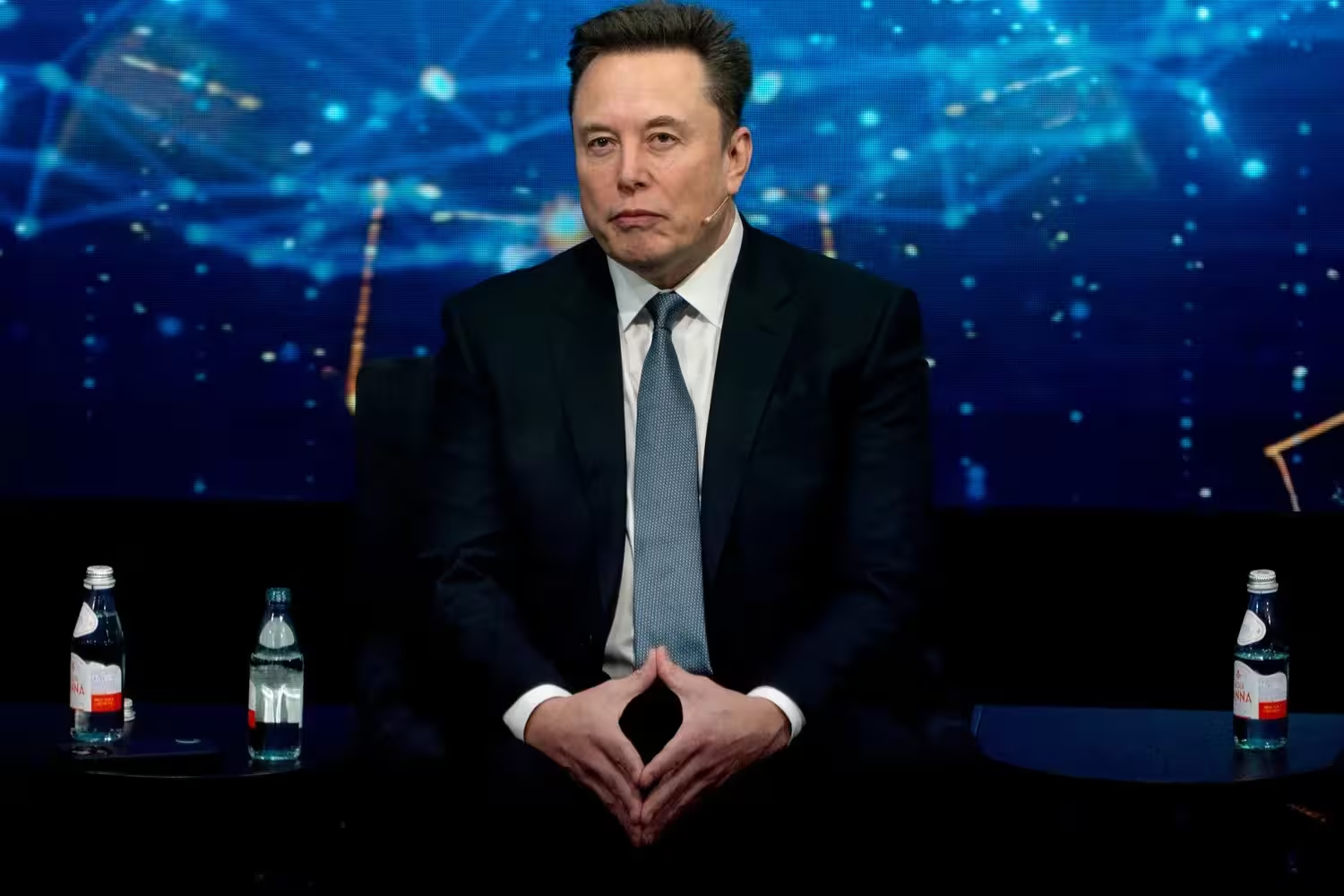
Debate over Bitcoin's energy footprint and benefits
Bitcoin mining's energy use remains a contentious topic among policymakers, environmental groups and crypto communities. Critics point to carbon emissions and potential strain on power grids, while supporters contend that mining can incentivize renewable energy development and lead to better grid efficiency. The net environmental impact depends on the energy mix miners use and how miners integrate with local grids.
Practical reality and timing remain uncertain
Musk did not offer a timeline for the shift to an energy-based value system. The argument depends on breakthroughs in AI and robotics that have not yet occurred. For the foreseeable future, fiat currencies, banks and traditional payment systems remain the backbone of commerce, savings and wages. Bitcoin continues to function as both a tradable cryptocurrency and an alternative monetary experiment.
Implications for investors, miners and policymakers
If energy becomes the core economic metric in a highly automated future, assets tied to reliable, low-cost energy production may gain strategic importance. That could include renewables, energy storage, and energy-intensive blockchain networks like Bitcoin. For investors and miners, the key variables will be energy costs, regulatory environments, and technological advances in both mining hardware and energy generation.
All images and captions from the original report are retained as published. This analysis aims to provide a clear summary of Musk's perspective on AI, robotics, Bitcoin, proof-of-work and the potential transition from fiat to energy-backed measures of value, while noting the substantial uncertainties around timelines and environmental trade-offs.

“I cover automotive innovation, electric vehicles, and the future of mobility — where technology meets sustainability.”

Discussion
Leave a Comment