
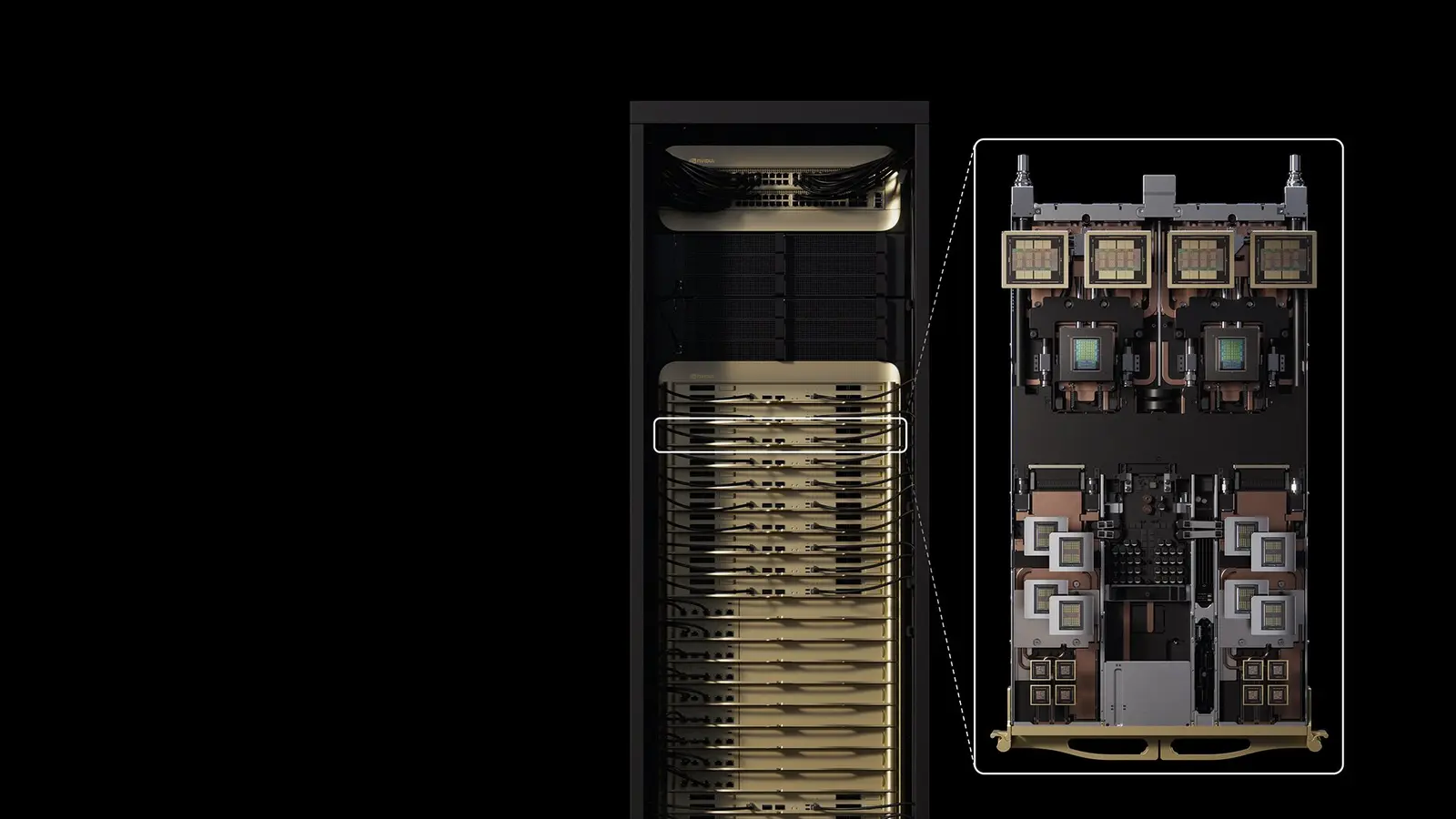
Samsung is positioning itself as a major memory supplier for Nvidia’s next-generation AI servers, promising to deliver half of the new SOCAMM2 DRAM modules Nvidia will require in 2026. The move follows a year of intensive refinement in Samsung’s high-end DRAM and HBM efforts.
Why Samsung’s SOCAMM2 win matters
After missing out on much of the AI-memory boom last year, Samsung has improved yields and performance on its advanced DRAM lines. The company has already shipped HBM4 samples to Nvidia for final testing, and now it’s confirmed plans to provide roughly 50% of the Small Outline Compression Attached Memory Module 2 (SOCAMM2) modules Nvidia expects to use next year.
SOCAMM2 is essentially a denser, server-optimized memory package that consolidates multiple LPDDR chips onto a single substrate, making upgrades simpler and improving the memory footprint for AI data centers. Nvidia’s Vera platforms, for example, place several SOCAMM2 modules alongside the Vera CPU to feed Rubin GPUs with high-bandwidth data.
Micron led the SOCAMM rush this year, but Samsung — along with SK Hynix — has upped its game. Samsung says it has stabilized yields on its fifth-generation 1c DRAM chips, the core building blocks for SOCAMM2, enabling the company to scale production.
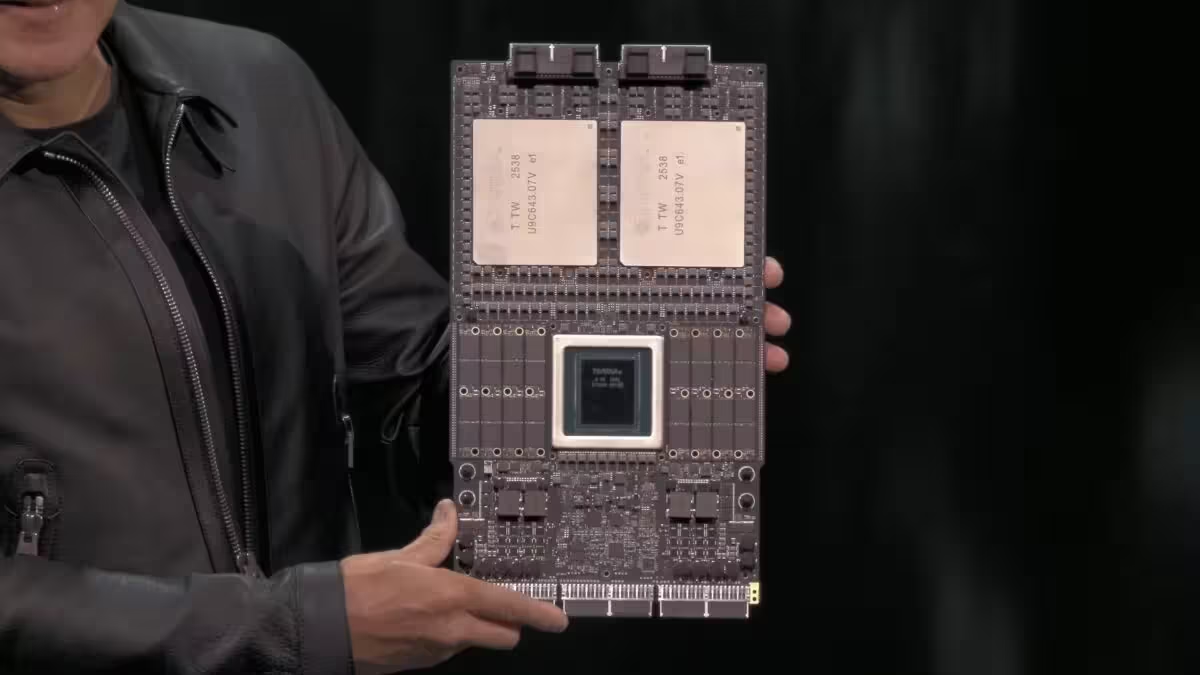
Scale and supply: the numbers
Nvidia reportedly asked the memory industry to deliver as much as 20 billion gigabytes (GB) of SOCAMM modules. Under the current arrangement, Samsung would supply about half of that capacity — roughly 10 billion GB. To achieve that, Samsung estimates needing about 830 million 24Gb LPDDR5X DRAM chips, which translates to roughly 30,000–40,000 wafers per month — about 5% of Samsung’s total monthly DRAM wafer production.
Micron and SK Hynix are expected to cover the remaining SOCAMM2 demand. For Samsung, winning large SOCAMM2 contracts alongside potential HBM4 orders could translate into sizable revenue and profit gains as AI infrastructure spending accelerates.
So what’s next? Expect broader adoption of SOCAMM2 in AI servers as suppliers ramp up, and watch Samsung’s HBM4 validation process with Nvidia — both will shape memory supply chains and pricing in 2026.

“I love exploring gadgets, apps, and trends that redefine how we connect, work, and play in a digital world.”

Discussion
Leave a Comment