
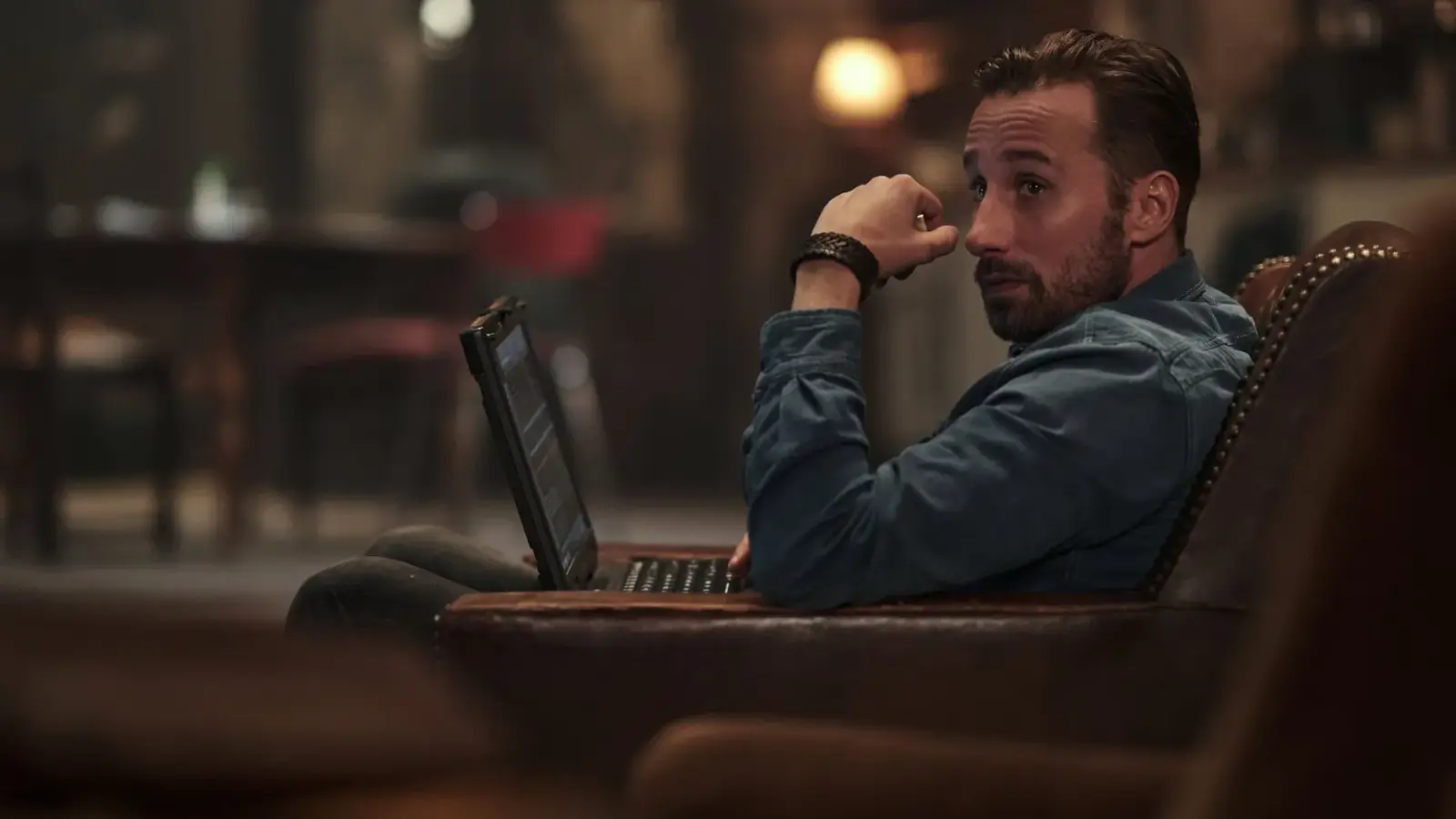
Actor's Legal Troubles Catch Eye During Supergirl Production
Belgian actor Matthias Schoenaerts — widely recognised for his intense, physically demanding performances in films such as Rust and Bone, A Hidden Life and Amsterdam — has been given a sentence in relation to repeated driving offences. This development arrives while he is publicly attached to DC's upcoming Supergirl film, prompting renewed attention from fans, industry observers and the press. According to media reports, a court in Beringen found the 47-year-old actor guilty of driving without a valid licence and ordered a six-month prison term, a €4,000 fine and a one-year driving ban. The verdict was issued in his absence and is reportedly open to appeal, meaning the sentence is not immediately enforceable. Until any appeal is resolved, the legal timeline, the exact enforcement of penalties and the final outcome remain subject to change.
What the Case Involves
Local Belgian outlets report that Schoenaerts was stopped in Pelt on two separate occasions, on 5 April and 21 April 2024, while riding a motorcycle without a valid licence. Those stops form the backbone of the recent conviction, but they are not the only episode highlighted by authorities. The case is distinct from another incident in which police detained him in Pelt over an alleged refusal to take a breathalyser test. Prosecutors and court filings also reference an earlier ruling from 2021 in Antwerp that restricted his driving privileges following a drug-related driving matter; that 2021 decision included conditions such as participation in rehabilitation and passing a retest to regain driving rights. Reports indicate those conditions were not fulfilled, which the new ruling addresses by requiring the actor to retake all necessary driving examinations. The combined sequence of events illustrates how multiple administrative and criminal elements can accumulate and translate into a more serious judicial response under Belgian traffic and criminal law.
What This Means for Supergirl and the DC Universe
Schoenaerts is reportedly cast as Krem of the Yellow Hills, a villainous figure in the Supergirl project. That role generated particular interest because the production has kept plot and character details tightly controlled, allowing speculation and excitement to build among comic-book fans and genre followers. In the current climate of heightened scrutiny over cast behaviour, the timing of this conviction ramps up pressure on DC Studios and the producers to formulate a response that balances legal realities, public perception and commercial considerations. Historically, studios may delay comment while they assess legal paperwork, consult counsel and weigh contractual obligations. At the time of these reports, DC has not issued an official statement addressing the verdict or the potential implications for casting and promotion.
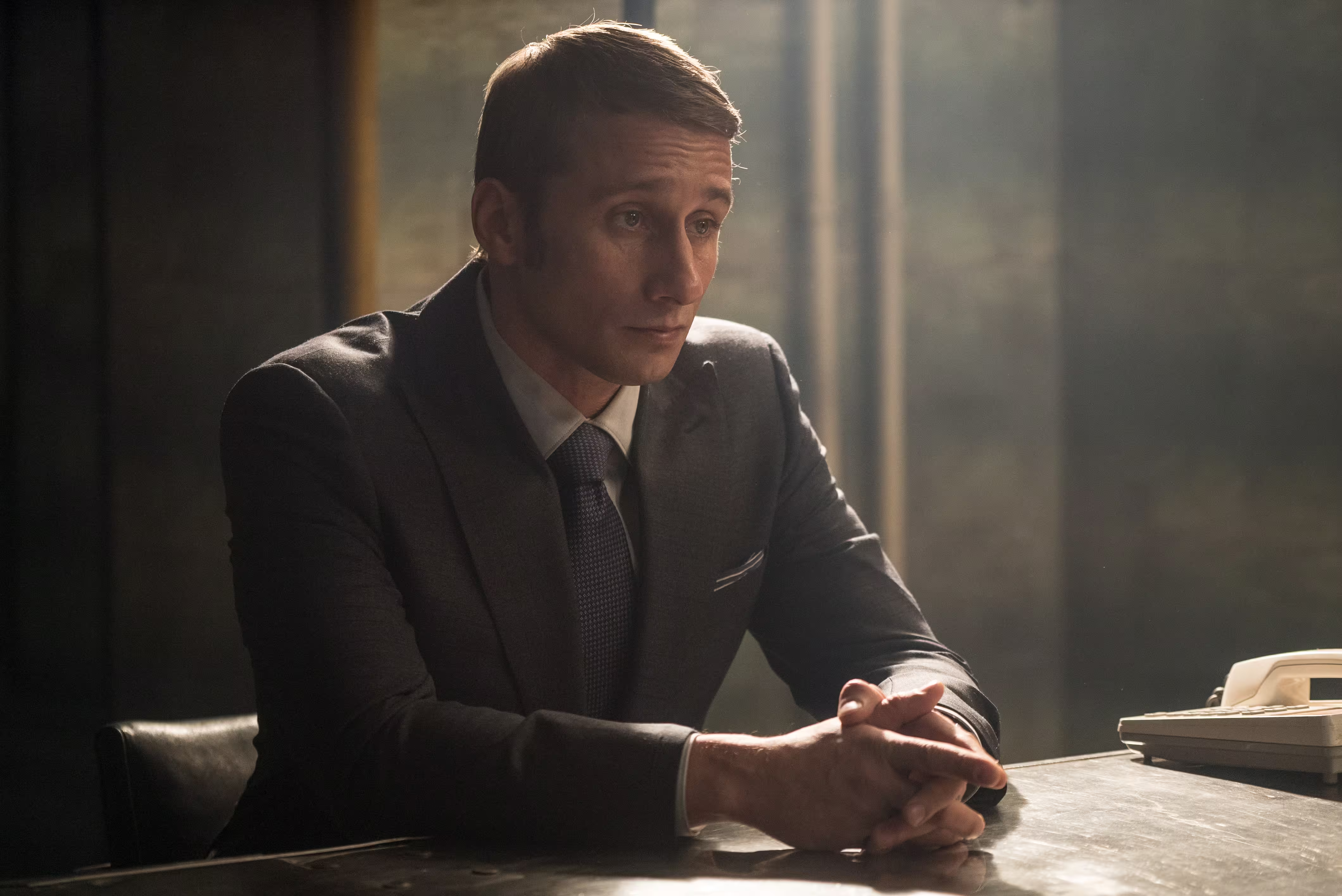
Studios react in different ways when a cast member faces off-screen legal problems. Some productions pivot quickly, recasting roles or reworking scripts; others proceed with filming while attempting to distance publicity and marketing from the implicated performer. In other cases, studios have delayed releases, commissioned reshoots or re-edited material to reduce an actor's screen presence. The calculus that Supergirl's producers now face will likely include a review of contract clauses related to morals clauses and criminal convictions, the financial cost of any creative change such as reshoots or recasting, the production schedule and release pipeline for the wider DC Universe slate, and the potential reputational risk to the brand. Each of these factors contributes to a complex decision matrix in which legal timelines and the possibility of appeal will weigh heavily.
Career Context and Community Reaction
Matthias Schoenaerts built a reputation for immersive, physically committed performances in both arthouse cinema and larger-scale productions. His acting is often cited for a raw intensity that can translate well into genre roles, which made his casting in a high-profile DC title notable for many observers. Fans and trade journalists framed the announcement as an indicator that the franchise was tapping serious dramatic talent, a trend that can elevate the perceived artistic ambitions of superhero films. Early responses on social media and fan forums are mixed: some viewers express disappointment and demand clarity from the studio about how the company will handle the situation, while others argue for a separation between an actor's off-screen conduct and on-screen work, at least until legal processes conclude. The split in public opinion reflects broader debates on accountability, rehabilitation and the responsibilities of media companies in responding to off-screen behaviour.
Film critic Anna Kovacs, a Brussels-based cinema analyst, offered a measured perspective: 'Schoenaerts brings a rare intensity to genre roles, which is why his casting resonated with enthusiasts. The industry now faces a familiar dilemma: protect a creative investment or address reputational risks — and that decision is never simple.' Her comment highlights the trade-offs producers regularly evaluate when a lead or notable supporting player becomes embroiled in controversy. For some creative teams, the loss of a distinctive performer creates artistic and logistical friction that they prefer to avoid unless circumstances make a change unavoidable.
Broader Perspective: How Legal Issues Affect Big-Budget Films
In the modern era of franchise filmmaking, legal and ethical controversies involving cast members can have outsized effects on marketing campaigns, distribution plans and the bottom line. Producers increasingly incorporate contingency planning into budgets and schedules precisely because a single incident can ripple through publicity, licensing, merchandising and partnerships. Typical mitigation approaches include crisis public relations strategies, contractual assessments to determine options for recasting or re-editing, and the financial planning required to absorb potential reshoot costs or marketing delays. In some instances, studios also consult external advisors and legal teams to determine whether a civil settlement, a public statement, or an internal disciplinary process is advisable. The Supergirl case underscores how off-screen conduct can become entangled with a film's commercial trajectory and artistic integrity.
Operationally, decisions at this stage can be driven by practicalities: how much of the actor's footage is completed, the availability of other cast and crew for reshoots, the location schedule and the timing of the film's planned release window. Reputation management is another key variable. The studio must anticipate how partners, advertisers, and global markets might respond; different regions and distribution partners can have divergent stances on public controversies, which complicates a uniform global approach. For a high-profile franchise title, even modest reputational damage can translate into measurable commercial impact across box-office, streaming deals and ancillary revenue streams.
Strategically, studios have options that range from minimal public comment while monitoring legal developments, to proactively distancing the film's marketing from the actor, to more drastic measures such as recasting. Each option carries costs: silence can be perceived as indifference, distancing can dilute a film's authenticity or fan goodwill, and recasting can be expensive and delay release. The optimal path usually depends on the legal certainty of the case, the public momentum of the story, and the actor's centrality to the film's narrative.
For audiences focused on performance and storytelling, the immediate practical question is whether Schoenaerts' role will remain intact and how the Supergirl creative team will manage communications surrounding the conviction. Fans and industry watchers will likely follow both the court timeline and production updates closely, seeking signals about any changes to casting, release timing, or promotional plans. Until DC Studios issues a statement or the legal appeal process reaches a conclusion, speculation will persist, and producers will need to balance transparency with legal prudence.
Schoenaerts retains the legal right to appeal the decision from the Beringen court, and in many legal systems an appeal can significantly alter the speed and finality of any sentence. Because the reported verdict was rendered in his absence and is described as open to appeal, enforcement of the sentence is not immediate; this procedural detail gives both the actor and the production a window in which outcomes can evolve. The coming weeks and months will determine whether this legal chapter becomes a brief footnote in a long career or a turning point that prompts contractual renegotiations and creative adjustments for the Supergirl production. Regardless of outcome, the situation highlights how off-screen legal issues intersect with contract law, public relations and the economics of big-budget filmmaking.

"I’m Layla. Series watcher, story-lover, fan of movie. If it’s worth your screen time, I’ll let you know!"

Discussion
Leave a Comment