
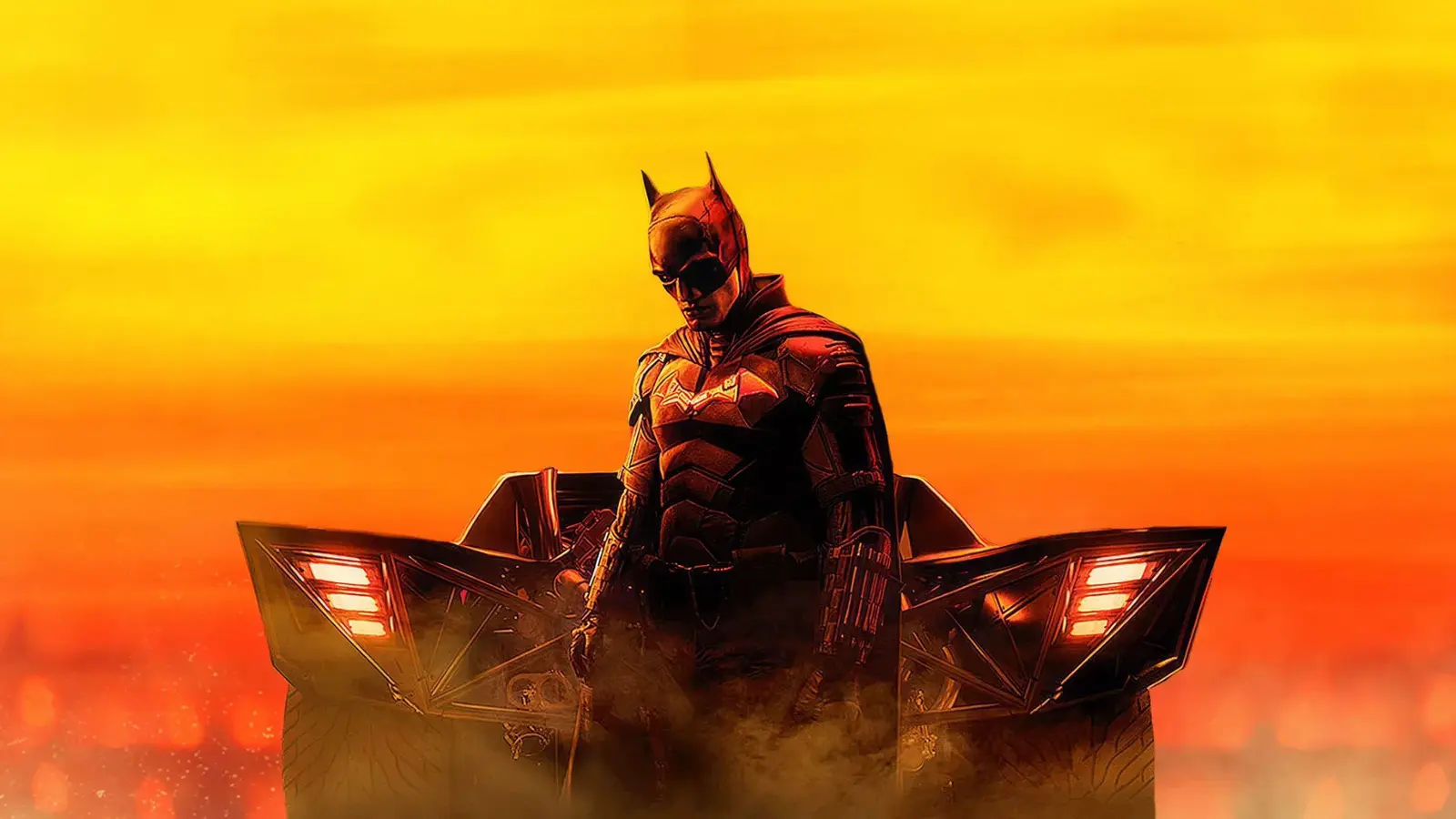
Big crew change for The Batman Part II
Matt Reeves has tapped Oscar-winning cinematographer Eric Messerschmidt as director of photography for The Batman Part II, the highly anticipated sequel that again stars Robert Pattinson as Bruce Wayne. The announcement, confirmed by Reeves and first reported in industry outlets, represents a notable creative shift after Greig Fraser—who shot the 2023 film—stepped away to pursue other projects. This change in the camera department may shape the sequel's visual identity and production approach.
Reeves returns to the director's chair with a script he co-wrote alongside Mattson Tomlin, and producer Dylan Clark remains attached to the project. Warner Bros. and DC Studios position the sequel as a cornerstone release for 2027: The Batman Part II is currently scheduled for October 1, 2027. While that date gives the production a defined target, production is expected to ramp up in spring after several delays tied to scheduling and development considerations. As pre-production expands, the new director of photography will be integral to refining look tests, lighting strategies, and shot lists that translate Reeves’ and Tomlin’s detective-led story into a coherent visual plan.
Why the cinematographer swap matters
Eric Messerschmidt earned his Academy Award for Best Cinematography for David Fincher’s Mank, and his recent credits include atmospheric, tightly controlled work on features such as The Killer and Ferrari. Messerschmidt’s visual signature often emphasizes precise lighting, controlled camera movement, and a strong tonal palette that supports psychological storytelling. By contrast, Greig Fraser—fresh from an Oscar win for Dune—introduced sweeping, textured vistas and large, monumental framing to the first Batman, using expansive compositions and tactile production design to emphasize scale and city-as-character.
The change of director of photography implies more than a personnel update: hiring a DP with Messerschmidt’s pedigree suggests Reeves may be steering the sequel toward a more intimate, noir-inflected cinematic language rather than the broad, operatic palette associated with Fraser’s Dune work. For fans who responded to the rain-soaked Gotham and kinetic street-level drama of the 2023 film, this swap signals both continuity and refinement. The mood—noir, rainy, urban—may remain familiar, but the framing could tighten, favoring psychological close-ups, shallow depth of field, and a choreography of light and shadow that prioritizes character interiority over monumental vistas.
Practically speaking, a director of photography shapes choices about lenses, camera formats, lighting schemes, and the interaction with production design and visual effects. Messerschmidt’s experience with Fincher-style precision on period and prestige projects suggests The Batman Part II might rely on careful blocking, measured camera moves, and a detailed previsualization process that helps Reeves and the editorial team achieve a consistent tone throughout principal photography and post-production. The DP’s collaboration with the colorist and VFX supervisors will also influence the final color grading, grain structure, and contrast, all of which contribute to the film’s overall feel—whether leaner and more psychological or still grand and operatic.

Context and industry patterns
Hiring top-tier cinematographers has become standard practice for filmmakers who want blockbuster-scale films with auteur-level visual distinction. Directors such as Christopher Nolan and Denis Villeneuve, among others, routinely collaborate with acclaimed directors of photography to ensure that genre work—whether science fiction, action, or superhero films—benefits from a deliberate, cinematic visual language. Reeves’ selection of Messerschmidt follows this broader industry trend and reinforces Warner Bros.' and DC Studios’ desire for The Batman franchise to stand apart stylistically within a crowded superhero slate.
Messerschmidt also brings extensive experience in high-end television—credits that include Mindhunter and Fargo—where he learned to balance serialized storytelling with cinematic visuals. Working in long-form series often requires aligning episodic pacing and lighting continuity with a consistent visual tone across multiple directors and departments. That background can be valuable on a franchise picture when the filmmakers aim to combine blockbuster scope with character-driven depth. Television pedigree also tends to favor tight collaboration with production design, costume, and VFX departments, which helps when a film needs to weave practical sets and digital extensions into a cohesive world.
Beyond stylistic considerations, labor and scheduling realities are part of the pattern. Top cinematographers are in demand across features, television, and streaming projects; their availability and project fit influence studios’ hiring decisions. Greig Fraser’s commitments and recent high-profile slate, including Dune, made him an obvious candidate for the initial Batman. Messerschmidt’s arrival suggests a recalibration—either creative or logistical—that will shape the sequel’s production timeline and on-set workflow.
Technical considerations and possible visual approach
While no official shot list or camera package has been released, patterns from Messerschmidt’s past collaborations and Reeves’ established sensibilities suggest likely technical directions. Expect a focus on controlled lighting setups, careful use of practical light sources to create motivated illumination, and selective depth-of-field to isolate characters within complex environments. Color grading could emphasize desaturated, noir-leaning hues with occasional saturated accents to heighten narrative moments; this approach supports a moody Gotham without sacrificing clarity in action sequences.
In terms of camera format, contemporary prestige films frequently use large-format digital sensors for their shallow depth of field and high-resolution capture, paired with carefully chosen lenses—often Cooke or Zeiss glass—to achieve a particular bokeh and rendition of skin tones. Messerschmidt’s previous work shows an attention to texture and surface detail, which can be enhanced with large-format capture, nuanced lighting, and a restrained use of motion that favors deliberate camera movement over frenetic handheld shots. That said, Reeves’ action sensibilities could still necessitate a mix of stabilized tracking, handheld coverage for street-level immediacy, and carefully composed long takes to sustain tension.
Lighting and production design will likely be tightly integrated. Reeves’ Gotham is a character built from architecture, rain, neon, and layered practical effects; Messerschmidt’s lighting choices will need to complement set dressing, costume palettes, and digital extension work. On-set workflows may emphasize extensive pre-lighting, union coordination for rigging night exterior sequences, and detailed light maps to preserve continuity across multi-unit shoots. Additionally, the collaboration between the DP and the VFX supervisor will be crucial for sequences that blend practical plates with CG backgrounds, especially if the sequel expands Gotham’s skyline or includes larger set pieces that require extensive post-production work.
Post-production, color timing, and visual effects pipeline
Post-production is where a film’s visual strategy is finalized, and the DP’s references and on-set decisions heavily inform the digital intermediate (DI) and VFX pipeline. Messerschmidt’s experience with Fincher-level post processes implies a rigorous DI stage with multiple passes to lock down contrast, black levels, and highlight roll-off. The colorist will collaborate closely with Reeves and Messerschmidt to translate on-set lighting intentions into a graded look that supports narrative beats, consistent mood, and VFX integration.
VFX workflow considerations include capture of high-dynamic-range plates, careful lens metadata recording, and a consistent approach to camera calibration that allows CG elements to match photographic plates. If Reeves and his production team opt for extensive practical effects—such as rain rigs, smoke, and on-location stunts—the DP’s framing will influence how well these elements composite with VFX additions. A cinematographer experienced in both feature and prestige television can streamline the feedback loop between editorial, VFX, and color to maintain visual consistency across a long and complex post schedule.
Production schedule, casting, and logistics
The announced release date—October 1, 2027—gives the production a clear window, but feature filming schedules often change. Pre-production tasks such as location scouting, production design builds, costume lock, stunt choreography, and visual effects previsualization generally take several months. Messerschmidt will likely be involved early in look tests and camera/lens tests to ensure the visual plan aligns with Reeves’ narrative intentions and the logistical realities of the shoot.
Principal photography is expected to ramp up in spring following the planning phase. That timeline must accommodate lead cast availability, including Robert Pattinson, and the shifting schedules of supporting talent and key crew. Large-set sequences and exterior night shoots are typically scheduled to optimize weather windows and urban permitting, and Gotham-heavy scenes often require extended city shoots or carefully constructed soundstage environments. Studio decisions around marketing windows, post-production time for visual effects, and promotional commitments can also affect when crews begin and wrap.
Fan expectations and narrative possibilities
DC has kept plot details under wraps, which fuels fan speculation. Casting announcements, crew choices, and the release plan offer early clues about the sequel’s ambitions. With Messerschmidt in the camera chair, there are early signs the film could double down on grounded detective work and psychological drama—elements that defined the 2023 entry—while refining the visual tone to emphasize intimacy and suspense.
However, studio strategy and franchise planning could still steer the narrative toward broader DC integration. Whether The Batman Part II remains a self-contained noir detective story or expands into larger DC confrontations could determine production scales, stunt needs, and VFX demands. If Reeves chooses to preserve the original film’s detective-centric focus, audiences should expect sequence design that privileges mood, interrogation-style confrontations, and close-quarter set pieces. If the sequel leans into franchise building, larger action set pieces and more explicit crossovers may appear, which would require different cinematography and visual effects approaches to maintain coherence with the overall DC visual ecosystem.
Short closing note
With Reeves, Pattinson, and now Messerschmidt aligned, The Batman Part II has assembled a team that blends blockbuster muscle with arthouse sensibility. That mixture promises a visually distinctive sequel that could deepen Bruce Wayne’s detective arc while offering cinematic visuals that stand out within the contemporary superhero landscape. As production advances, fans and critics will watch how cinematography choices, production design, and editorial rhythm coalesce to define the next chapter of this high-profile franchise.
Key SEO topics covered in this piece include cinematography, director of photography, Eric Messerschmidt, Matt Reeves, Robert Pattinson, Warner Bros., DC Studios, Gotham, visual style, production schedule 2027, and film production techniques. These keywords are woven naturally through the article to improve discoverability while avoiding repetitive keyword stuffing.

"I’m Layla. Series watcher, story-lover, fan of movie. If it’s worth your screen time, I’ll let you know!"

Discussion
Leave a Comment