
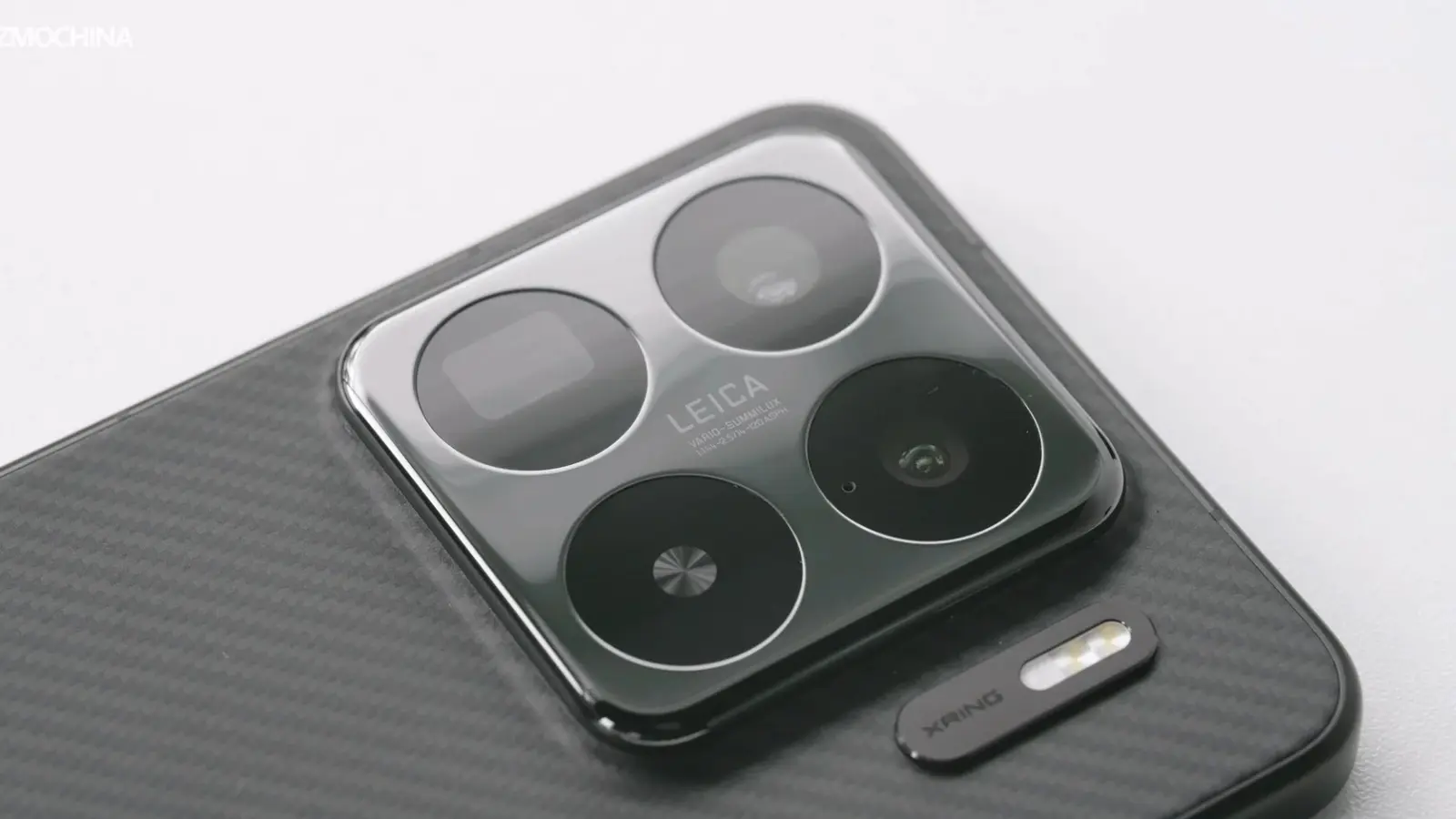
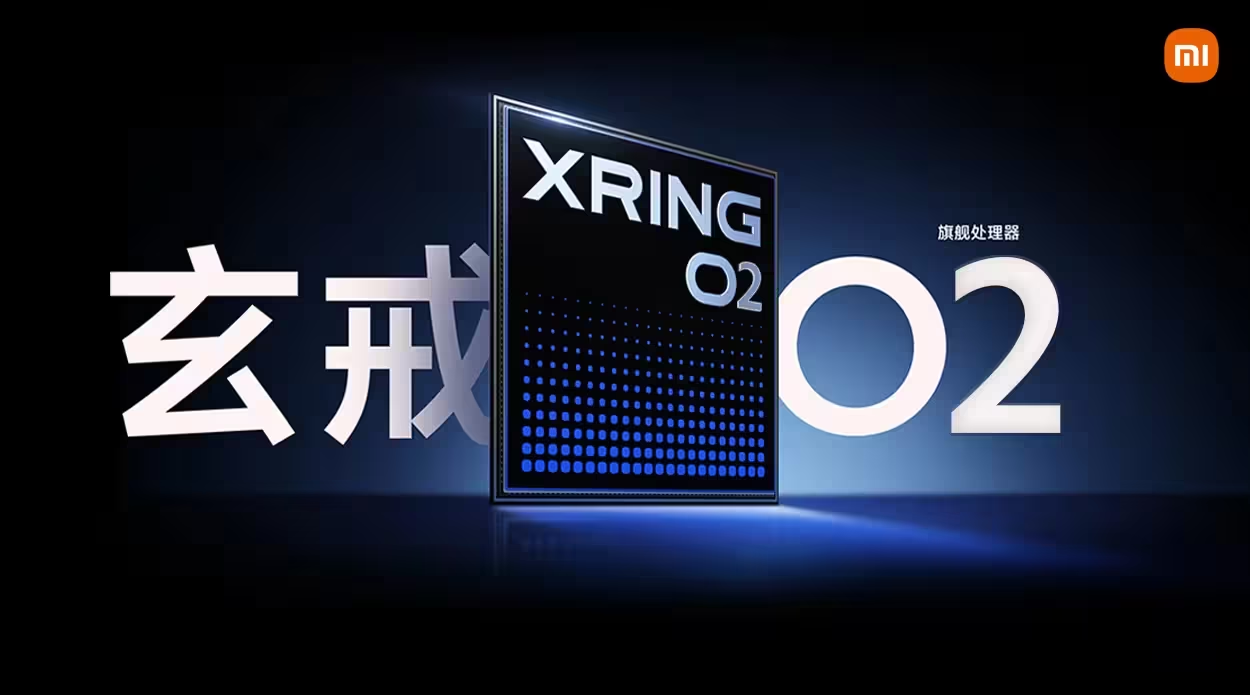
Xiaomi is quietly stepping up its silicon game. After introducing the Xring O1 in the 15S Pro, new leaks suggest the company is already developing the next iteration — the Xring O2 — which could power a China-only Xiaomi 17S lineup in 2026.
What the leak says — and why it matters
Popular Chinese tipster Smart Pikachu reports that the Xiaomi 17S series is in development and will likely carry the brand’s second-generation Xring O2 chip. The 15S Pro earlier this year marked Xiaomi’s first serious push into home-grown processors, replacing Qualcomm silicon in a mid-cycle refresh. That switch was more strategic than spectacular, but it established an important precedent: Xiaomi wants less dependency on external chipmakers.
According to the leak, the 17S will continue that trajectory with improved performance and a more mature baseband design. Network components are reportedly still being refined, which aligns with expectations of a 2026 debut rather than an immediate launch. That extra development time could be Xiaomi’s way of sharpening signal stability and modem integration before a wider rollout.
Expected tech highlights
- Second-generation Xring O2 chip, promising a notable performance boost over the O1.
- Possible use of ARM’s new Travis CPU core, which could drive the biggest leap in processing performance.
- Refined baseband and network architecture under development, pointing to a 2026 release window.
- Likely limited to the Chinese market initially, giving Xiaomi room to iterate on real-world performance.
For now, global Xiaomi flagships will probably continue using established Qualcomm platforms while the company perfects its in-house silicon. Keeping the 17S series China-exclusive would let Xiaomi test the Xring O2 at scale without risking its worldwide flagship reputation.
Whether the O2 can match or outpace Qualcomm’s leading chips will hinge on both raw CPU/GPU performance and the maturity of the modem stack. It’s one thing to design a fast chip; it’s another to ensure reliable connectivity across diverse networks — and Xiaomi seems to be taking that second part seriously.
In short: the Xring roadmap looks like more than a short-term experiment. Xiaomi has moved from proof-of-concept to iteration, and if the leaks hold true, 2026 could be the year its home-grown silicon takes a more prominent place in its smartphone lineup.

“I cover emerging technologies, digital innovation, and the intersection of tech and everyday life. My goal is to make complex trends accessible and inspiring.”

Discussion
Leave a Comment