
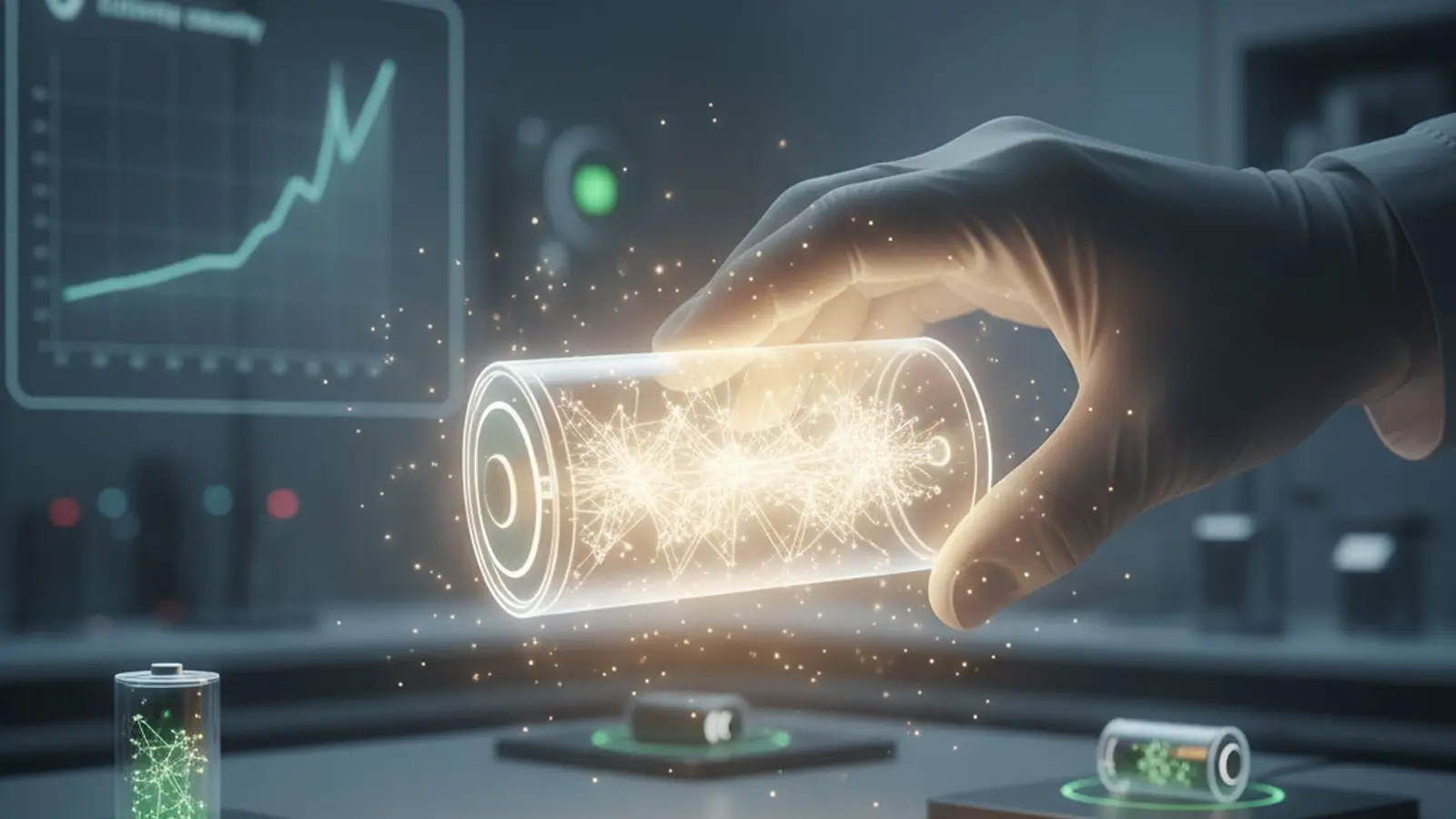
A few weeks ago, while waiting for my phone to charge, I caught myself doing something ridiculous — staring at the battery icon, willing it to turn green faster. It made me realize how much our lives now revolve around charging: phones, laptops, cars, watches. We’re always plugged in, waiting.
But quietly, far from the spotlight, a new wave of battery technologies is reshaping that waiting game. You may not hear much about it on the news, but in labs from Seoul to Stockholm, engineers are rewriting the rules of energy.
From Lithium to What’s Next
For decades, lithium-ion batteries have powered nearly everything portable — a reliable workhorse since the 1990s. But they’re not perfect. They overheat, rely on rare materials, and struggle to keep up with our demands.
Now, companies like Toyota and QuantumScape are betting on solid-state batteries — ones that can charge in minutes, last longer, and won’t catch fire if you drop your phone. Others, like CATL in China, are exploring sodium-ion alternatives: cheaper, more sustainable, and easier to source.
It’s not the kind of tech that gets headlines like AI or blockchain, but it’s arguably more important. Because without better batteries, the green future we’re promised — electric cars, renewable grids, smart cities — stays out of reach.

Why This Matters More Than You Think
Think about it: renewable energy is useless if we can’t store it. The sun doesn’t shine at night; the wind doesn’t blow on schedule. Batteries are the bridge between energy generation and energy use.
That’s why governments are quietly pouring billions into research. The European Union alone has funded more than €5 billion in next-gen battery projects. Because the next energy revolution won’t come from oil or solar panels — it’ll come from what’s between them.
The Challenges No One Talks About
Still, the road is bumpy. Solid-state batteries are expensive to mass-produce. Sodium-ion packs weigh more. Recycling is messy and lagging behind. And consumers? We’re impatient — we want smaller, faster, safer, cheaper, all at once.
But revolutions don’t always start loud. Sometimes they hum quietly inside factories, hidden in the circuitry of prototypes we haven’t seen yet.
The Takeaway
So next time you plug in your phone or your car, take a second. The little battery icon you glance at is part of a much bigger story — one that could define how we live, move, and power the world in the next decade.
And like most revolutions, you probably won’t notice it until it’s already here.

“I cover emerging technologies, digital innovation, and the intersection of tech and everyday life. My goal is to make complex trends accessible and inspiring.”

Discussion
Leave a Comment