
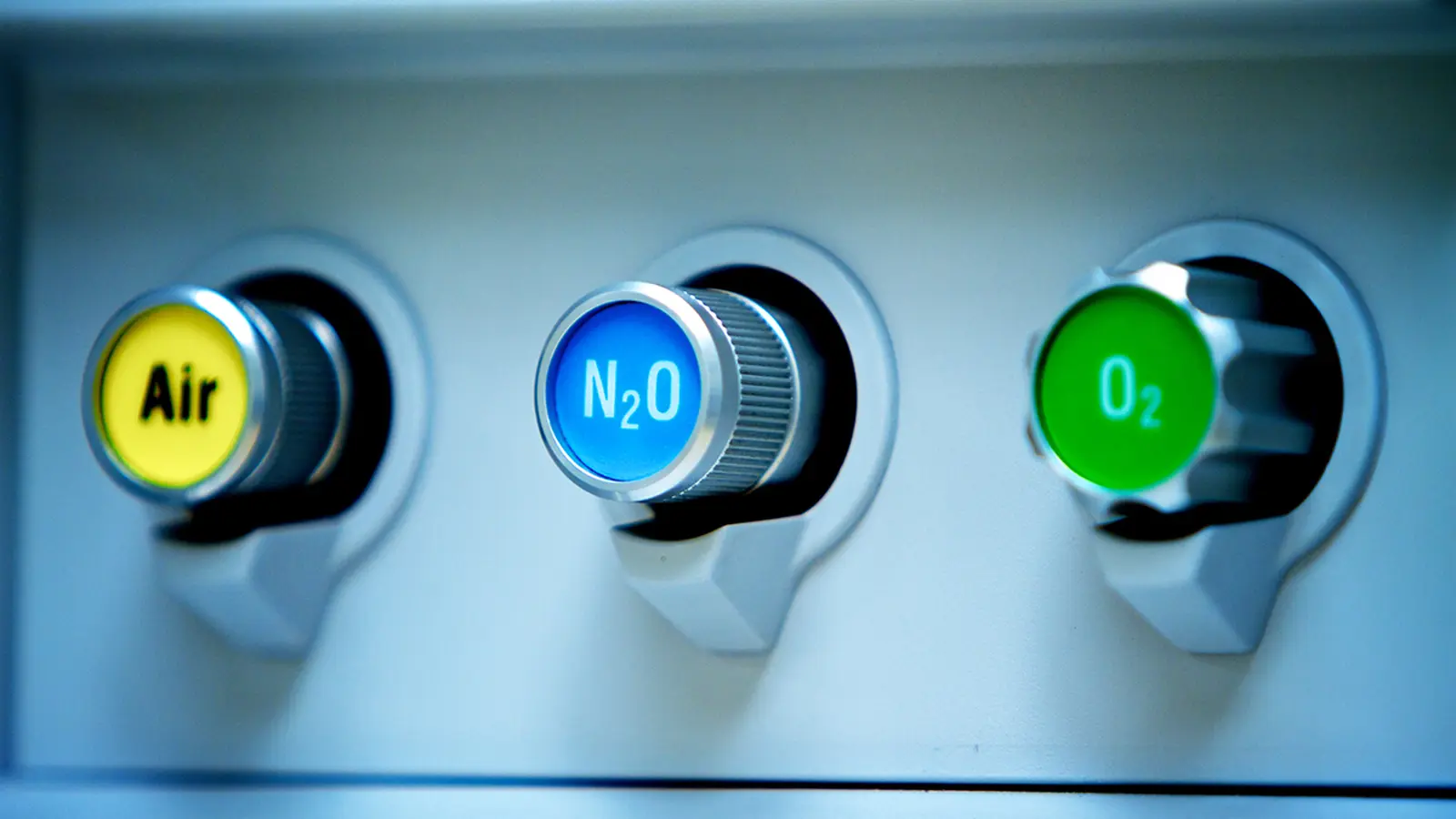
A new review from researchers at the University of Birmingham and the University of Oxford shows that controlled doses of nitrous oxide — commonly known as laughing gas — can produce fast, meaningful reductions in depressive symptoms for some people, including those with treatment‑resistant depression.
What the trials examined and what they found
The team analysed seven clinical trials with 247 participants and four planned trial protocols. Volunteers inhaled nitrous oxide at concentrations of 25% or 50%, and outcomes were compared with placebo inhalations. Across studies, the higher 50% concentration tended to produce the strongest and fastest relief, but this was offset by a greater frequency of short‑term side effects such as nausea, headaches and transient dissociation.
Importantly, measurable improvement in mood could appear within two hours of a single administration. That rapid onset makes nitrous oxide part of a growing class of fast‑acting interventions — similar in clinical interest to ketamine — aimed at reducing acute suicidal ideation and severe depressive episodes when conventional antidepressants take weeks to work.

Laughing gas (represented by the red circles) may work against depression by dampening signaling between neurons.
How nitrous oxide might act on the brain
Researchers suggest the antidepressant effects may stem from nitrous oxide's ability to modulate the glutamatergic system — the network of neurons that use glutamate, a principal excitatory neurotransmitter. Dysregulated glutamate signalling has been implicated in major depressive disorder (MDD) and in cases that do not respond to standard treatments (treatment‑resistant depression, TRD).
In addition to neurotransmitter effects, nitrous oxide increases cerebral blood flow, which could improve exchange of gases, metabolic waste and nutrients in the brain. Understanding whether the benefit comes primarily from synaptic modulation, vascular effects, or a combination will be key to tailoring dosing strategies and identifying which patients are most likely to benefit.
Clinical implications and safety considerations
Clinicians quoted by the review emphasise both the promise and the caution: fast relief may be life‑changing for patients who have exhausted other options, yet effects observed so far are often short‑lived unless dosing is repeated. Repeated administrations might extend benefit, but raise questions about long‑term safety, logistical delivery in clinical settings and monitoring for adverse effects.
As consultant psychiatrist Steven Marwaha at the University of Birmingham notes, the findings are particularly encouraging for patients who may have 'lost hope of recovery.' Clinical psychologist Kiranpreet Gill highlights that the evidence provides a starting point for future trials designed to test repeated and carefully managed dosing regimens.
Next steps for research and practice
Future work needs larger randomized trials, longer follow‑up and head‑to‑head comparisons with other rapid‑acting treatments. Researchers must also refine optimal concentrations and schedules that balance speed and durability of effect with tolerability. If validated, nitrous oxide could join a new generation of rapid‑acting interventions for severe depression, expanding options for people who do not respond to existing therapies.
Until then, nitrous oxide should be considered experimental for depression and administered only in controlled research or specialist clinical settings with appropriate monitoring.

“The cosmos has always fascinated me. I write about space missions, astronomy, and the technologies pushing humanity beyond Earth.”

Discussion
Leave a Comment