
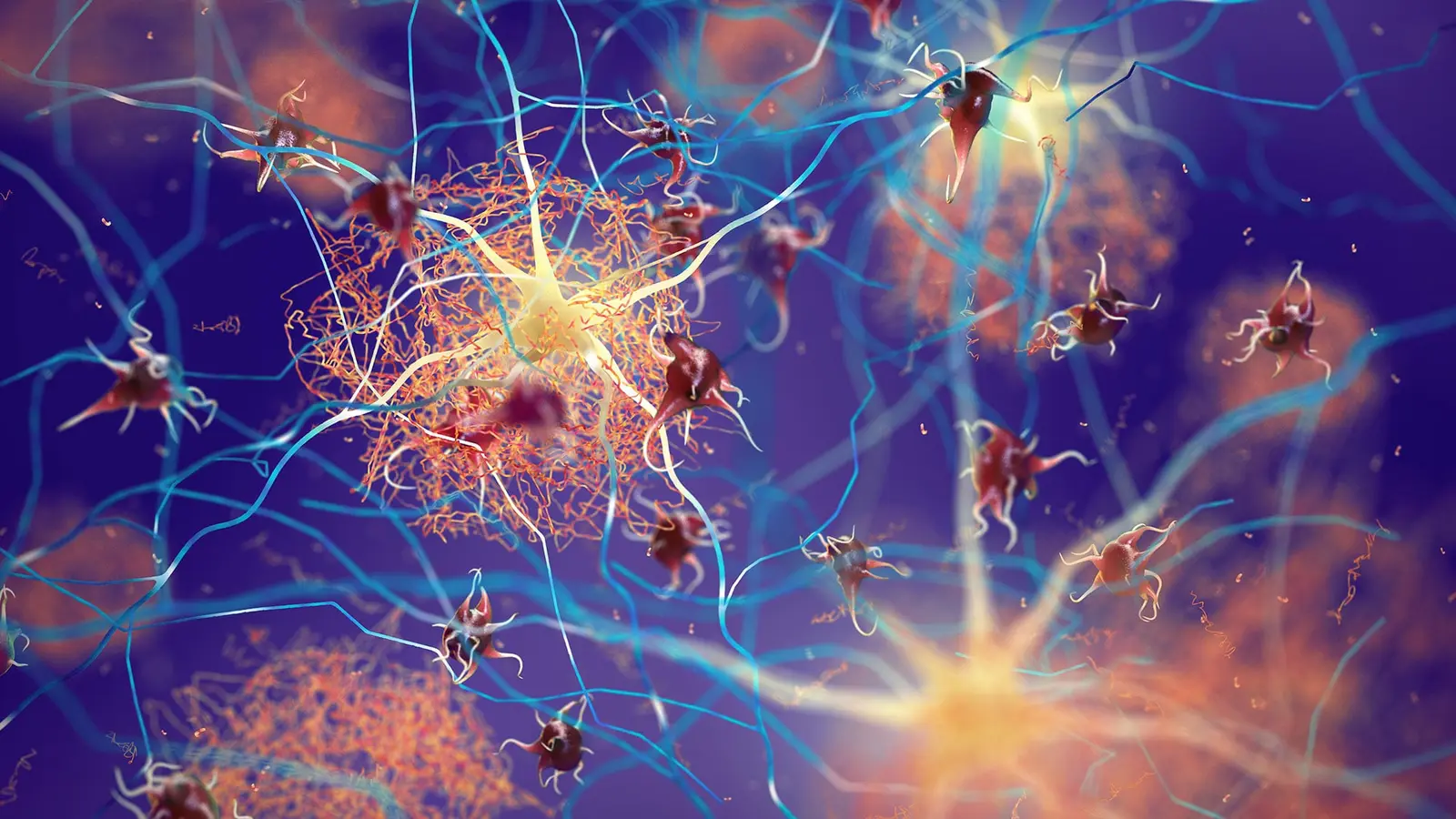
A large, unexpected public‑health rollout in Wales has produced one of the clearest population‑level signals yet that a vaccine against shingles may reduce the risk of dementia and even slow its progression. A Stanford Medicine analysis of Welsh health records found that older adults who received the live‑attenuated shingles vaccine were about 20% less likely to be diagnosed with dementia over seven years than otherwise similar people who did not receive the shot.
The Welsh "natural experiment" and why it matters
Shingles is caused by varicella‑zoster virus (VZV), the same pathogen that causes chickenpox in childhood and then lies dormant in nerve cells for decades. When VZV reactivates in older or immunocompromised people it produces a painful rash and nerve inflammation. For years clinicians and researchers have speculated that infections that target the nervous system could contribute to long‑term cognitive decline. But demonstrating a causal link between an infection and dementia is difficult in real‑world data because vaccination is tied to other health behaviors: people who get shots often have healthier lifestyles, better access to care, or more preventive interactions with clinicians.
Stanford researchers led by Pascal Geldsetzer exploited a quirk in a 2013 Welsh vaccination policy to avoid that confounding. The program made the live‑attenuated shingles vaccine available for a single year to people who were exactly 79 on Sept. 1, 2013, with eligibility shifting down one year each subsequent year. Those aged 80 or older on Sept. 1, 2013, were never made eligible. That one‑year eligibility window created a sharp age cutoff — a near‑random difference between people who turned 80 a week before the cutoff and those who turned 80 a week after — and allowed investigators to compare groups who were essentially identical except for vaccine access.
This kind of analysis is often called a natural experiment or regression‑discontinuity design: when administrative rules create a discrete difference in treatment eligibility at a precise threshold, researchers can treat the cutoff like a randomized assignment. In the Welsh case the records of more than 280,000 adults aged 71–88 were available; the Stanford team focused on those closest to the eligibility threshold to minimize background differences.

What the study found: dementia, shingles, and survival
Over seven years of follow‑up the investigators observed three headline outcomes. First, receiving the live‑attenuated shingles vaccine reduced the incidence of shingles by roughly 37%, a finding consistent with randomized trials of that vaccine, whose protection wanes over time. Second — and most striking for dementia research — eligible people who received the vaccine were about 20% less likely to receive a dementia diagnosis than similar people who did not receive it.
Third, the team found evidence that the vaccine’s benefits extended across the clinical spectrum: vaccinated people were less likely to be diagnosed with mild cognitive impairment (MCI) — often a precursor to dementia — and individuals who received the vaccine after already having a dementia diagnosis were less likely to have dementia recorded as a cause of death during follow‑up. Among the Welsh seniors with dementia at baseline, nearly half died from dementia during the follow‑up period; for those vaccinated after diagnosis, dementia‑listed deaths fell to about 30%.
Those patterns held up under numerous sensitivity checks. The researchers compared nearby birth cohorts and examined other potential confounders such as education, comorbid conditions (diabetes, cardiovascular disease, cancer), and uptake of other preventive services; none of these differed meaningfully between the eligible and ineligible groups. The protective association persisted whether the team analyzed mortality from dementia or new diagnoses of cognitive impairment. In short, the rollout’s peculiar age rule reduced the usual bias found in observational vaccine studies and produced an effect that remained robust across alternative analyses.
Sex differences and replication
Another notable pattern was that protection appeared stronger in women than in men. The reasons are not yet clear; biologically, women tend to mount higher antibody responses to vaccines and also have higher rates of shingles, both of which could magnify any downstream cognitive benefit. Behavior, comorbidities, and diagnostic patterns may also factor in. Importantly, the Welsh findings have not stood alone: Geldsetzer’s team reports similar protective signals in health‑record analyses from England, Australia, New Zealand, and Canada when those countries had comparable vaccine rollouts.
How a shingles vaccine might reduce dementia risk
The study does not prove a specific mechanism, so the biological explanation remains speculative but plausible. Dementia is a clinical syndrome with many causes; Alzheimer’s disease, characterized by amyloid plaques and tau tangles, is the most common subtype, but vascular disease, inflammation, and infectious agents are all contributors. If VZV reactivation in peripheral or central nervous system tissues provokes persistent inflammation, neuronal injury, or microvascular damage, preventing reactivation could plausibly reduce cumulative brain injury and delay or prevent cognitive decline.
Possible mechanisms include:
- Direct prevention of VZV reactivation in nerve tissue, reducing episodes of neuroinflammation.
- Broader modulation of the immune system: vaccination may induce systemic immune responses that help clear or control other pathogens linked to neurodegeneration.
- Indirect effects through reduced painful episodes and stress, leading to better sleep and reduced cortisol exposure — factors that influence cognitive health.
Which of these, if any, accounts for the observed 20% reduction is unknown. The Welsh study used a live‑attenuated vaccine; newer recombinant shingles vaccines (which contain specific viral proteins and an adjuvant) are more effective at preventing shingles. It remains an open question whether the recombinant formulation would have a similar or larger association with dementia risk, and whether any protective effect depends on the vaccine type.
Study limitations and why randomized trials matter
Despite the near‑random nature of the eligibility cutoff, observational work cannot definitively establish causation the way a randomized controlled trial (RCT) can. The Welsh policy minimized many forms of bias, but residual confounding from unmeasured factors — for example, subtle differences in care‑seeking behaviors or in how clinicians record dementia diagnoses — could still influence results. Administrative data also rely on diagnostic coding, which can undercount or misclassify cases of dementia and MCI.
For those reasons Geldsetzer and colleagues argue that the strongest next step is an RCT that randomly assigns older adults to receive the live‑attenuated vaccine or a placebo and follows them for clinical and cognitive outcomes. Such a trial would be straightforward from an operational standpoint: the vaccine is administered once and has a well‑known safety profile. However, because the specific evidence reported to date comes from a vaccine now off‑patent and because the most effective current vaccine is recombinant, designing a pragmatic trial would require careful choice about which formulation to test and how to fund a study that could deliver definitive results.
Expert Insight
"These findings are exactly the sort of signal we need to pursue in a controlled setting," says Dr. Laila Raman, a neurologist and clinical researcher not involved with the Stanford study. "The Wales data are compelling because of how the program was staged, but an RCT would settle whether this association is causal. If it is, the implications are huge — we could repurpose an existing vaccine as a low‑cost intervention to delay cognitive decline."
Dr. Raman highlights practical considerations: "We should target trials at populations with the highest expected benefit, monitor cognitive endpoints that are clinically meaningful, and compare vaccine formulations. We also need mechanistic studies alongside trials to understand how antiviral immunity might intersect with neurodegenerative pathways."
Policy implications and future research directions
If the association between shingles vaccination and lower dementia risk holds up in randomized trials, the public‑health implications would be immediate. Dementia affects tens of millions worldwide and carries enormous social, clinical, and economic burdens. A safe, already‑available vaccine that reduces incidence or slows progression could become a cornerstone of dementia prevention strategies alongside lifestyle interventions and vascular risk management.
But translating observational signals into policy requires caution. Policymakers will weigh the strength and reproducibility of evidence, the magnitude of benefit across different populations, the cost and supply of vaccines, and potential tradeoffs in vaccine prioritization. Because the live‑attenuated vaccine used in the Welsh rollout is less effective in very elderly or immunocompromised people and because recombinant vaccines offer higher protection against shingles, future research must clarify which vaccine types deliver cognitive benefit, in whom, and at what ages.
Research priorities that emerge from the Wales analysis include:
- Large randomized trials comparing vaccine formulations with cognitive and clinical endpoints.
- Mechanistic studies using biomarkers of neuroinflammation, cerebrospinal fluid markers, and neuroimaging to link antiviral immune responses to brain pathology.
- Population studies in diverse settings to confirm generalizability across ethnic groups and healthcare systems.
- Health‑economic modeling to estimate the potential return on investment of vaccination programs aimed at dementia prevention.
Geldsetzer and colleagues are actively pursuing additional analyses and have reported similar protective patterns in other national datasets. They are also seeking philanthropic support to mount a randomized trial testing whether the observed protective association is causal. Given the one‑off nature of a shingles vaccination and its established safety, such a trial could be executed pragmatically and — importantly — could produce actionable answers faster than many other prevention trials.
Conclusion
The Stanford‑led analysis of the Welsh vaccine rollout adds strong epidemiological evidence to a growing hypothesis: preventing reactivation of neurotropic viruses may reduce the burden of dementia. While the findings stop short of proving cause and effect, the natural experiment design, robust sensitivity analyses, and replication in other datasets make the signal hard to ignore. A randomized trial would be the clearest way to determine whether a shingles vaccine can become a scalable tool in dementia prevention and care, and given the potential public‑health payoff, that trial now ranks high on the agenda for researchers and funders.

“The cosmos has always fascinated me. I write about space missions, astronomy, and the technologies pushing humanity beyond Earth.”

Discussion
Leave a Comment