
From on-air controversy to corporate strategy
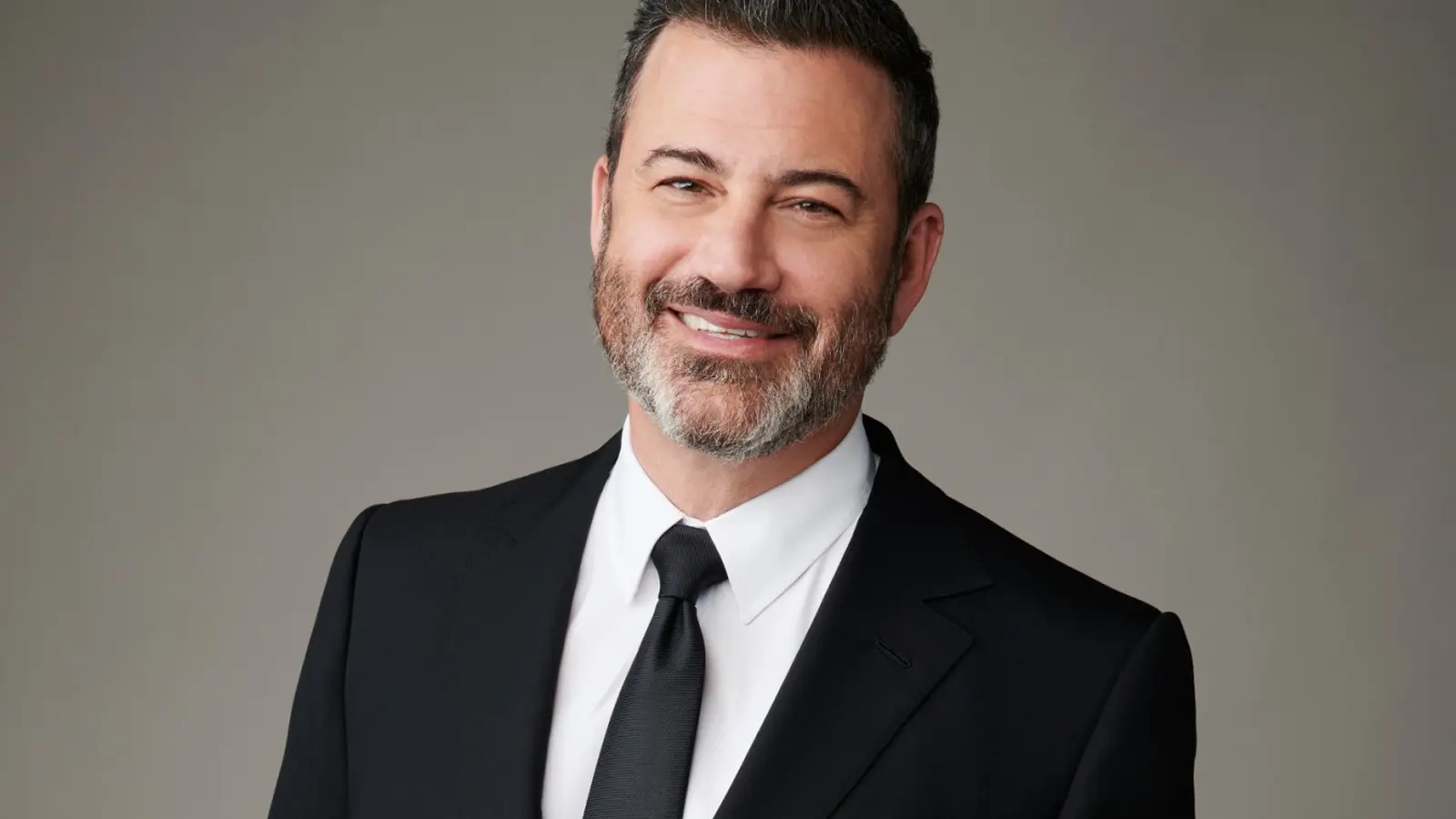
Jimmy Kimmel stepped back into the public conversation this week with a candid, wide-ranging appearance at Bloomberg's Screentime event — his first extended interview since the uproar over comments he made about the person who killed Charlie Kirk. Rather than retracing the headlines, Kimmel focused on the conversations that followed and the people who helped steady the ship: notably Bob Iger and Disney Entertainment Co-Chair Dana Walden.
Kimmel said the situation was less about his words and more about how those remarks were amplified by partisan outlets. He credited Walden with playing a crucial role in smoothing things over after ABC briefly pulled Jimmy Kimmel Live! from broadcast. 'I ruined Dana's weekend,' he joked, describing nonstop calls that ultimately led to what he called a positive outcome for both the show and the company.
Why Dana Walden?
When the topic turned to Disney's leadership, Kimmel didn't mince words: he thinks Dana Walden would make an excellent CEO. His endorsement isn't just a parade-stopping headline — it points to a deeper industry truth. Walden has overseen high-profile content and navigated corporate tensions between creative talent and executive decision-making. In an era when studios must balance streaming economics, franchise stewardship, and global markets, Kimmel framed Walden as someone who understands both the creative and corporate sides of entertainment.
This isn't an isolated call for change. The demand for leaders who can shepherd legacy media companies into streaming-first futures has been building — think of recent management shifts at Warner Bros. Discovery and Peacock's strategic adjustments. Kimmel's public support for Walden adds celebrity pressure to a broader industry conversation about who can best marry studio culture with shareholder expectations.
On his late-night future — and the business of talk shows
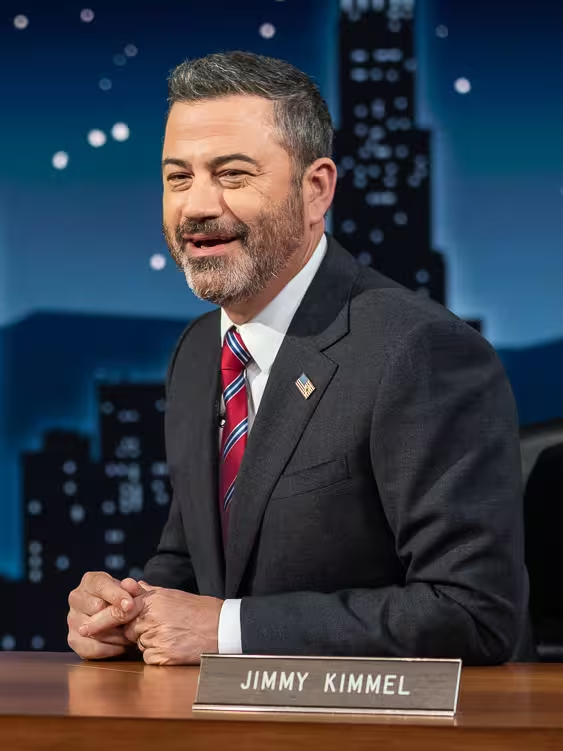
Despite often teasing contract exits in the past, Kimmel wouldn't commit to whether he'll return after next year's deal expires. 'I often answer that question, and then I do the opposite of what I said previously,' he said, admitting that proclaiming a 'final' contract line has become a running joke that only upsets his staff.
He did share an illuminating figure: late-night programming budgets — across shows like his and The Tonight Show — can total nearly $120 million a year. Kimmel argued that such high costs aren't strictly necessary, reminding listeners that the late-night machine originally existed as a cheap way to harness big-name talent for promotional value. The economics have shifted: streaming, clip virality, and reduced lead-in audiences mean networks must rethink whether the traditional late-night budget model still makes sense.
YouTube, ratings and cultural reach
A frank thread in the interview was the tension between linear ratings and digital reach. Kimmel said he's never deliberately crafted the show for YouTube — ABC pays the bills while YouTube monetizes clips — but he appreciates the platform's global reach. 'All you really want deep down is for as many people to see your stuff as you can,' he said.
That strategy helps drive cultural moments (viral monologues, sketches that enter pop culture), but it may cannibalize traditional overnight viewership. Kimmel suggested the decline in lead-ins is a more likely culprit for falling Nielsen numbers than posting clips online. The result is a late-night landscape that thrives in social feeds even as network primetime audiences shrink.
Politics, guests and a high-profile invite
Asked if he'd host controversial figures like FCC Chair Brendan Carr or former President Donald Trump, Kimmel offered a surprising line: he'd 'love to have Trump on the show, for sure.' Whether such an appearance would be editorially wise or ratings gold is a different question — and it raises broader issues about the role late-night comedy plays in today's polarized media ecosystem. Is a late-night desk a platform for civic engagement, a ratings tool, or both?
How this resonates with film and TV watchers
For movie and series fans, the interview is a reminder that television's gatekeepers — executives like Walden or Iger — affect the pipeline from studio to screen. Decisions on leadership influence what content gets prioritized, how franchises are managed, and how cross-promotion between TV, film, and streaming unfolds. Kimmel's remarks underscore the interconnectedness of late-night promotion and studio strategy: a healthy late-night ecosystem still matters for filmmakers, showrunners, and actors seeking visibility.
'In today’s media environment, leadership decisions at companies like Disney impact storytelling across platforms,' says cinema historian Marko Jensen. 'A CEO who understands both the art and the ledger can preserve creative ambition while steering a complex global business. That balance matters for audiences and creators alike.'
Context and critical angles
Compare Kimmel's stance to other late-night hosts: Jimmy Fallon has publicly avoided political confrontation to preserve reach, whereas hosts like Samantha Bee have leaned into topical criticism. Kimmel's willingness to court a range of guests — even divisive ones — shows the balancing act hosts face between comedic instincts, corporate relationships, and audience expectations.
From an industry perspective, the episode illustrates two concurrent trends: the decentralization of audience attention (via YouTube and streaming) and an ongoing reevaluation of legacy cost structures for shows that once served primarily as promotional vehicles. Studios may cut budgets, repurpose formats, or reconfigure late-night as hybrid live/digital products to stay relevant.
This interview didn't settle any boardroom questions — it highlighted personalities, power dynamics, and the fragile ecosystem connecting talent, networks, and the public sphere.
In short: Kimmel stands by his peers, backs Dana Walden as a leader who can bridge creative and corporate priorities, and remains inscrutable about his own future. But he made one thing clear — the conversation around late-night TV is far from over, and its trajectory will shape how films and series are promoted and discovered for years to come.

"Hey! I’m John. Whether it's about films or the latest streaming hits, I’m here to bring you everything!"

Discussion
Leave a Comment