
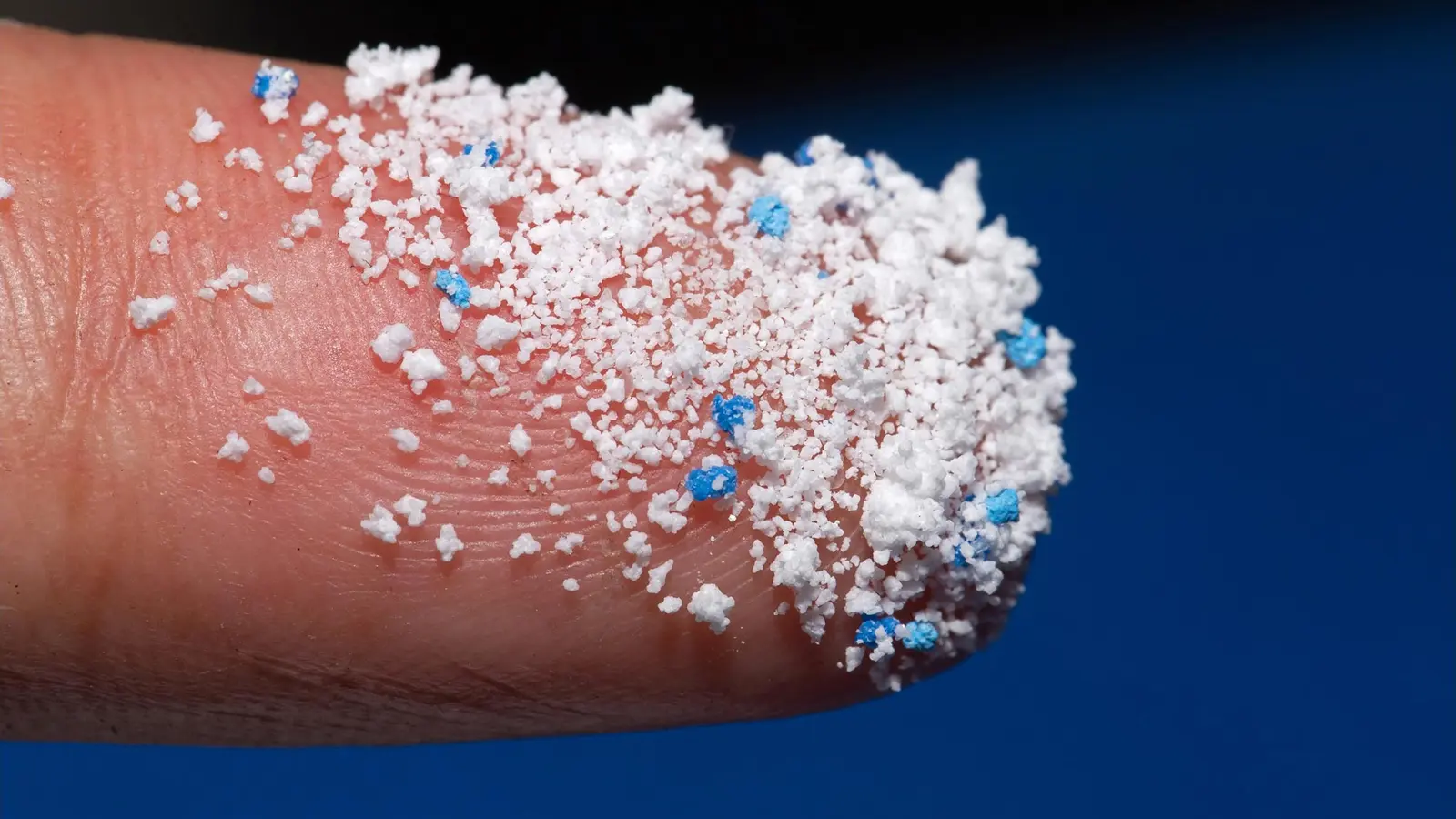
New research is mapping how tiny plastic particles—microplastics—could inflame and damage the brain, potentially accelerating neurodegenerative diseases such as Alzheimer’s and Parkinson’s. Scientists have identified multiple biological pathways by which these particles may disrupt brain cells, energy production, and the brain’s protective barriers.
Emerging research suggests microplastics may influence the biological processes linked to Alzheimer’s and Parkinson’s disease, potentially intensifying inflammation, oxidative stress, and cellular dysfunction in the brain.
Five biological routes of harm
A systematic review published in Molecular and Cellular Biochemistry synthesizes international evidence and highlights five principal mechanisms through which microplastics may damage the brain. The authors—researchers from the University of Technology Sydney (UTS) and Auburn University—describe how these particles can:
- Activate immune cells in the brain, triggering neuroinflammation.
- Raise oxidative stress by increasing reactive oxygen species and impairing antioxidant defenses.
- Compromise the blood–brain barrier, making it more permeable to toxins and immune factors.
- Interfere with mitochondrial function and reduce ATP production, starving neurons of energy.
- Cause direct structural injury to neurons and promote protein aggregates linked to disease.
Associate Professor Kamal Dua (UTS) explains that microplastics are often treated by the body as foreign invaders. 'When the blood–brain barrier becomes leaky, immune cells and inflammatory molecules gain access and can damage the barrier’s cells further,' he said, summarizing the review’s central concern.
What the terms mean — briefly
Oxidative stress occurs when reactive oxygen species (unstable molecules) outpace the body’s antioxidant defenses, causing molecular damage. The blood–brain barrier is a tightly regulated cellular layer that shields the brain from pathogens and many toxins. Mitochondria produce ATP, the chemical fuel neurons need; when mitochondrial function is impaired, cells falter and may die.

Plastic cutting boards are a source of microplastics
Links to Alzheimer’s and Parkinson’s biology
The review also connects these mechanisms to hallmark features of major neurodegenerative diseases. For Alzheimer’s disease, microplastic-driven inflammation and oxidative stress may promote accumulation of beta-amyloid plaques and tau tangles—proteins that disrupt neuronal communication. In Parkinson’s, similar stressors may encourage aggregation of α-synuclein and selectively harm dopaminergic neurons, which are crucial for movement control.
These processes are not independent. Reduced ATP from mitochondrial dysfunction can worsen oxidative stress, which in turn amplifies inflammation. Over time, the interacting pathways create a damaging feedback loop that can accelerate neuronal decline.
Sources of exposure and population risk
Associate Professor Dua and colleagues estimate adults ingest roughly 250 grams of microplastics per year—an amount they compare to the size of a dinner plate. Common exposure routes include contaminated seafood and salt, food packaged or stored in plastics, tea bags, synthetic clothing fibers shed into dust, and wear from plastic household items such as cutting boards and bottles.
While many microplastic particles are eliminated from the body, studies show a proportion can accumulate in organs, including the brain. Given that more than 57 million people live with dementia today and that the prevalence of Alzheimer's and Parkinson’s is rising, even a modest effect from microplastics on disease progression could have major public-health implications.
What researchers recommend now
The review’s authors stress that current evidence does not prove a direct causal link between microplastic exposure and neurodegenerative disease in humans. Still, they advocate precautionary measures to reduce exposure and to inform policy: lower plastic production, improve waste management, and limit persistent environmental contamination.
In practical terms, researchers advise reducing use of single-use plastics, avoiding plastic containers for hot food, choosing natural fibers over synthetic textiles, skipping the dryer when possible to limit fiber release, and reducing consumption of highly processed and packaged foods.
Expert Insight
Dr. Keshav Raj Paudel, a visiting scholar at UTS, notes: 'We need more targeted studies to show how microplastics travel, accumulate, and alter cell function in the human brain. But the mechanistic signals are clear enough to justify changes in both personal habits and public policy.'
First author Alexander Chi Wang Siu and collaborators at Auburn University and UTS are continuing laboratory work to map precisely how different plastic types—such as polyethylene, polypropylene, polystyrene, and PET—affect neuronal cells and lung tissue following inhalation.
Implications and next steps
Future research must quantify human exposure pathways, measure microplastic concentrations in brain tissue, and determine dose–response relationships for the pathways identified. Longitudinal epidemiological studies will be essential to establish whether microplastic exposure meaningfully influences onset or progression of Alzheimer’s, Parkinson’s, or other neurodegenerative conditions.
For now, the review functions as a cautionary synthesis: microplastics are ubiquitous, biologically active at small scales, and capable of engaging multiple damaging pathways in the brain. Reducing environmental plastic pollution and minimizing individual exposure are prudent steps while scientists pursue definitive answers.

“The cosmos has always fascinated me. I write about space missions, astronomy, and the technologies pushing humanity beyond Earth.”

Discussion
Leave a Comment