
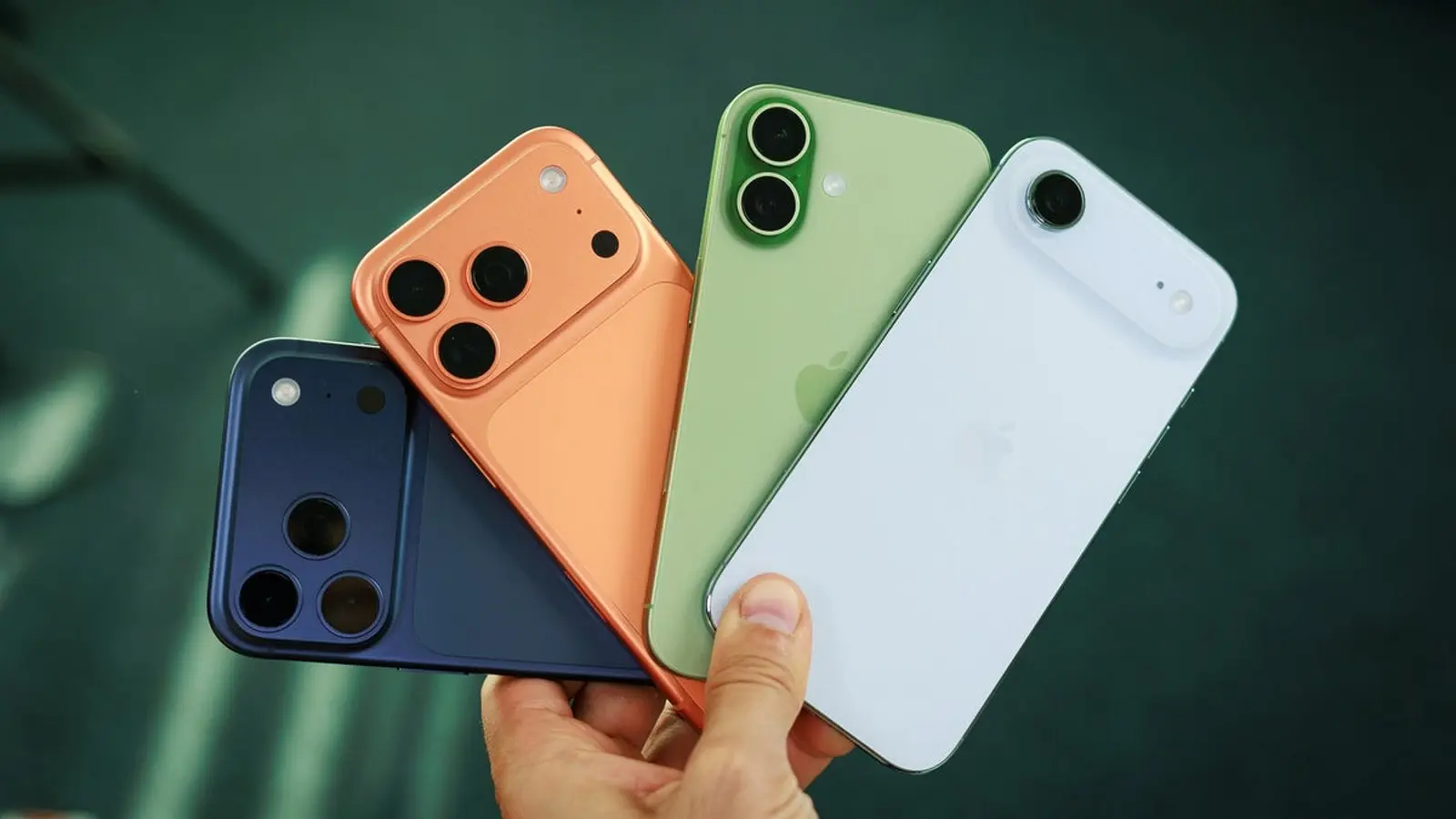
Apple’s iPhone launch rhythm has been predictable for years: new models typically arrive each September. But recent leaks suggest the iPhone 18 could break that routine, with Apple possibly staging a split rollout across late 2026 and spring 2027. Here’s what to watch and why this shift could matter for buyers and competitors alike.
What the rumors are saying — a two-stage rollout
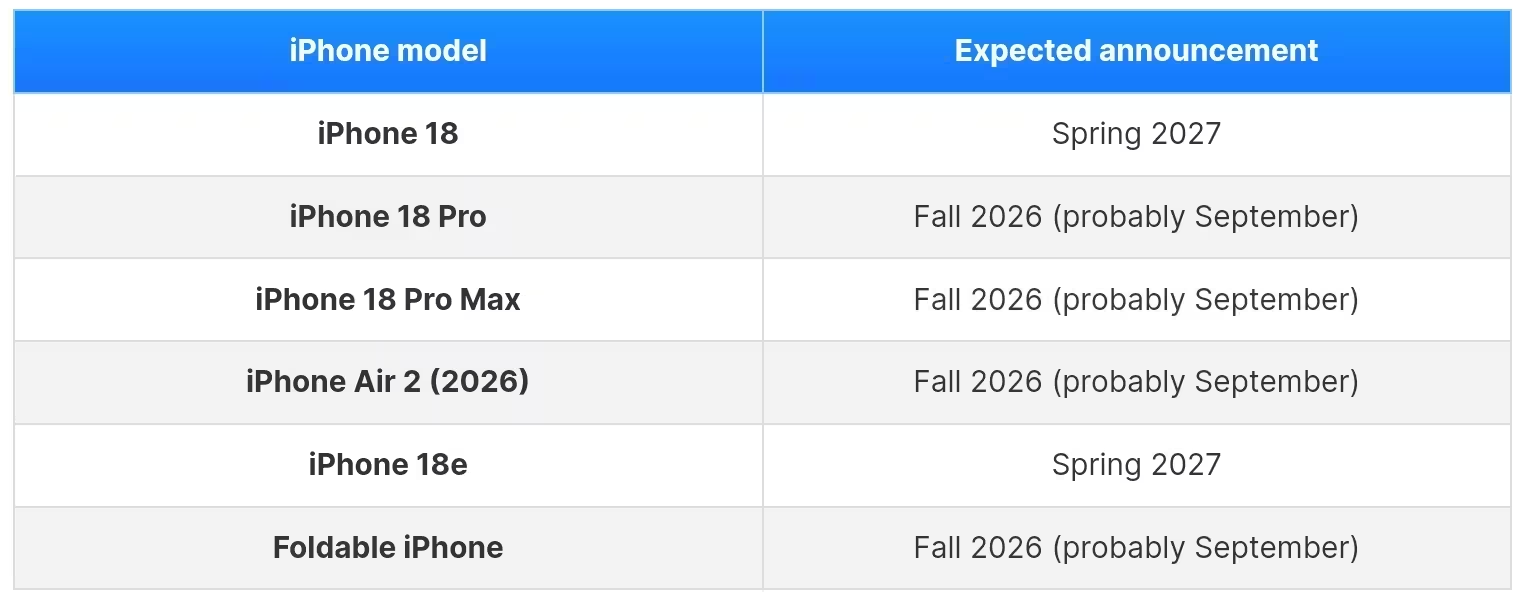
Insider roadmaps and multiple reports point to a staggered release. Expect a fall 2026 reveal for the higher-end machines: the iPhone Air 2 (2026), iPhone 18 Pro, iPhone 18 Pro Max, and perhaps the long-teased foldable iPhone. Strikingly absent from that list is the standard iPhone 18. According to the leaks, the base model — and a potential iPhone 18e — could arrive later, in spring 2027.
Imagine two separate Apple events: one to headline premium hardware and another months later to target mainstream buyers. That’s the scenario the rumor mill is painting — and it’s a departure from Apple’s usual single-fall splash.
Why would Apple split the launch? Smarter timing or sales strategy?
There are several plausible reasons behind a split schedule. First, spreading product announcements across seasons keeps Apple in the headlines for longer. A spring reveal fills a marketing lull and can help maintain sales momentum during a traditionally quieter period.
Second, a delayed base model might nudge some customers toward higher-margin options. The standard iPhone often sells best because it balances price and features. If Apple teases buyers with Pro, Air, and a foldable option first, some shoppers may upgrade their purchase choices or wait and compare — both outcomes that benefit Apple strategically.
Third, competitive timing could be a factor. Samsung typically unveils its Galaxy S series early in the year. Releasing the iPhone 18 closer to Samsung’s next flagship could blunt some of that attention — a tactical move in an increasingly crowded smartphone calendar.
What this could mean for shoppers and the market
- Shoppers who want the simplest, most affordable iPhone might need patience: the iPhone 18 could arrive months after the Pro lineup.
- Fans of cutting-edge models might see more innovation showcased in fall 2026 — especially if a foldable iPhone finally appears.
- Retailers and carriers could adjust promotions and inventory plans to match two launch cycles rather than one.
Of course, a staggered launch has risks. Splitting demand could complicate supply chains and confuse buyers who prefer a one-stop release. And Apple historically favors predictability in launch timing — which is why these reports remain just that: reports.
How to treat these reports: cautious optimism
Leaks and internal roadmaps circulate every year, some accurate and some not. Until Apple makes an official announcement, treat the split-launch narrative as an interesting possibility rather than a confirmed strategy. The safest short-term bet: expect new iPhones in the usual fall window, but keep an eye on whispers that the base iPhone 18 may show up later in spring 2027.
Whether Apple moves to a two-event cadence or sticks to tradition, 2026 and 2027 look set to be pivotal years for the iPhone line — especially if the foldable model finally arrives to shake up the market.

“I cover emerging technologies, digital innovation, and the intersection of tech and everyday life. My goal is to make complex trends accessible and inspiring.”

Discussion
Leave a Comment