
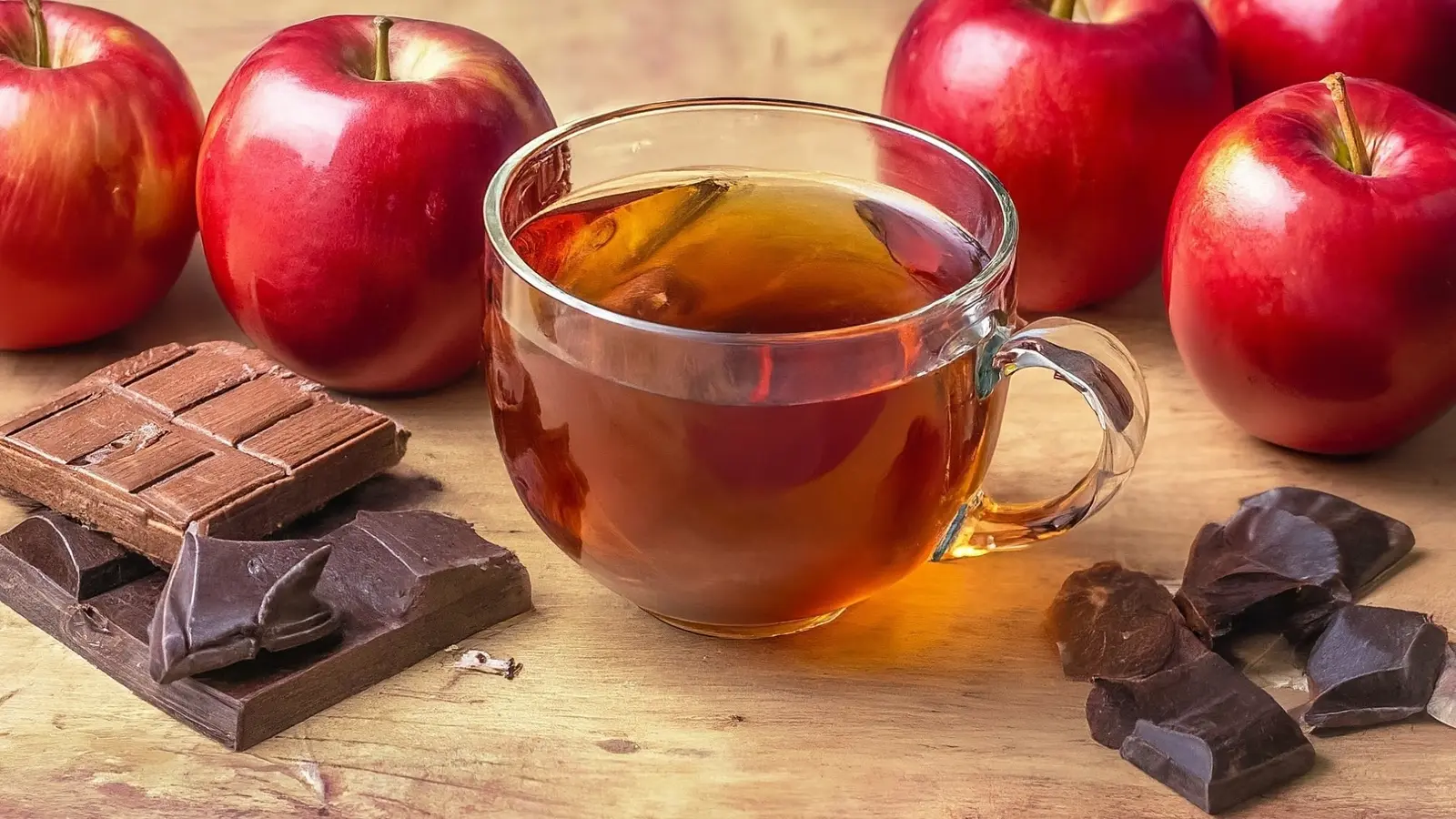
New findings from the University of Birmingham suggest a simple dietary strategy to blunt the short-term vascular harm of sitting: consume foods rich in flavanols. In a controlled trial, healthy young men who drank a high-flavanol cocoa beverage before a two-hour uninterrupted sitting period preserved blood-vessel function that otherwise declined in those given a low-flavanol drink.
Why this matters: sitting, vessels and cardiovascular risk
Sedentary behavior is pervasive in modern life—commutes, desk jobs, long flights, and evening screen time add up. Young adults are estimated to spend roughly six hours a day seated, and research shows that prolonged sitting impairs endothelial function, a key measure of blood-vessel health. Even modest drops in vascular performance are clinically relevant: prior work links a 1% decline in brachial flow-mediated dilatation (FMD) to a roughly 13% higher risk of future cardiovascular disease, including heart attacks and strokes.
Endothelial function (often measured by FMD) reflects how well vessels dilate in response to increased blood flow. When that response falters, the arteries are less able to adapt to changing demands, a hallmark of vascular aging and dysfunction. Finding accessible, low-risk interventions that protect the endothelium during unavoidable sitting could reduce cumulative cardiovascular risk at the population level.

Flavanol-rich foods like cocoa and tea may offer an easy way to guard your heart during long stretches of sitting.
Study design: testing cocoa flavanols against two hours of sitting
The study, published in the Journal of Physiology, recruited 40 healthy young men split into higher- and lower-cardiorespiratory fitness groups. Each participant completed a two-hour uninterrupted sitting session on two separate occasions, randomized to receive either a high-flavanol cocoa drink (695 mg total flavanols) or a low-flavanol control (5.6 mg total flavanols) before sitting.
Measurements taken before and after the sitting period included:
- Flow-mediated dilatation (FMD) in the superficial femoral and brachial arteries
- Arterial resting shear rate and blood flow
- Systolic and diastolic blood pressure
- Leg muscle oxygenation
Women were excluded from this trial because fluctuating sex hormones across the menstrual cycle can alter vascular responses; the authors recommend follow-up studies to test effects in women and across hormonal states.
Key findings: flavanols prevented the sitting-induced decline in vessel function
When participants consumed the low-flavanol beverage, both fitter and less-fit men experienced declines in FMD in arm and leg arteries after two hours of sitting. The low-flavanol condition was also linked to higher diastolic blood pressure, lower shear rate and blood flow, and reduced leg muscle oxygenation—signs that uninterrupted sitting compromises circulatory dynamics even in healthy young adults.
By contrast, those who drank the high-flavanol cocoa preserved FMD in both arm and leg arteries: no significant decline after the two-hour sitting period. That protective effect was observed regardless of baseline fitness, indicating that dietary flavanols may support vascular health across a wide spectrum of activity levels.
Dr. Catarina Rendeiro, lead author and Assistant Professor in Nutritional Sciences, noted: "Whether we are sitting at desks, behind the wheel of a car, on a train, or on the sofa reading a book or watching TV, we all spend a lot of time seated... Finding ways to mitigate the impact that sitting for uninterrupted periods has on our vascular system could help us cut the risk of developing cardiovascular diseases."
Co-author Dr. Sam Lucas added: "Our experiment indicates that higher fitness levels do not prevent the temporary impairment of vascular function induced by sitting when only drinking low-flavanol cocoa. Importantly, after the high-flavanol drink, both fitter and less-fit participants kept their FMD the same as it was before sitting for two hours."
What are flavanols and where to find them?
Flavanols are a subgroup of polyphenols—plant-derived compounds with antioxidant and signaling effects. Common dietary sources include cocoa, apples, plums, berries, nuts, and both black and green tea. Processing affects flavanol content: some cocoa and chocolate manufacturing methods reduce levels, while certain products retain higher concentrations.
Alessio Daniele, a PhD student involved in the study, pointed out practical options: "It is actually quite easy to add high flavanol foods to your diet. There are cocoa products available in supermarkets and health stores which are processed through methods that preserve flavanol levels. If cocoa isn’t your thing, fruits like apples, plums and berries, nuts, and black and green tea are all common kitchen staples and are readily available."
Implications and limitations
The trial offers proof-of-concept that acute flavanol intake can blunt the short-term vascular consequences of uninterrupted sitting. For public health, this suggests dietary strategies may complement behavioral recommendations—like taking regular breaks to stand or walk—to protect vascular function.
Important caveats: the study tested a single acute exposure in healthy young men. It does not establish long-term cardiovascular benefit, nor does it confirm comparable effects in women or in people with established cardiometabolic disease. Dosage, timing relative to sitting, and interactions with other foods or medications also require further study.
Expert Insight
"These results are encouraging because they show a low-cost, low-risk way to reduce the immediate vascular impact of sitting," says Dr. Anna Herrera, a clinical pharmacologist and science communicator not involved in the study. "But flavanols are not a replacement for movement. Think of them as an adjunct: useful when you can’t interrupt sitting, but best paired with regular activity and other healthy habits."
Conclusion
This University of Birmingham study adds to growing evidence that dietary flavanols—from cocoa, tea, and certain fruits—can transiently protect blood-vessel function during periods of prolonged sitting. While promising, these findings are an early step: they support the idea that nutrition and behavior together can reduce vascular stress, but longer-term and more diverse studies are needed to translate the effect into clinical recommendations.
Practical takeaways: when long seated periods are unavoidable, consider including flavanol-rich foods or beverages as part of your routine, and aim to break up sitting with short walks or standing breaks when possible to maintain long-term cardiovascular health.

“My work centers on sustainability, energy, and environmental science — examining how innovation can lead to a greener future.”

Discussion
Leave a Comment