
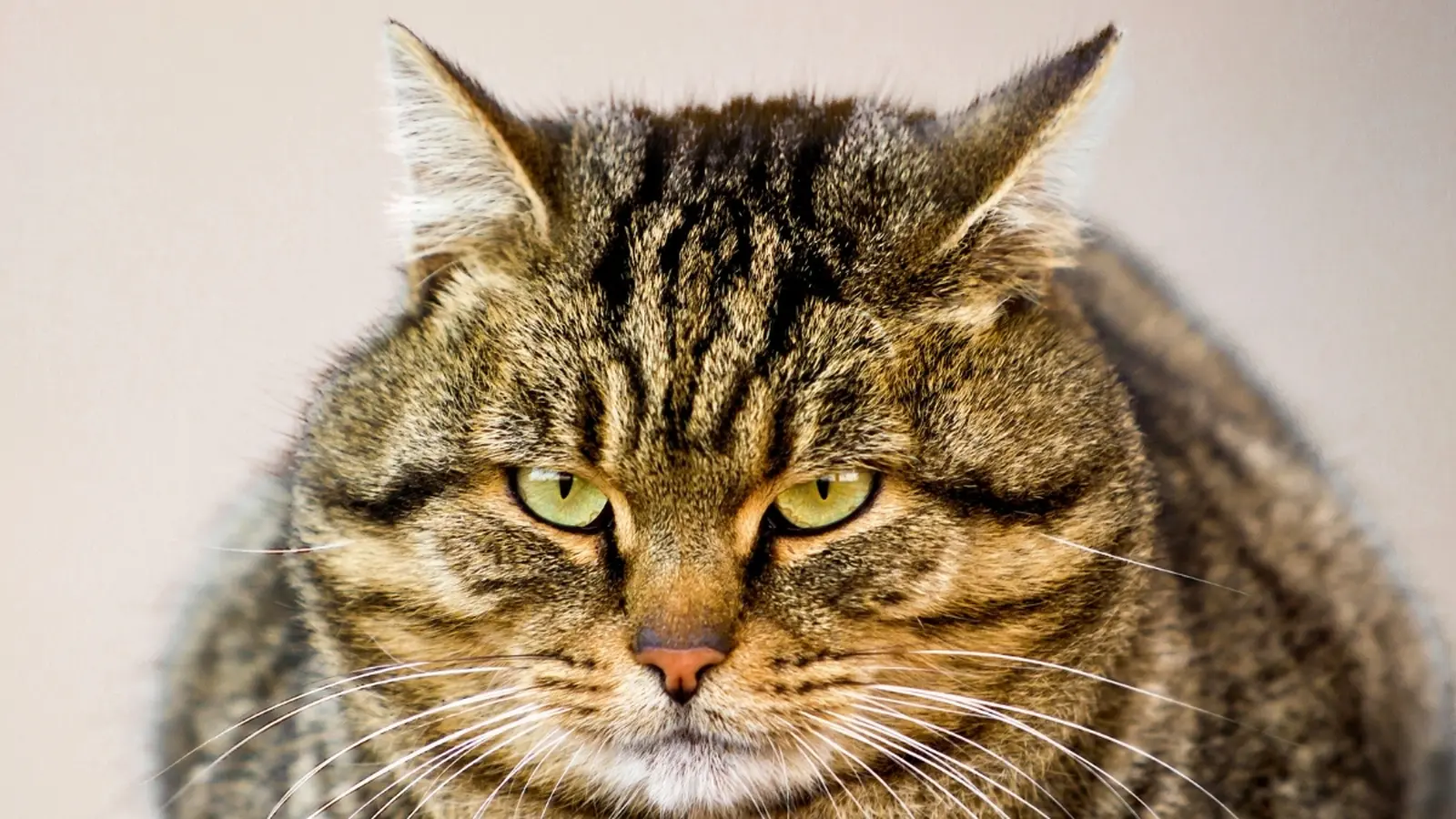
Veterinary researchers have launched a first-in-class clinical trial testing an implanted GLP-1 drug designed to help overweight cats lose weight without daily pills or strict fasting. The experimental therapy, called OKV-119 and developed by OKAVA Pharmaceuticals, aims to mimic fasting’s metabolic benefits while preserving the human–animal bond around feeding.
Why feline obesity matters
More than half of pet cats worldwide are estimated to be overweight or obese — a condition that raises their risk of osteoarthritis, hip dysplasia, diabetes mellitus and cardiovascular problems. In cats, weight loss must be gradual: abrupt caloric restriction can trigger hepatic lipidosis, a dangerous liver condition. For many owners, sustained portion control and enrichment-based feeding are hard to maintain, so an alternative that reduces appetite and improves metabolism could change clinical practice.
How the implant works
OKV-119 is a subcutaneous implant that slowly releases a GLP-1 (glucagon-like peptide-1) receptor agonist over months. GLP-1 drugs used in humans — marketed as Ozempic and Wegovy — act on receptors that promote satiety and improve insulin sensitivity. These receptors are highly conserved across mammals, which is why a similar approach is biologically plausible for cats. OKAVA says the implant can release medication for up to six months, potentially sparing owners the challenge of daily dosing.

Physiological effects
- Reduced appetite and sustained feelings of fullness.
- Improved insulin sensitivity and blood glucose regulation.
- Reduced fat mass and more efficient energy use, akin to some benefits of controlled fasting.
What the trial will test
The ongoing early-stage clinical trial is focused on safety, tolerability and preliminary efficacy. Earlier lab studies tested the delivery system in healthy cats; the current trial will monitor enrolled obese cats for roughly 12 weeks to measure weight loss, metabolic changes and any adverse events. OKAVA’s CEO, Michael Klotsman, has described the implant as an attempt to reproduce the metabolic advantages of caloric restriction without forcing major changes to feeding routines that can strain owner–pet relationships.
So far, only a small number of cats have received the implant in the clinical program. That means meaningful, population-scale conclusions are still some time away: larger, longer trials will be needed to demonstrate long-term safety and to define which cats are appropriate candidates.
Practical advice for cat owners
While researchers evaluate pharmacological options, veterinarians still recommend behavioral strategies: remove free-feeding bowls, offer measured meals, and use puzzle feeders or hunting-style enrichment so cats must ‘work’ for food. These approaches reduce overeating and preserve mental stimulation, both crucial for healthy weight management.
Implications and next steps
If OKV-119 proves safe and effective, it could expand options for treating feline obesity and its downstream health consequences. The technology also highlights how advances in human metabolic medicine — specifically GLP-1 agonists — are informing veterinary therapeutics. Regulatory approvals, dose-optimization studies and broader safety monitoring will determine whether implanted GLP-1 therapy becomes a mainstream tool in veterinary care.

“My work centers on sustainability, energy, and environmental science — examining how innovation can lead to a greener future.”

Discussion
Leave a Comment