
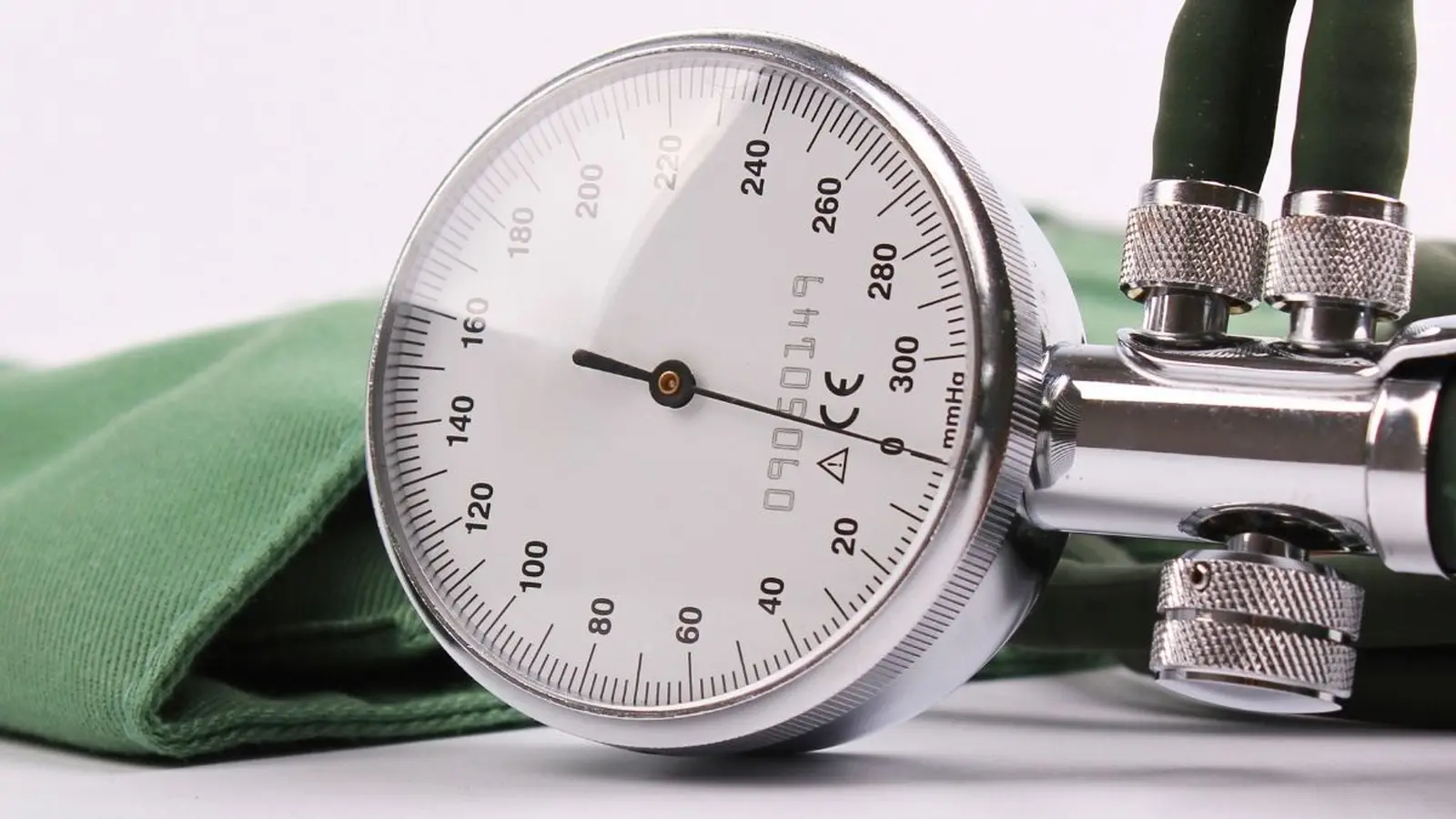
Nearly half of U.S. adults now meet the criteria for high blood pressure under updated 2025 guidance from the American Heart Association and American College of Cardiology. These stricter thresholds, plus new tools for personalized risk assessment, aim to reduce heart disease, stroke and dementia — but they also mean more people should review their blood pressure status with a clinician.
What changed: tighter thresholds and clearer staging
The 2025 statement lowers the bar for diagnosing hypertension and removes the older "prehypertension" label. Blood pressure is still defined by two numbers: systolic (top number, pressure when the heart contracts) and diastolic (bottom number, pressure when the heart relaxes). The new categories are:
- Elevated: systolic 120–129 and diastolic <80 mm Hg
- Stage 1 hypertension: 130–139 systolic or 80–89 diastolic
- Stage 2 hypertension: ≥140 systolic or ≥90 diastolic
- Hypertensive crisis: ≥180 systolic or ≥120 diastolic
Because thresholds are lower, millions of Americans will suddenly fall into a hypertension category. That doesn’t always mean immediate medication — it means a conversation with your clinician about risk and management.
Lifestyle measures that matter
The updated guidance emphasizes lifestyle first, and more clearly links common habits to measurable blood-pressure changes. Key recommendations include:
- Reduce salt to <2,300 mg per day, ideally <1,500 mg — Americans average >3,300 mg.
- Adopt the DASH diet (fruits, vegetables, whole grains, low-fat dairy), which can lower systolic pressure by about 10 mm Hg in some people.
- Increase aerobic activity — each extra 30 minutes per week can reduce systolic BP by ~2 mm Hg, with the biggest benefits at ~150 minutes weekly.
- Limit alcohol: men no more than two drinks per day, women no more than one. Studies show systolic pressure rises roughly 1 mm Hg for every 10 grams of alcohol.
- Prioritize healthy sleep, weight control, and smoking cessation.

Small changes add up. Cut alcohol, swap processed foods for fresh options, and aim for regular exercise — these steps often lower blood pressure enough to delay or avoid medication.
Personalized risk: the PREVENT calculator and clinical implications
The guideline introduces a stronger focus on individualized risk assessment using the PREVENT (Predicting Risk of Cardiovascular Disease EVENTS) calculator. PREVENT combines age, sex, cholesterol, blood pressure, medical history and other factors to estimate a person’s 10-year risk of heart attack, stroke or heart failure. That risk estimate helps clinicians decide whether lifestyle measures alone are enough or whether to start medication.

Dr. William Cornwell, a cardiologist at the University of Colorado Anschutz Medical Campus, notes: "PREVENT lets clinicians tailor treatment to the whole patient. Two people with the same blood pressure may need different approaches depending on their overall cardiovascular risk."
The guidelines also encourage regular home blood-pressure monitoring to detect daily fluctuations and to give clinicians better long-term data. More aggressive treatment is recommended for people whose readings and risk profile place them at higher cardiovascular risk.
Practical next steps for patients
If you haven’t had your blood pressure checked recently, ask your doctor whether you now meet the 2025 criteria for hypertension. If you already have high blood pressure, discuss lifestyle strategies, home monitoring, and whether a risk calculator like PREVENT should influence treatment choices. Even modest improvements in salt intake, alcohol use, exercise and sleep can reduce the chance of heart attack, stroke and cognitive decline later in life.

“The cosmos has always fascinated me. I write about space missions, astronomy, and the technologies pushing humanity beyond Earth.”

Discussion
Leave a Comment