
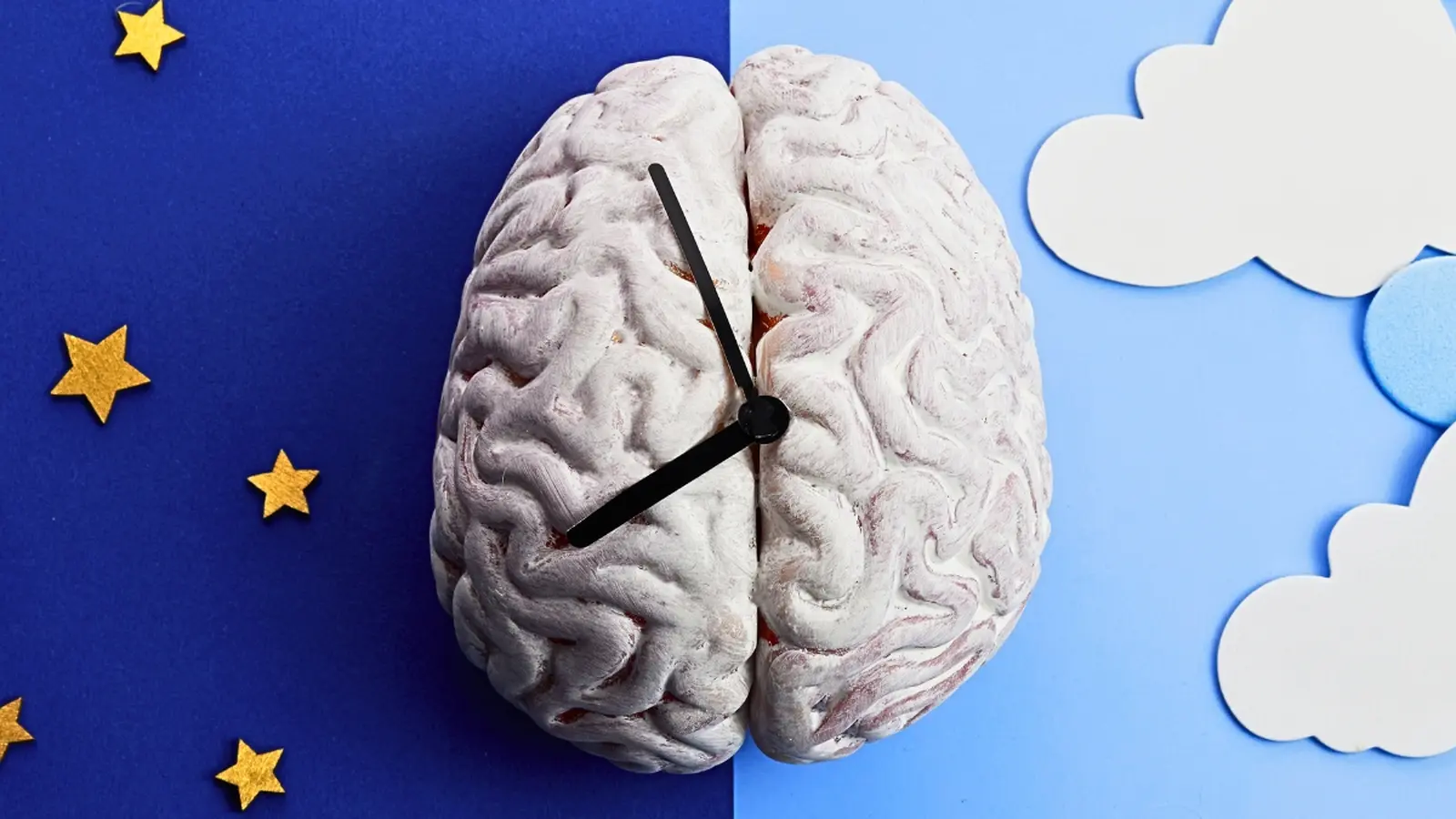
Most of us have felt it: your alarm is set for 6:30, but your eyes open at 6:27 with no sound. That pre-alarm awakening isn’t magic or luck — it’s your internal timing system doing what it was designed to do. Below we unpack the biology behind that tiny, reliable nudge, how it relates to sleep quality, and practical steps to help your body wake on its own.
The biology of your internal alarm
Deep inside the brain, a small cluster of neurons called the suprachiasmatic nucleus (SCN) acts as the body’s master clock. The SCN coordinates circadian rhythms — roughly 24-hour cycles that regulate sleep-wake patterns, body temperature, digestion and hormone release. Light exposure, daily routines and genetic tendencies shape the timing of that clock, which is why some people are natural early risers while others are night owls.
One of the clearest signals tied to morning wakefulness is the cortisol awakening response. Cortisol, often described as the body’s “get-up-and-go” hormone, rises sharply in the first 30–45 minutes after awakening. In people with consistent schedules and morning light exposure, the SCN begins preparing the body well before the alarm: core body temperature increases, melatonin (the sleep-promoting hormone) falls, and cortisol starts its climb. By the time the alarm is scheduled, the body is already transitioning toward wakefulness.

Healthy timing versus disruptive waking
Waking a few minutes before your alarm and feeling refreshed usually indicates a well-synced circadian rhythm: your internal clock has learned your routine and times hormone release to ease the sleep-to-wake transition. But if those early awakenings leave you groggy, anxious or fragmented, the cause may be poor sleep quality rather than precise timing.
When sleep is fragmented or you go to bed at inconsistent times, the SCN receives mixed signals. Without reliable cues — consistent light exposure, stable wake times, and regular meals and exercise — your internal clock can drift. That increases the chance you’ll be woken by an alarm during deep sleep stages, producing sleep inertia: the slow, fuzzy-headed state that makes the first moments of your day feel like slogging through molasses.

How stress and anticipation affect early waking
Stress and anxiety raise baseline cortisol levels. Because cortisol also rises naturally in the morning, elevated stress can trigger earlier-than-desired awakenings or make sleep lighter. Similarly, excitement about upcoming events can increase physiological arousal and cause premature rousing. These are common, but if frequent, they can evolve into chronic sleep disruption.
Historically, human sleep patterns were more tightly linked to dawn, dusk and seasonal cues. Modern life — artificial light, screens, irregular shifts and social obligations — places conflicting signals on the circadian system. That makes spontaneous, alarm-free waking less common, even if the underlying biology hasn't changed.
Practical strategies to train your internal alarm
If you want to wake naturally and feel energized, small consistent changes can help retrain the SCN:
- Keep a regular sleep schedule. Aim for 7–8 hours most nights and maintain similar wake times on weekends.
- Prioritize morning light. Exposure to sunlight within an hour of waking anchors the circadian clock and strengthens morning alerting signals.
- Limit late caffeine, alcohol and heavy meals. These disrupt sleep architecture and interfere with restorative stages of sleep.
- Create a dark, cool bedroom and avoid screens before bed. Dim light in the evening supports melatonin release and deeper sleep.
- Use behavioral nudges: consistent pre-sleep routines and calibrated alarm placement (away from the bed) can reduce reliance on abrupt waking.
Technology can help too. Wearable sleep trackers and light therapy devices provide feedback and interventions to shift sleep timing gradually. Chronotherapy — deliberately adjusting sleep times stepwise — is used clinically to realign circadian rhythms for shift workers and people with delayed sleep phase disorder.
Expert Insight
"The body’s predictive waking is a remarkable example of biological learning," says Dr. Elena Vargas, a sleep neuroscientist. "When sleep and light cues are consistent, the suprachiasmatic nucleus fine-tunes hormone cycles so waking becomes smooth and near-automatic. But the opposite is true when schedules are erratic — the clock receives conflicting signals and sleep quality suffers."
Dr. Vargas adds that simple interventions — especially morning light and steady wake times — often produce measurable improvements within a few weeks. "You don’t need perfect sleep to benefit. Regularity is the low-cost, high-impact tool we underuse," she says.
Scientific context and future prospects
Research on circadian biology continues to expand. Studies are exploring how individual genetic differences set chronotypes (morningness versus eveningness) and how targeted light therapies and timed melatonin can shift rhythms predictably. In clinical contexts, aligning medication schedules and treatment timing with a patient’s circadian phase — an approach called chronotherapy — has shown promise in improving outcomes for mood disorders, metabolic disease and cancer treatment.
Emerging consumer tools — smarter lighting systems and sleep coaches powered by machine learning — aim to translate circadian science into everyday habit change. As these tools improve, we may see more people waking naturally, aligned with both biological timing and modern life demands.
Conclusion
Waking a few minutes before your alarm is usually your body’s internal clock at work: a coordinated hormonal and temperature shift orchestrated by the SCN. When it happens and you feel refreshed, it signals healthy circadian timing. When it leaves you tired or anxious, look at sleep quality and daily routines. The good news is that modest, consistent lifestyle changes — especially regular wake times and morning light — can retrain your internal alarm and help you greet the day without a startled jolt.

“My work centers on sustainability, energy, and environmental science — examining how innovation can lead to a greener future.”

Discussion
Leave a Comment