
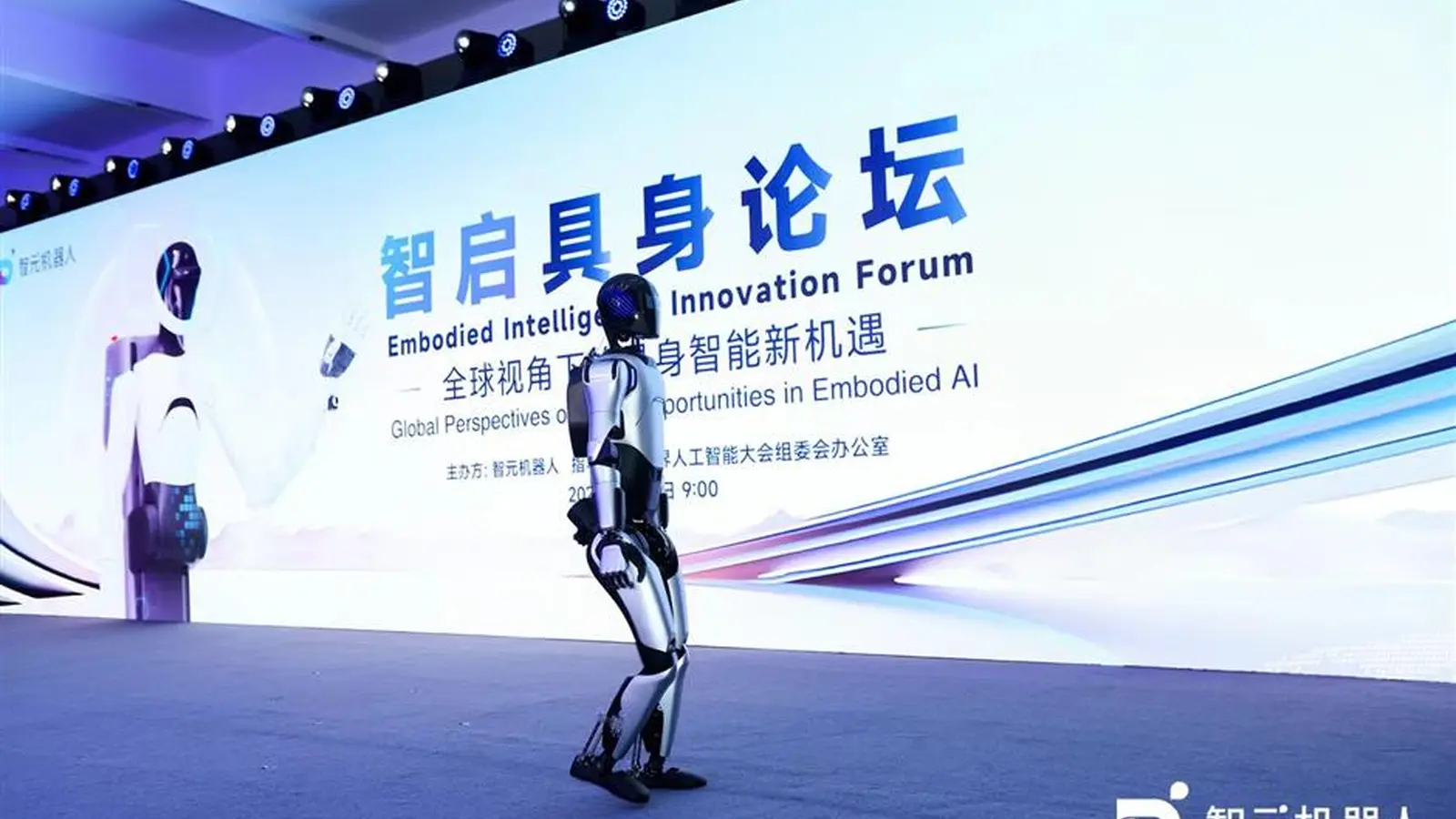
China has introduced a budget-friendly humanoid robot named Bumi — a compact machine priced roughly the same as a high-end smartphone. Built for learning, play and simple interactions, Bumi aims to put humanoids into classrooms and homes rather than just factories.
What Bumi can do — and who it’s for
Manufactured by Songyan Power and slated for January 2026 sales, the 9998-yuan (about $1,400) Bumi is lightweight and surprisingly capable for its price. It walks, runs, dances, answers voice commands and can be programmed with drag-and-drop tools. That combination of motion, voice interaction and easy programming makes it a natural fit for education, beginner robotics courses and family use. In short: Bumi is designed to teach kids, introduce robotics to hobbyists and serve as a friendly demonstration platform for researchers.
How it stacks up against US humanoids
The price gap is stark. US projects like Tesla’s Optimus are targeting $20,000–$30,000 at scale, while Agility Robotics’ Digit is priced near $250,000 and oriented toward warehouse automation. American firms tend to prioritize industrial robustness, advanced autonomy and safety certifications — features that raise costs but promise clearer enterprise revenue streams. China, by contrast, is pushing aggressive price and production strategies to seed broad adoption, even if margins are thin.
That divergence reflects two different bets: the US places emphasis on high-value, software-driven capabilities and commercial deployments; China is betting on rapid hardware scale, ecosystem growth and consumer familiarity with robots.

Global impact — opportunities and risks
Lower-priced humanoids could accelerate practical experiments in classrooms and labs worldwide. Imagine robotics clubs with fleets of affordable humanoids, or universities using Bumi units for large-scale teaching labs. Faster diffusion may also spur new developer communities and localized applications.
- Pros: broader access to robotics education, faster user feedback loops, cheaper prototyping for developers.
- Cons: intense price competition could squeeze R&D budgets, potentially slowing breakthroughs in autonomy and advanced sensing.
Experts caution that while China’s low-cost push may scale adoption quickly, it doesn’t automatically translate into long-term profitability or breakthrough AI advances. Instead, the strategy could create a two-tiered market: mass-market basic humanoids and premium enterprise robots optimized for industrial tasks.
Ultimately, Bumi’s launch deepens the broader US–China tech rivalry. One side focuses on hardware scale and ecosystem penetration; the other pursues higher-margin, software-centric solutions. Consumers, educators and researchers are likely to see tangible benefits in the near term — but the long-term winners will be determined by who balances scale, safety and real-world utility most effectively.

“I cover emerging technologies, digital innovation, and the intersection of tech and everyday life. My goal is to make complex trends accessible and inspiring.”

Discussion
Leave a Comment