
3 Minutes
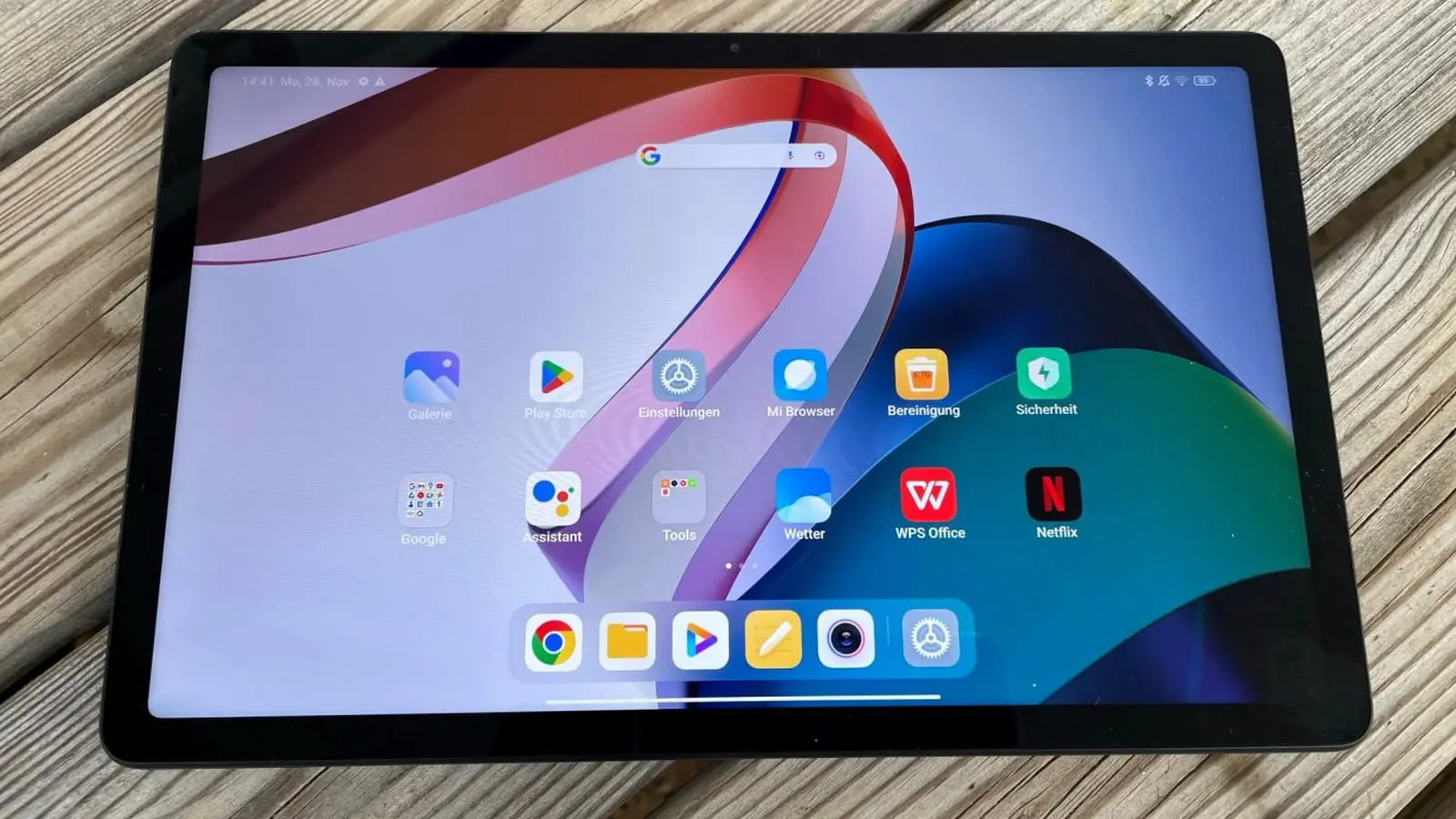
Xiaomi has quietly raised prices on several tablet models in mainland China, a subtle but telling sign that component cost pressures are starting to show up on retail tags. The move affects both the Xiaomi Pad 8 lineup and the Redmi Pad 2 series, and it highlights a wider industry squeeze driven by rising memory and storage chip prices.
Which models changed and by how much?
The base Xiaomi Pad 8 now starts at 2,299 yuan, up from 2,199 yuan, while the Pad 8 Pro sees its entry price rise from 2,799 yuan to 2,899 yuan. The Redmi Pad 2 took a bigger hit: every configuration climbed by 200 yuan, making its new entry price 1,199 yuan. Depending on configuration, some increases approach roughly 5–20% compared with earlier pricing.
So why the sudden uptick? Industry analysts point to a sustained surge in DRAM and NAND prices. Xiaomi's president, Lu Weibing, warned earlier that storage costs were climbing faster than expected. A TrendForce forecast now predicts another round of storage-price increases in early 2026, which helps explain why makers are adjusting retail pricing today rather than later.

At the heart of the problem is demand: the rapid expansion of AI and hyperscale data centers is redirecting memory production capacity away from traditional consumer electronics. In plain terms, DRAM factories are prioritizing the chips needed for servers, leaving less headroom and higher prices for the RAM and flash memory used in tablets and phones. That supply-and-demand mismatch is rippling down the supply chain, nudging manufacturers to pass some of the cost onto buyers.
These Xiaomi price changes follow earlier reports that other major vendors, including Samsung, are considering smartphone price adjustments. For consumers this means one blunt reality: devices may cost more even when their basic hardware feels familiar. It also raises a practical question for buyers—should you buy now or wait for prices to settle? If you need a tablet immediately, earlier models may still represent good value; if your purchase is flexible, monitor component-price reports and regional retail movements for better timing.
Ultimately, Xiaomi's modest hike is a snapshot of a bigger story: as AI-driven demand reshapes semiconductor priorities, expect more ripple effects across consumer electronics pricing in the months ahead.
Source: gizmochina



Leave a Comment