
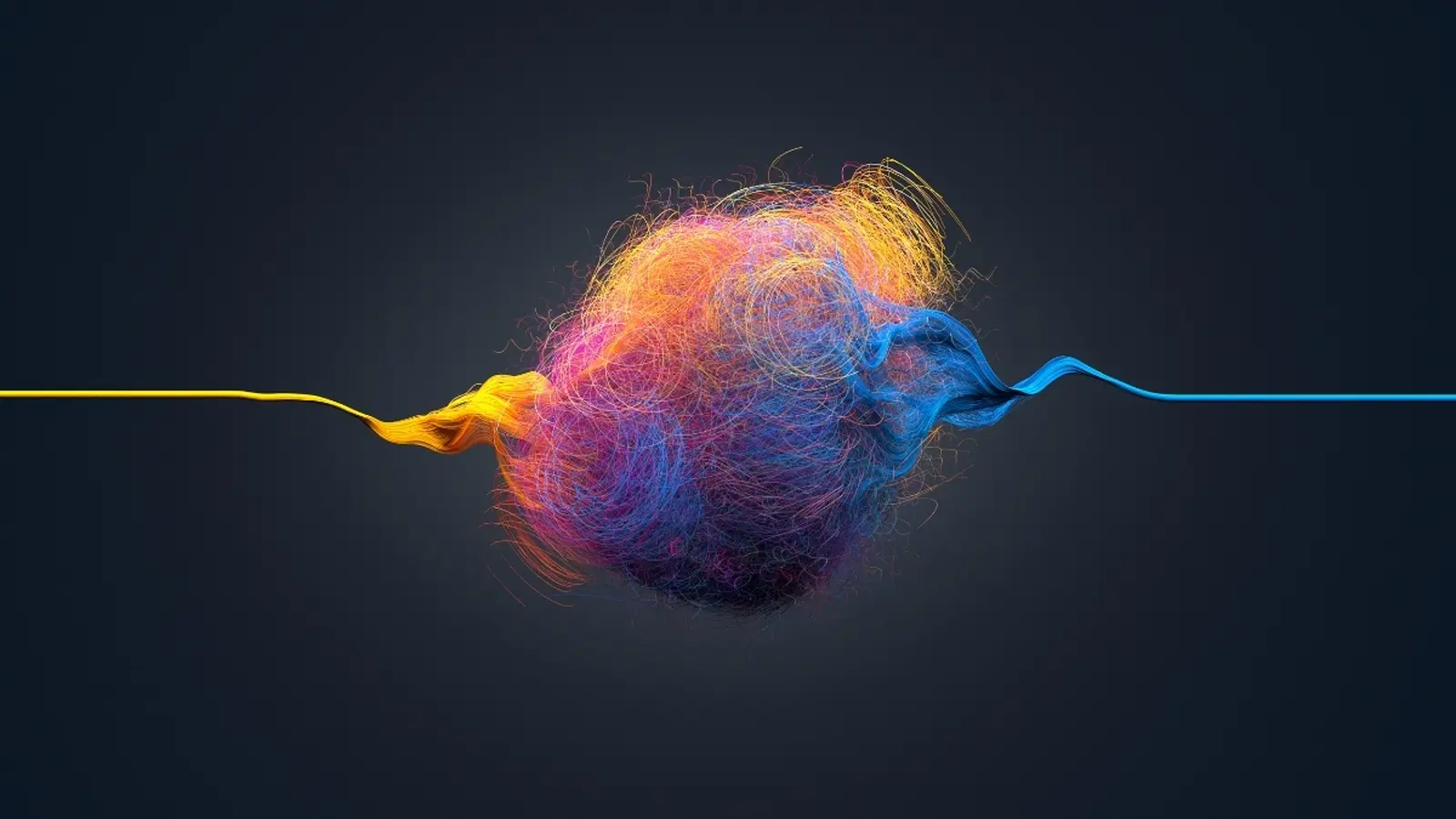
Scientists tracking the effects of psilocybin in mice report that a single dose can reorganize neural connections in ways that may interrupt the repetitive negative thinking seen in depression. Using an engineered rabies virus as a tracer, researchers mapped which circuits are strengthened and which are weakened — offering a plausible mechanism for the antidepressant effects reported in clinical studies.
Tracing the circuit changes behind behavioral shifts
Depression often involves rumination: a harmful feedback loop in the cortex where people repeatedly focus on negative thoughts. Cornell University biomedical engineer Alex Kwan, a co-author on the new study, explains that breaking those loops could underlie the long-lasting improvements some patients experience after psychedelic therapy. "By reducing some of these feedback loops, our findings are consistent with the interpretation that psilocybin may rewire the brain to break, or at least weaken, that cycle," he says.
To test where and how psilocybin reorganizes connections, the team led by biomedical engineer Quan Jiang used a modified rabies virus as a biological tracer. In its natural form the rabies virus hops across synapses; here it was repurposed to carry fluorescent markers that reveal which neurons are connected. Mice were given either a single dose of psilocybin or a placebo, then injected with the engineered virus a day later. One week after labeling, the researchers scanned the brains and compared the fluorescent trails.
Scans showed a striking pattern: sensory regions became more tightly linked to brain areas that drive action, while some long-range cortical connections — the very loops implicated in rumination — were reduced. In other words, psilocybin appeared to reweight networks that mediate perception and action versus introspective, repetitive circuitry.

How psilocybin changes the connections between mouse neurons. (Jiang et al., Cell, 2025)
Methods and what the viral tracer revealed
Engineered rabies as a connectivity readout
The use of a rabies-based tracer is central to the study’s insight. Instead of a general measure of neural activity, this method provides a map of synaptic links: which populations are talking to which. Because the virus carries fluorescent proteins, researchers can visualize and quantify shifts in connectivity across regions such as sensory cortex and prefrontal areas involved in decision-making and self-referential thought.
Importantly, the team noted that where psilocybin produced rewiring was influenced by local activity patterns — suggesting that the brain’s state at the moment of drug exposure helps determine which circuits change. That raises the prospect of pairing psychedelics with targeted neuromodulation techniques (for example, transcranial magnetic stimulation) to steer plasticity toward clinically useful networks.
Implications for depression treatment and future research
Depression affects more than 300 million people worldwide, and many patients don’t respond well to existing medications. Psilocybin — originally derived from "magic mushrooms" — has shown promise in clinical trials for major depressive disorder and treatment-resistant depression. This new mechanistic evidence from mice helps explain how a short drug course might produce sustained benefits: by selectively weakening the cortical feedback loops that sustain rumination while strengthening pathways that reconnect perception and action.
However, the authors and external experts caution that mouse-to-human translation is not guaranteed. Neural architectures differ across species, and behaviors such as rumination are complex. Still, the findings align with observations from human imaging studies and offer a concrete hypothesis: psychedelics enable targeted rewiring of maladaptive circuits.
Next steps and clinical prospects
Future work will need to test whether similar connectivity changes occur in people and whether combining psychedelics with neuromodulation or behavioral therapies can direct plasticity to therapeutic ends. If so, we may move toward precision interventions that amplify beneficial rewiring while minimizing side effects. For now, the study adds a critical link between cellular-level plasticity and the clinical promise of psilocybin for depression.

“The cosmos has always fascinated me. I write about space missions, astronomy, and the technologies pushing humanity beyond Earth.”

Discussion
Leave a Comment