
3 Minutes
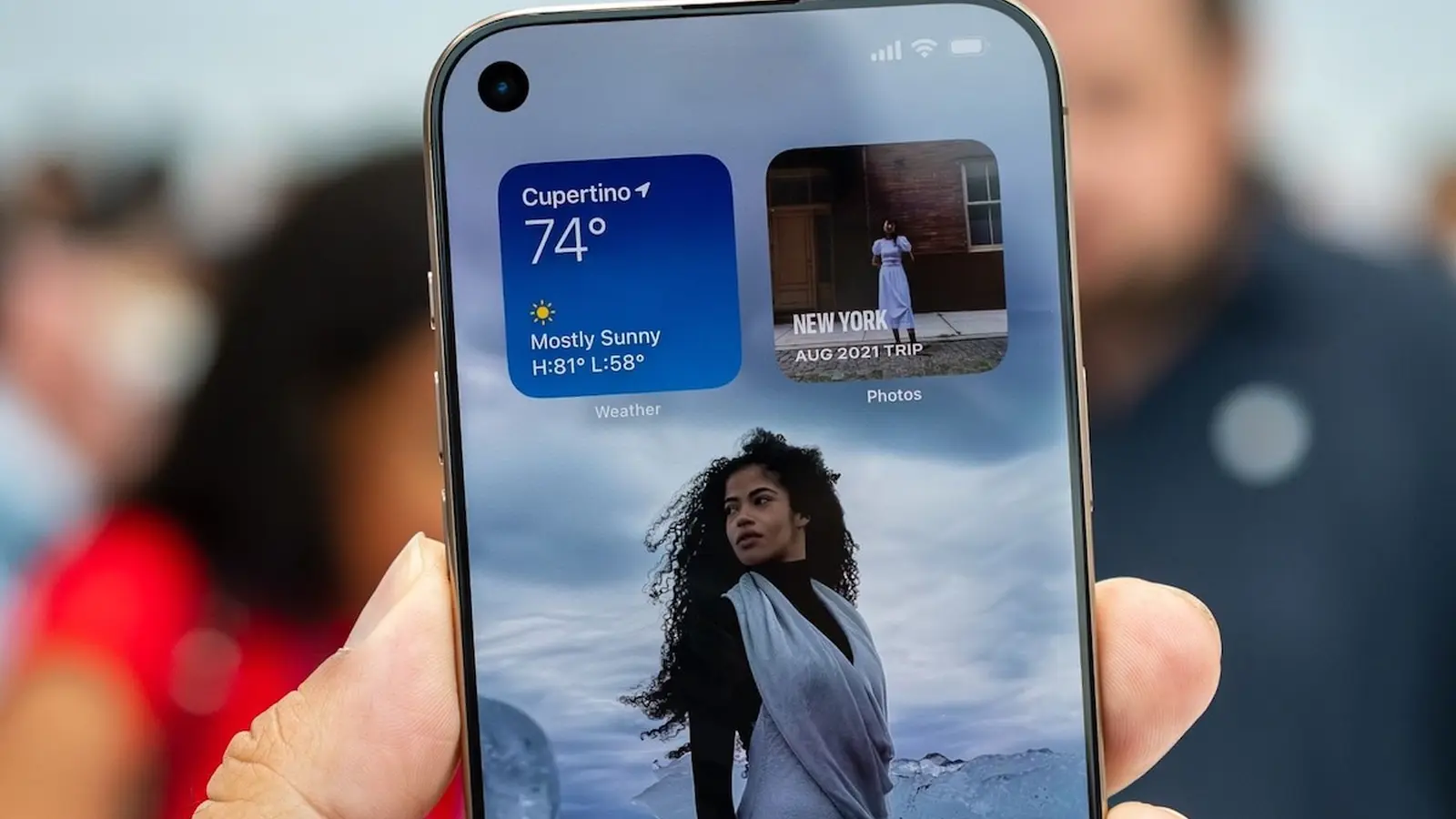
Apple is reportedly preparing one of the biggest front-end redesigns in years for the iPhone 18 Pro and Pro Max: most Face ID components under the display and the front camera shifted into the upper-left corner, leaving a much smaller visible cutout.
Why this matters — and how it could look
Apple introduced the notch with the iPhone X in 2017, then replaced it with the Dynamic Island on the iPhone 14 Pro lineup in 2022. The current iPhone 17 series still uses a pill-shaped cutout for the selfie camera and Face ID sensors. According to a new report from The Information, that layout could change dramatically: most Face ID hardware would sit beneath the AMOLED panel while only a tiny hole-punch remains visible for the front camera, positioned at the upper-left instead of centered.
The result would be an intentionally asymmetrical front — a notable departure from Apple’s long-held preference for centered, balanced designs. Earlier rumors had pointed toward a shrunken pill or a retained Dynamic Island; this left-corner camera would be a clearer break with recent design language. Will users notice? Probably — and that might be the point as Apple looks to make a more distinctive next-gen face for its flagship phones.

Camera upgrades and photographic gains
On the back, at least one lens — most likely the primary sensor — may gain a variable aperture. That mechanical change lets the camera physically alter the amount of light reaching the sensor, improving depth-of-field control and low-light performance without relying solely on computational tricks. In short: richer bokeh options and cleaner night shots could be on the way.
Apple’s foldable ambitions: compact when closed
The same report adds fresh details about Apple’s first foldable iPhone. When folded, the device is said to use a roughly 5.3-inch outer display with an approximate 2:3 aspect ratio, making it shorter than some competing foldables. Opened up, the main internal screen would expand to about 7.7 inches and shift closer to a 4:3 aspect ratio, favoring a more square-like canvas for apps and media.
Both the iPhone 18 family and the debut foldable are now expected to arrive in September 2026, according to the report. As always with early leaks, engineering priorities can change — but these details suggest Apple is exploring more visible design shifts than in previous cycles.
Whether the asymmetrical front, under-display Face ID, and hardware camera tweaks will define the next iPhone era remains to be seen. One thing is clear: Apple is pushing beyond incremental tweaks and testing bolder ideas for its flagship lineup.
Source: gizmochina



Leave a Comment