
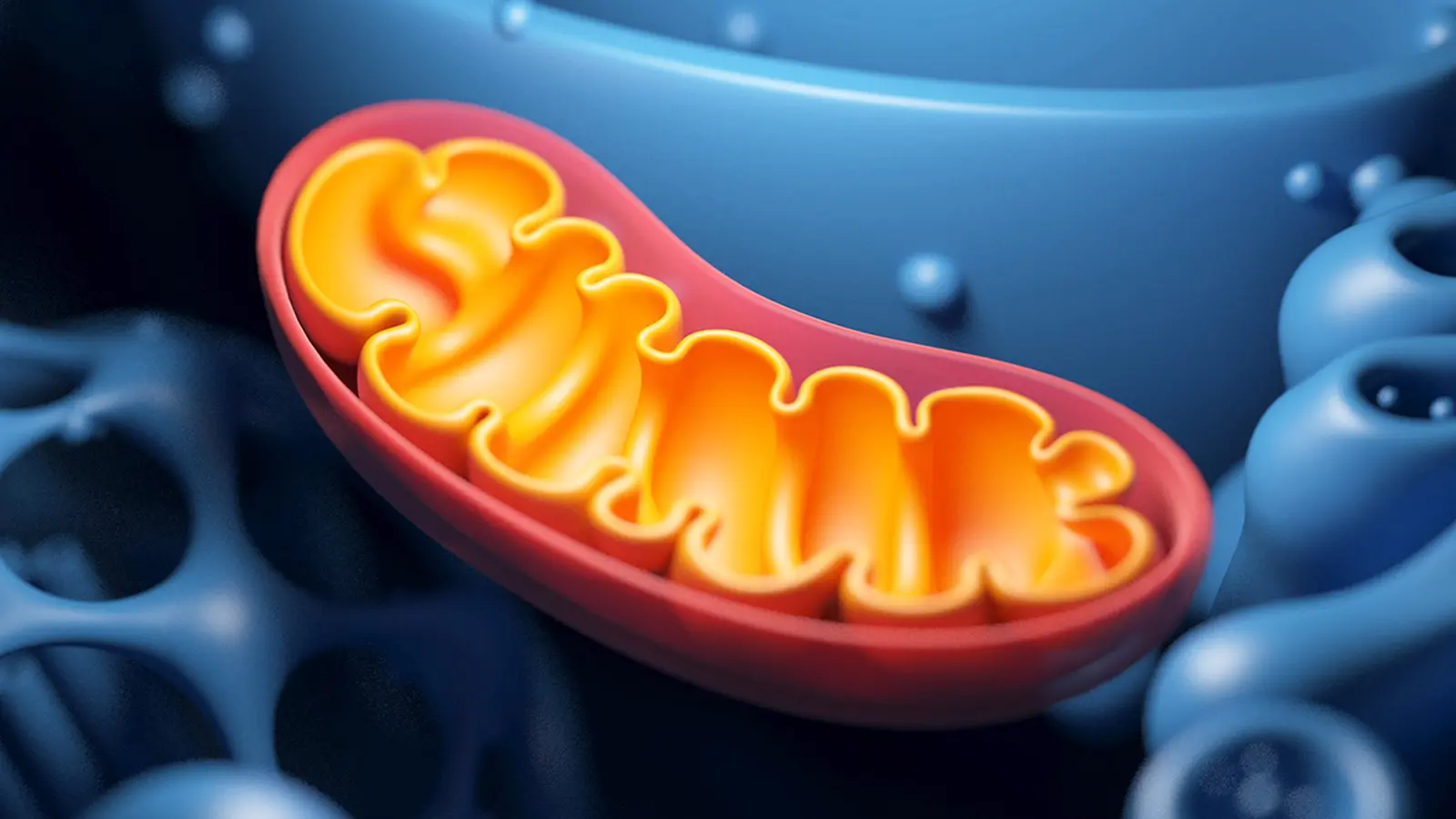
Researchers in Japan report that increasing levels of a mitochondrial protein called COX7RP improves cellular energy production, slows signs of aging and adds about 6.6 percent to average lifespan in male mice. The work links better mitochondrial organization to improved metabolism and physical endurance, pointing to new strategies for promoting healthspan.
Mitochondrial supercomplexes and the role of COX7RP
Mitochondria are often described as cellular batteries; their respiratory complexes assemble into larger units known as supercomplexes to work more efficiently. COX7RP is a protein that helps stabilize these assemblies. In the new study from Saitama Medical University and Chiba University, mice were genetically engineered to express higher amounts of COX7RP, and researchers then tracked metabolic, molecular and lifespan outcomes.
Analysis of tissue samples showed mitochondria from COX7RP-enhanced mice formed more respiratory supercomplexes and produced energy more efficiently. This structural change reduced the production of reactive oxygen species, or ROS, molecules that can damage cells over time and accelerate aging processes.
What changed in the modified mice
The COX7RP-boosted males lived, on average, 6.6 percent longer than control animals, and they showed several markers of improved healthspan. Notable findings included better glucose tolerance, lower circulating fatty acids, and greater muscle endurance—traits that help maintain mobility and metabolic stability into later life. Molecular biomarkers tied to aging also shifted in favorable directions, consistent with reduced cellular stress and more robust energy metabolism.

Genetically engineered mice were shown to live longer.
Scientific context and implications
Aging research has long linked mitochondrial decline to diseases such as dementia, metabolic syndrome and insulin resistance. Many interventions that extend life in laboratory models target single disease processes, but evidence for lifespan and healthspan gains under non-disease conditions is harder to come by. This study adds direct experimental support that strengthening mitochondrial architecture can influence both health and longevity.
The authors suggest that interventions that promote assembly or stability of mitochondrial respiratory supercomplexes could become therapeutic avenues. Possibilities include small molecules, supplements or targeted biologics that enhance COX7RP activity or mimic its effects, as well as gene-based approaches to increase expression in tissues most affected by aging.
Limitations and next steps
While the mouse results are promising, translation to humans remains uncertain. Differences in lifespan, physiology and the complexity of human aging mean that findings in rodents are a first step, not a guarantee. Future work will need to test safety, identify optimal delivery methods, and determine whether similar mitochondrial improvements correlate with clinical benefits in people.
Expert Insight
Dr. Elena Marquez, a mitochondrial biologist at a research university, notes that the study offers a clear mechanistic link between organelle structure and organismal aging. She explains that targeting protein assemblies is a nuanced strategy: small changes in a scaffold protein like COX7RP can ripple across cellular metabolism, but off-target effects and tissue-specific responses will require careful preclinical evaluation. Gene therapy or precision small molecules may be on the horizon, she says, but rigorous safety data are essential before human trials.
Conclusion
The COX7RP study highlights a tractable cellular mechanism for slowing aspects of aging in a mammalian model. By improving how mitochondria organize and generate energy, researchers observed measurable gains in metabolic health, endurance and lifespan. Translating those gains to humans will demand further study, yet the concept of stabilizing mitochondrial supercomplexes now stands out as a promising target in the search for interventions that extend healthspan.

“The cosmos has always fascinated me. I write about space missions, astronomy, and the technologies pushing humanity beyond Earth.”

Discussion
Leave a Comment