

New research from New York University finds a striking gap between the real-world weight-loss outcomes of GLP-1 drugs such as semaglutide (Ozempic) and the results of bariatric surgery. While medication can help many people lose weight and improve metabolic health, the study shows surgery delivers substantially larger and more durable reductions in body weight and blood sugar.
What researchers compared and why it matters
The NYU team matched electronic health records for patients who received either a sleeve gastrectomy or a gastric bypass with records of people prescribed GLP-1 receptor agonists — semaglutide or tirzepatide. GLP-1 drugs mimic the incretin hormone glucagon-like peptide-1 (GLP-1), which helps regulate appetite and blood glucose. Matching controlled for age, body mass index (BMI) and baseline blood sugar to give a fair comparison between surgical and medical approaches.
Semaglutide and related medications have become widely used after clinical trials reported average weight losses of roughly 15–21 percent. But clinical trial conditions — with strict follow-up, high adherence and frequent contact — can differ considerably from routine clinical practice, where patients may stop therapy, miss doses or face cost barriers.
Key findings: surgery vs. GLP-1 drugs
Over a two-year window, patients who underwent bariatric surgery lost an average of 25.7 percent of total body weight, compared with a 5.3 percent average loss among those treated with GLP-1 medications in routine care. The gap was evident even in shorter intervals: surgical patients consistently achieved greater weight loss and more durable outcomes.
Researchers attributed the difference partly to adherence: as many as 70 percent of patients may discontinue GLP-1 treatment within the first year in normal practice. Surgery, by contrast, is permanent and does not depend on daily medication adherence, though it brings its own requirements for dietary and lifestyle changes.
Metabolic outcomes followed a similar pattern. Bariatric surgery was associated with stronger improvements in blood sugar control than medication in this analysis, underscoring the procedures’ long-standing role in diabetes management as well as weight loss.
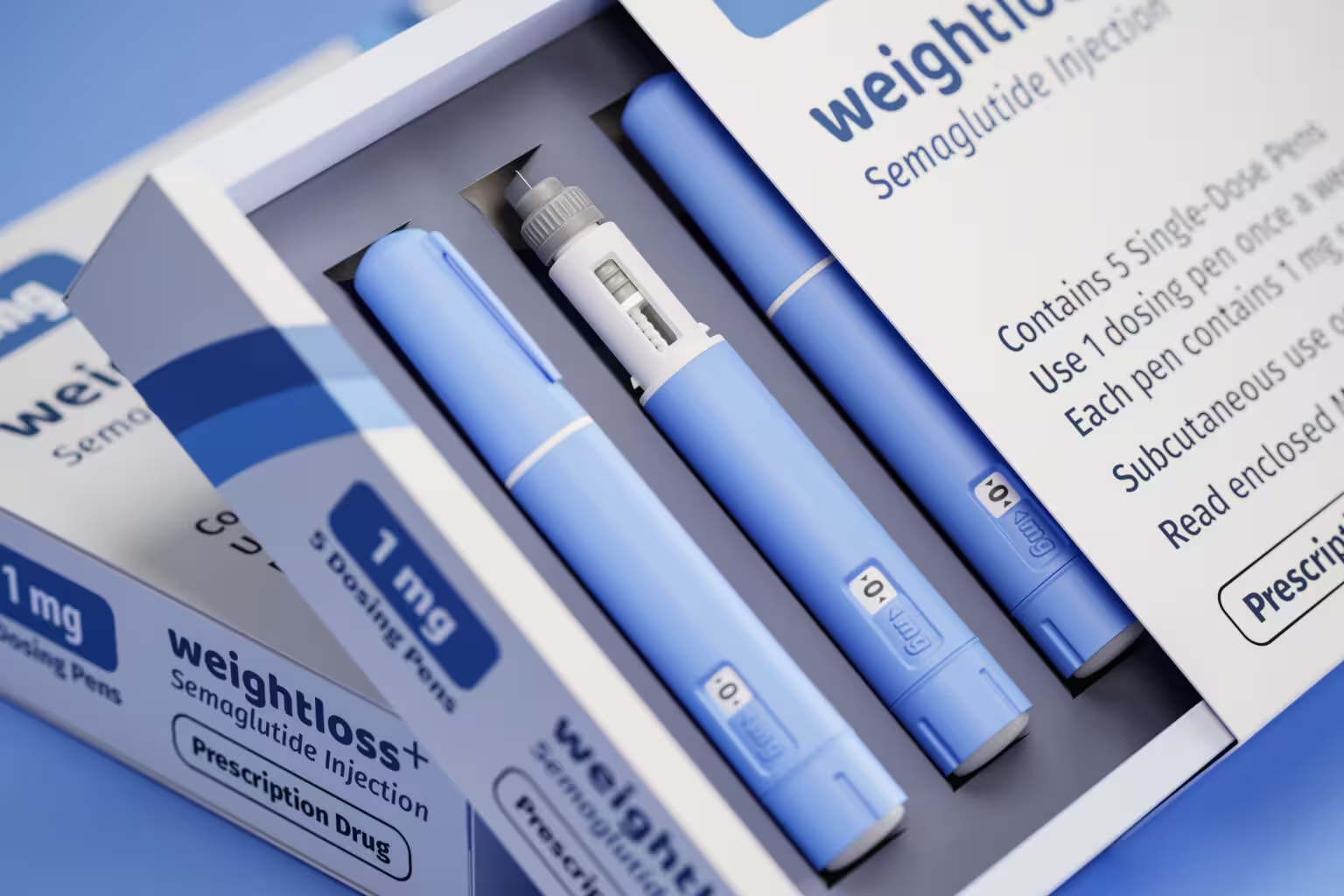
Semaglutide mimics the body's natural GLP-1 hormone
Context and limitations
It’s important to interpret these results in context. The study was funded by the American Society for Metabolic and Bariatric Surgery (ASMBS), a professional group with an interest in surgical approaches. That does not invalidate the findings, but it highlights the need to weigh potential conflicts and to corroborate results with independent studies.
The research team also noted the real-world effectiveness of GLP-1 drugs was lower than clinical trials suggest. Cost, side effects, and patient expectations can limit long-term use. Yet GLP-1 medications still provide meaningful benefits for many patients, including improvements in glycemic control and reductions in cardiovascular risk documented in other studies.
Practical implications for patients and clinicians
For clinicians, the study reinforces the importance of shared decision-making. Some patients will favor medication because it is noninvasive and reversible, while others may prefer surgery for a one-time intervention that tends to produce larger, longer-lasting weight loss. Eligibility for bariatric procedures remains low relative to the proportion of the population that might benefit—many eligible patients never pursue surgery.
"We need clearer guidance on which patients will do best with GLP-1 therapy and which are better served by metabolic and bariatric surgery," the investigators said, echoing calls for research into individualized care pathways and the role of out-of-pocket costs in treatment choice.

Bariatric surgery was associated with better blood sugar control compared to semaglutide.
Expert Insight
Dr. Maya Rosenthal, a metabolic medicine specialist not involved in the study, comments: "GLP-1s have revolutionized how we treat obesity and type 2 diabetes — they broaden the options available. But they are drugs, not magic bullets. This study reminds clinicians to discuss durability, cost, side effects and lifestyle changes with patients. For many, a combination approach — medication then surgery, or vice versa — may be appropriate."
Conclusion
The NYU analysis does not dismiss GLP-1 drugs; it highlights important differences between controlled trials and community practice. Bariatric surgery produced greater and more durable weight loss and metabolic benefits in this dataset, but the choice between surgery and medication depends on patient preferences, eligibility, costs and long-term adherence. Future research should clarify how to match patients with the most effective, sustainable option for their circumstances.

“The cosmos has always fascinated me. I write about space missions, astronomy, and the technologies pushing humanity beyond Earth.”

Discussion
Leave a Comment