
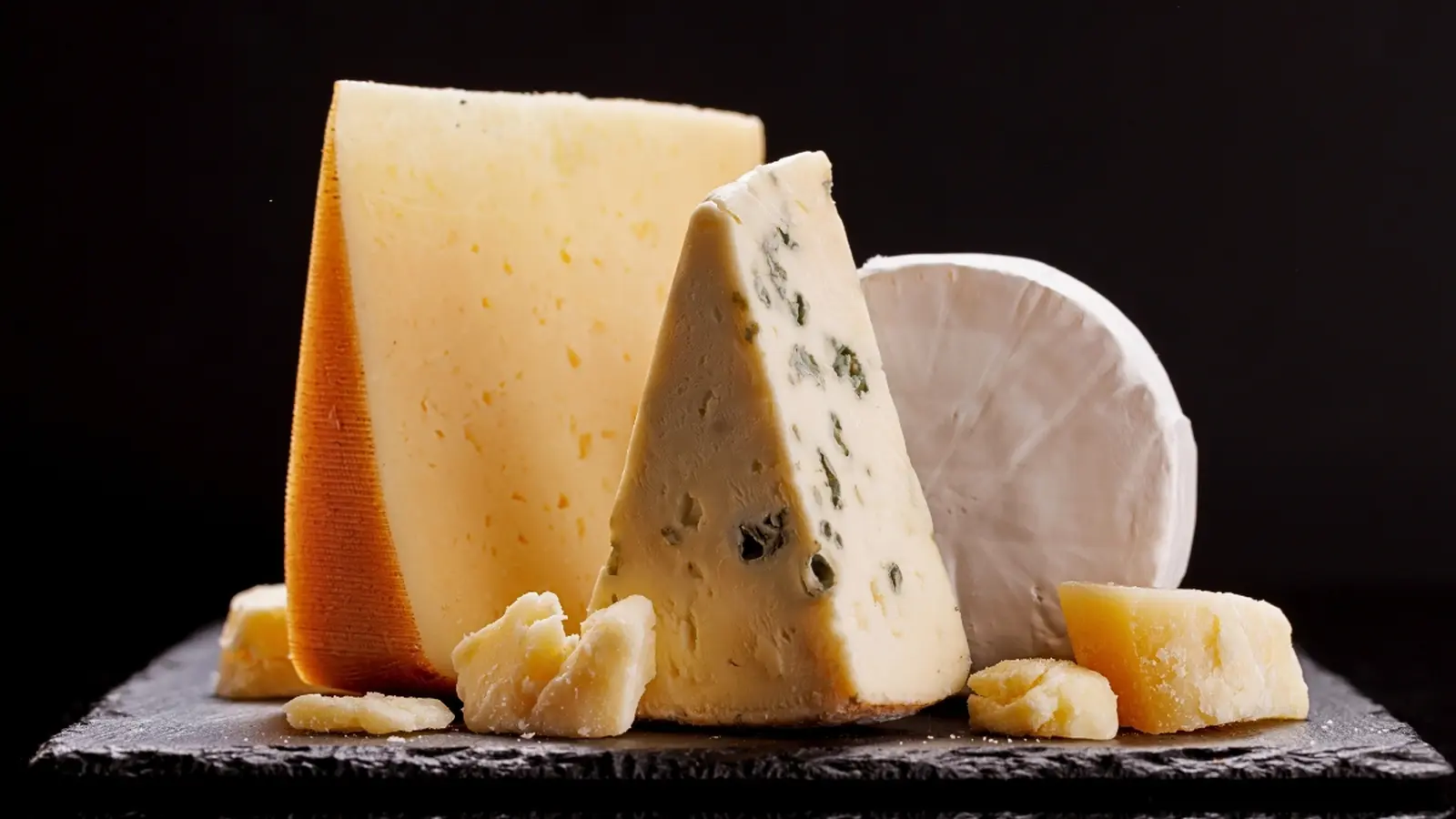
A long-term Swedish study has found a measurable association between eating higher amounts of high‑fat cheese and a reduced risk of developing dementia. The research, tracking tens of thousands of people for roughly a quarter-century, adds fresh nuance to debates about dairy fat, brain health, and diet-based prevention.
A 25-year look at cheese and cognition
Researchers followed 27,670 adults enrolled in the Malmö Diet and Cancer cohort for about 25 years to examine the link between dairy intake and later-life dementia. Over the follow-up period, 3,208 participants were diagnosed with dementia. Dietary habits were recorded at baseline with a 7-day food diary, a food-frequency questionnaire and a detailed interview about preparation and eating patterns—methods that provide a granular snapshot of habitual intake at one point in time.
The analysis focused on high‑fat cheeses—defined as cheeses with more than 20% fat content—which includes brie, gouda, cheddar, parmesan, gruyère and many types of mozzarella. Participants who reported consuming 50 grams (about 1.76 ounces) or more of high‑fat cheese per day had a lower incidence of all‑cause dementia than those who ate less than 15 grams per day. After accounting for age, sex, education and overall diet quality, the higher-intake group showed an approximately 13% lower risk of dementia.
Which dairy items mattered—and which didn’t
The protective association appeared specific to high‑fat cheese. The researchers did not observe a similar link for low‑fat cheeses, milk, fermented milk products such as yogurt and kefir, or cream. Butter produced mixed signals in the analysis; in some comparisons, heavy butter intake was associated with a possible increase in Alzheimer’s disease risk compared with people who did not eat butter.

Interpreting observational findings
It’s important to underline that the study reports an association, not proof that eating high‑fat cheese prevents dementia. Observational studies can detect statistical relationships but cannot conclusively establish cause and effect. Confounding factors—like lifelong lifestyle changes, socioeconomic factors, and other dietary components—can influence results.
As Tara Spires-Jones, Division Lead at the UK Dementia Research Institute (not involved with the study), has cautioned, baseline dietary records taken 25 years before dementia diagnoses may not reflect participants’ diets over the entire follow-up. People’s eating patterns and other risk factors can change substantially across decades.
Why might high-fat cheese show a benefit?
Scientists are exploring possible mechanisms but none is proven. High‑fat cheeses concentrate fat‑soluble vitamins and bioactive compounds produced during fermentation. Some of these—such as vitamin K2 (menaquinone), certain fatty acids, and fermentation-derived peptides—have been proposed to influence brain health, vascular function or inflammation. Fermented foods also contain unique microbiota and metabolites that might affect systemic health through gut–brain interactions.
Still, alternative explanations are plausible. Cheese consumption could act as a marker for other protective behaviors or reflect cultural dietary patterns linked to lower dementia risk. The study authors call for mechanistic research and repeated dietary measures across time to better understand whether cheese itself contributes to lower risk.
Public-health context and what this means for you
Dementia affects millions worldwide: an estimated 57 million people were living with dementia in 2021, with roughly 10 million new cases diagnosed each year. Projections suggest the global burden could climb to as many as 153 million cases by 2050. Because effective treatments remain limited, researchers increasingly investigate prevention through modifiable risk factors such as diet, exercise and cardiovascular risk management.
Dietary patterns like the MIND diet—a hybrid of Mediterranean and DASH diets—have shown promise but study results are inconsistent. This new evidence from Sweden suggests that some high‑fat dairy products may not be the cognitive risk factor they were once thought to be, but it does not amount to a dietary prescription. People should weigh potential benefits against established risks associated with high saturated fat intake, especially for cardiovascular disease.
Expert Insight
“The study is valuable because of its duration and the size of the cohort,” says Dr. Maria Jensen, a clinical nutrition scientist. “But one snapshot of diet at baseline is a weak surrogate for lifelong patterns. If future research—ideally randomized trials or repeated long-term dietary surveys—confirms a protective effect, we’ll need to understand which components of cheese are responsible and whether they can be delivered safely within balanced diets.”
The Lund University team behind the study, led by nutrition epidemiologist Yufeng Du with interpretation help from Emily Sonestedt and colleagues, published their findings in Neurology and emphasized the need for more targeted research to clarify mechanisms and causal pathways.
For now, the take-away is cautious: high‑fat cheese may be associated with modestly lower dementia risk in this large Swedish cohort, but it is not a magic bullet. A holistic approach—managing blood pressure, staying active, avoiding smoking, and following a balanced diet—remains the most evidence-based strategy to reduce dementia risk.

“My work centers on sustainability, energy, and environmental science — examining how innovation can lead to a greener future.”

Discussion
Leave a Comment