
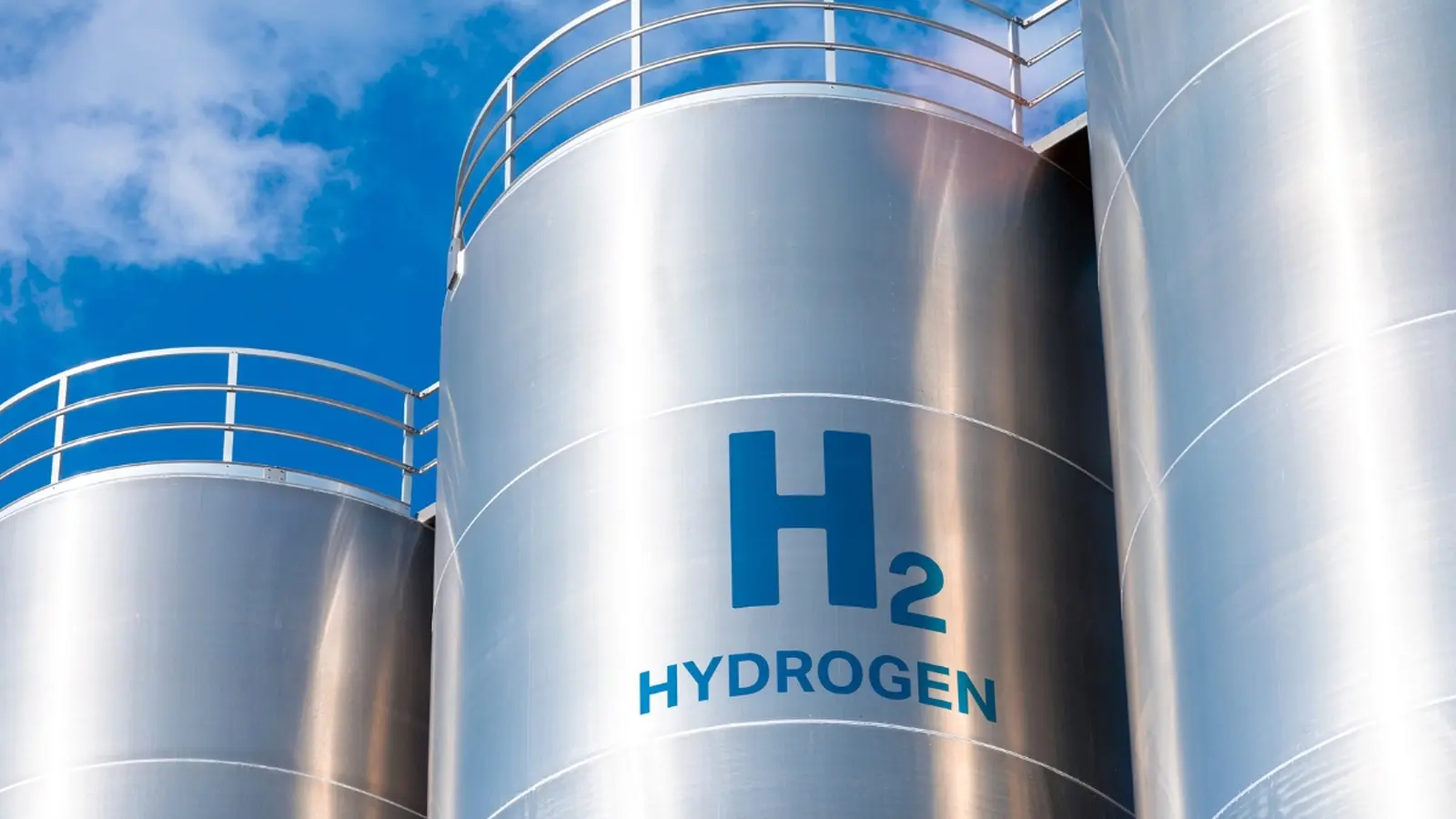
Hydrogen has been promoted as a near-zero-emission fuel for transport and heavy industry, but new research shows the gas can indirectly warm the planet by prolonging the life of methane in the atmosphere. The finding complicates plans to scale up hydrogen as a climate solution and highlights gaps in our understanding of the global hydrogen cycle.
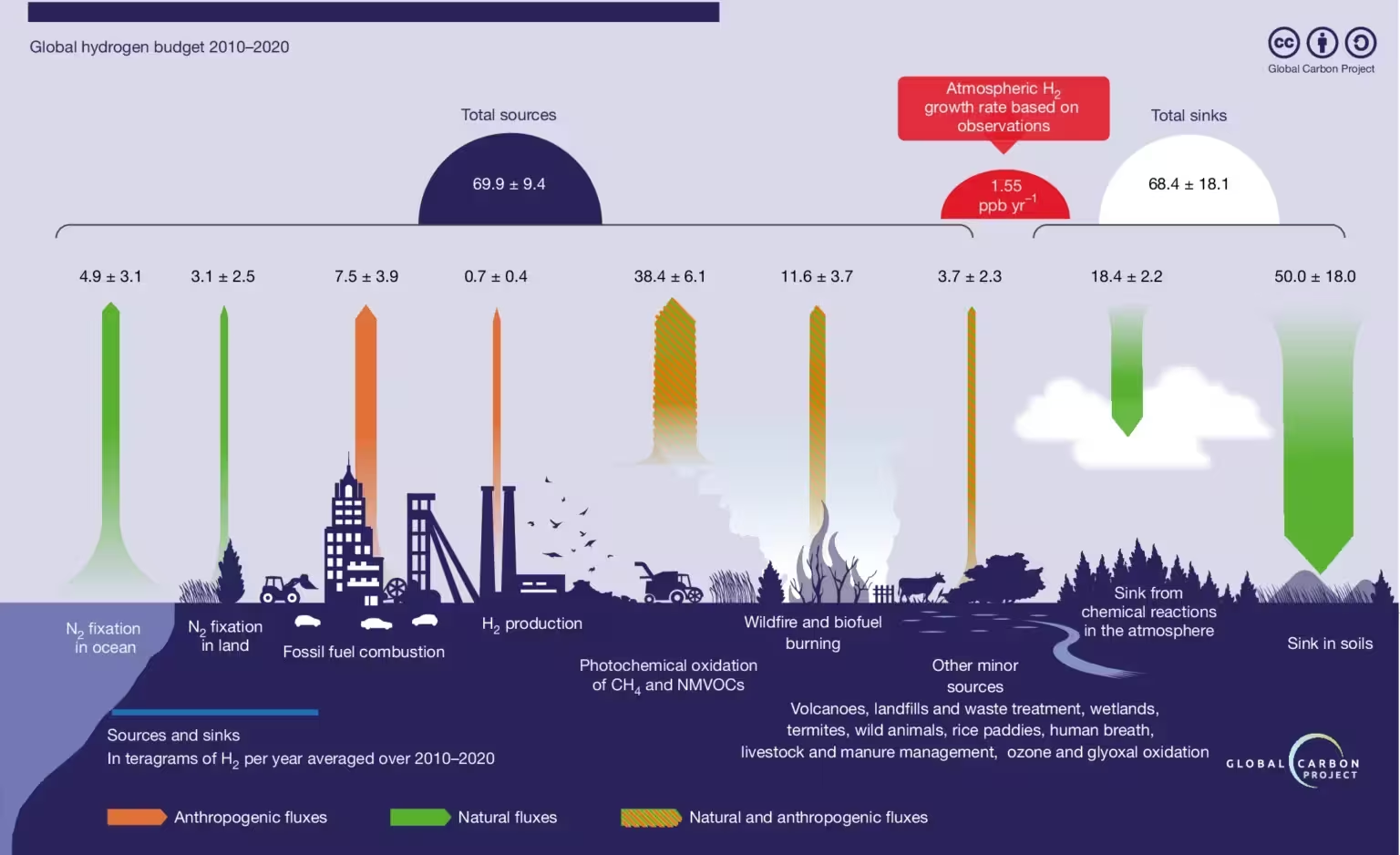
The main sources and sinks of hydrogen
How hydrogen amplifies methane's warming
Hydrogen (H2) itself does not absorb significant infrared radiation and so is not a direct greenhouse gas in the way carbon dioxide or methane are. But atmospheric chemistry links H2 tightly with methane (CH4). Methane decomposition produces hydrogen, and hydrogen reacts with hydroxyl radicals (OH)—the atmosphere's natural "detergent" that breaks down methane.
When hydrogen concentrations rise, those OH radicals get consumed by H2, leaving fewer OH molecules available to destroy methane. The result: methane persists longer in the atmosphere, prolonging its powerful short-term warming effect. The chain of reactions also influences ozone formation and stratospheric water vapor, further complicating radiative forcing.
New study: modest signal, important ramifications
An international team convened by the Global Carbon Project published these findings in Nature (2025). Using atmospheric records and modelling, the authors estimate hydrogen emissions increased from 1990 to 2020 and that this rise contributed roughly 0.02 °C to the nearly 1.5 °C total warming since pre-industrial times.
"We need a deeper understanding of the global hydrogen cycle and its links to global warming to support a climate-safe and sustainable hydrogen economy," said Rob Jackson, the paper's senior author and a scientist at Stanford University. Lead author Zutao Ouyang, an assistant professor at Auburn University, explained the mechanism concisely: "More hydrogen means fewer detergents in the atmosphere, causing methane to persist longer and, therefore, warm the climate longer."
Sources, production routes and leaks
Not all hydrogen in the atmosphere comes from chemical breakdown of methane. Human activity has increased H2 emissions through leaks in industrial production and fossil-fuel systems. Today most H2 is produced from natural gas or coal via energy-intensive reforming processes that also emit large amounts of CO2. Electrolysis — splitting water with electricity — offers low-direct-emission "green" hydrogen when powered by renewables, but it remains expensive and limited in scale.
The study links rising hydrogen levels mainly to the growth in methane emissions from fossil-fuel extraction, livestock and landfills. Since methane itself creates hydrogen when it breaks down, the two gases form a feedback loop that policy makers and engineers must consider.
What this means for climate policy and technology
The results do not doom hydrogen as a low-carbon option, but they change the priorities. Reducing H2 leaks across the supply chain, accelerating methane mitigation (fixing leaks, changing agricultural practices, managing waste), and investing in truly low-carbon hydrogen production are all necessary. Accurate monitoring of H2 and OH chemistry, improved atmospheric models, and tighter industrial standards will be critical to avoid unintended climate impacts as hydrogen deployment expands.
Ultimately, designing a sustainable hydrogen economy requires pairing emissions reductions with careful atmospheric science. The new study is a reminder that indirect effects—subtle chemical interactions high above us—can ripple back to surface-level warming and must be part of any technology assessment.

“The cosmos has always fascinated me. I write about space missions, astronomy, and the technologies pushing humanity beyond Earth.”

Discussion
Leave a Comment