
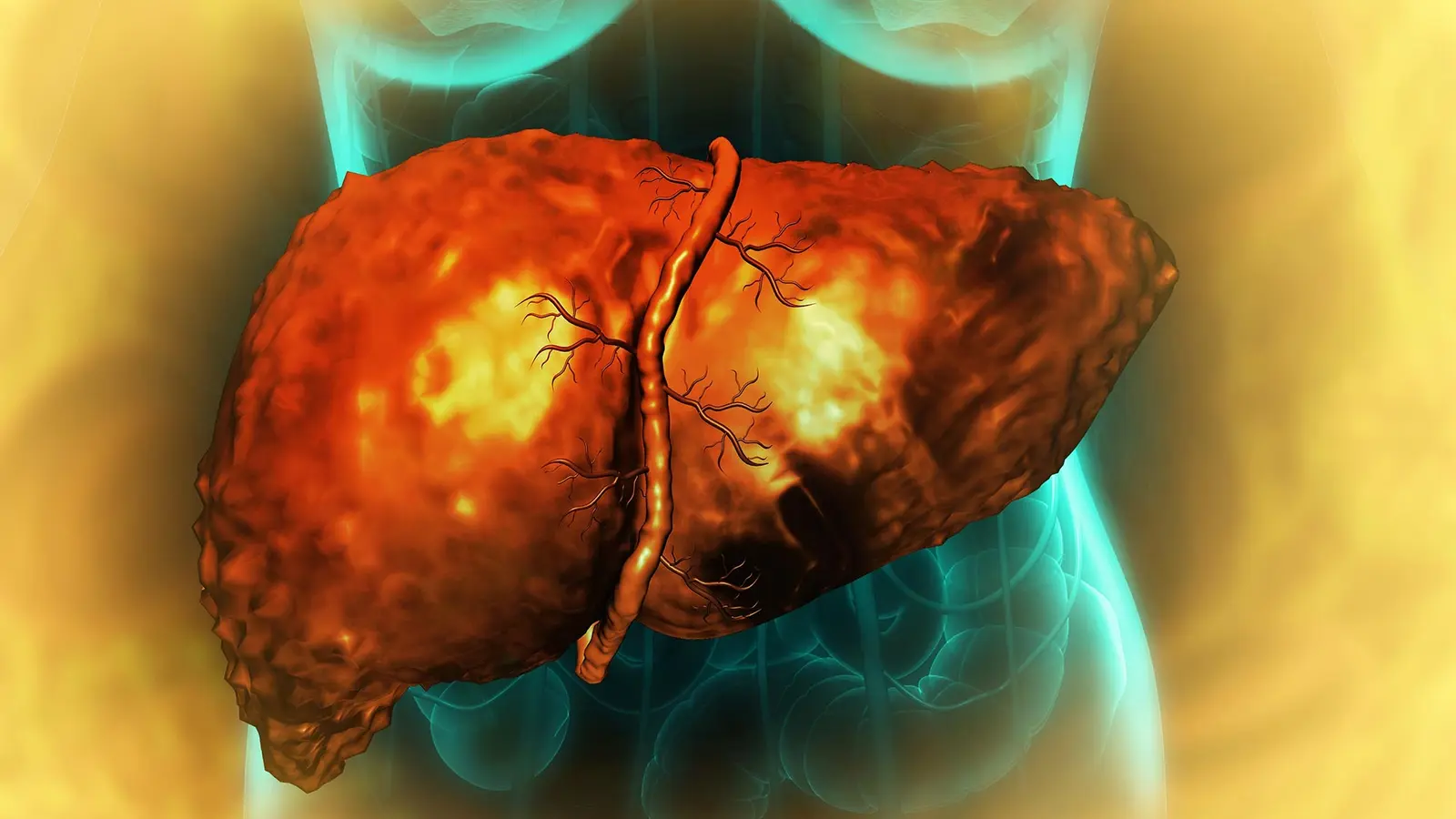
A high-fat diet can silently reprogram liver cells, nudging them into a primitive, stem-like state that makes cancer far more likely to emerge. New work from MIT and collaborators maps this cellular rewind and highlights molecular levers that could be drugged to stop the process.
A high-fat diet can reprogram liver cells, forcing them into a stem-like survival state that dramatically raises their cancer risk. Researchers say this hidden cellular shift helps explain why fatty liver disease so often leads to liver cancer — and how it might be stopped.
How excess dietary fat reshapes liver biology
Fatty liver disease — increasingly common worldwide as obesity and metabolic disorders rise — does more than deposit fat in hepatocytes (the liver’s main functional cells). According to a new study led by researchers at MIT and published in Cell, prolonged exposure to a high-fat diet triggers a broad reprogramming of hepatocyte gene expression. Rather than preserving their mature, specialized roles in metabolism and protein secretion, many hepatocytes switch on genes associated with survival under stress and adopt a more undifferentiated, stem-like identity.
That change is adaptive in the short term: cells that reduce their metabolic workload and boost pathways that prevent programmed cell death are more likely to survive repeated insults from fat accumulation, inflammation, or toxins. But there’s a trade-off. Cells that shed mature functions and adopt proliferation-friendly programs are closer, genetically and functionally, to the starting point from which cancers can arise.
The researchers followed this process in mice fed a high-fat diet and used single-cell RNA-sequencing to track the gene-expression shifts over time. That technique reads which genes each individual cell is using, enabling the team to chart how hepatocytes move from healthy specialization toward a survival-first identity as steatosis and inflammation progress.

Molecular triggers: which genes push cells backward?
Single-cell data revealed waves of change. Early on, hepatocytes activated genes that suppress cell death and allow continued division. Over weeks and months, genes central to routine liver functions — enzymes for metabolism and proteins for secretion — were progressively muted. The net effect looks like a cellular bargain: survive now by abandoning roles needed for normal liver performance.
Key transcription factors and druggable enzymes
- SOX4: Normally active in fetal tissues but not in healthy adult liver, SOX4 reappears during long-term fat stress. Its activation correlates with the shift toward an immature cell state and appears to be a crucial driver of that change.
- HMGCS2: An enzyme tied to metabolic pathways; its modulation was highlighted in the study and is already the focus of clinical interest for steatotic liver disease.
- Thyroid hormone receptor pathways: The team points to gene programs regulated by thyroid hormone signaling, and drugs targeting these pathways have begun to be repurposed or approved for severe steatotic disease (for example, in MASH fibrosis).
Because transcription factors like SOX4 coordinate broad suites of genes that determine cell identity, they present attractive but challenging therapeutic targets. Blocking or re-tuning these factors could, in principle, prevent hepatocytes from slipping into the vulnerable, progenitor-like state that primes them for tumorigenesis.
From mouse models to people: human data aligns
The study didn’t stop at animal models. Researchers analyzed human liver tissue across the spectrum of disease and found a matching program: as patients progressed from early steatosis to fibrosis and cancer, expression of genes supporting healthy liver functions declined while pro-survival and immature-state genes rose. Importantly, these expression patterns had clinical relevance — patients whose tumors or diseased tissue showed stronger activation of pro-survival programs had shorter post-diagnosis survival times.
The timeline differs between species. In the MIT mouse experiments, aggressive disease and liver cancer often developed within about a year on a high-fat diet. Human progression is slower but persistent: researchers estimate the cell-state rewiring that elevates cancer risk may accumulate over decades — roughly 20 years in many cases — depending on modifiers such as alcohol, viral hepatitis, genetics, and ongoing dietary patterns.
Implications for prevention and treatment
Understanding that high-fat diets can biologically prime hepatocytes for cancer reframes how clinicians and researchers think about fatty liver disease. It’s not only an accumulation of fat and inflammation: it’s a progressive change in the identity of liver cells that lowers the barrier to malignant transformation once mutations occur.
Several practical implications follow:
- Early intervention: Detecting and reversing cell-state changes before malignant mutations accumulate could reduce liver cancer incidence.
- Drug repurposing: Agents already approved or in trials for steatotic liver disease (including drugs acting on thyroid hormone receptors and enzymes like HMGCS2) may also reduce cancer risk by restoring mature hepatocyte programs.
- Weight-loss strategies and metabolic therapies: Lifestyle changes and medications such as GLP-1 receptor agonists — which promote weight loss and improve metabolic health — might help reverse the stress signals that drive cells toward a stem-like state. Ongoing studies will test that directly.
Expert Insight
"These findings bridge a crucial gap between epidemiology and cell biology," says Dr. Elena Morales, a hepatology researcher unaffiliated with the study. "We’ve known for years that fatty liver disease elevates cancer risk, but seeing the transcriptional programs that push hepatocytes toward a progenitor-like identity provides a concrete mechanism. It also gives us molecular handles to test therapies that could prevent that identity shift."
"If we can stabilize the mature hepatocyte state pharmacologically, or restore it through lifestyle and metabolic interventions, we stand a better chance of preventing tumors before they ever form," she adds.
What researchers plan next
Follow-up work will test whether the cell-state changes are reversible. Key questions include whether dietary normalization or metabolic drugs can pull hepatocytes back to their mature identity, and whether doing so reduces cancer incidence in animal models. Clinical correlations will also be expanded to larger patient cohorts to refine the predictive power of gene-expression signatures for outcomes and therapy selection.
Another research direction is to develop targeted inhibitors or modulators of transcriptional drivers like SOX4. Because transcription factors control many downstream genes, precisely tuned approaches will be necessary to minimize off-target effects and preserve healthy tissue function.
Conclusion
The MIT-led study reframes fatty liver disease not merely as fat accumulation and inflammation, but as an active reprogramming of hepatocyte identity that lowers the threshold for cancer. By tracing this process with single-cell resolution and linking it to specific transcriptional drivers and drug targets, the research opens new avenues for early intervention — from repurposed drugs and metabolic therapies to novel agents aimed at the transcriptional machinery itself. For a condition affecting millions globally, understanding and interrupting this silent cellular rewind could materially reduce the future burden of liver cancer.

“My work centers on sustainability, energy, and environmental science — examining how innovation can lead to a greener future.”

Discussion
Leave a Comment