
3 Minutes
Xiaomi’s upcoming budget models under the Redmi and Poco names have surfaced in certification databases, giving us a first look at the hardware. The Redmi A7 Pro and Poco C81 appear to be near-identical twins aimed at different markets, and the filings reveal screen size, chipset, battery and a few other key details.
What the certifications reveal
Both phones show up in GSMA IMEI and FCC listings—model numbers 25128RN17A for the Redmi A7 Pro and 25128RN17G for the Poco C81—confirming the close relationship between the two. Curiously, Xiaomi seems to be skipping the Redmi A6 entirely and moving from the Redmi A5 directly to the A7 Pro, while Poco’s follow-up positions the C81 after the C71.

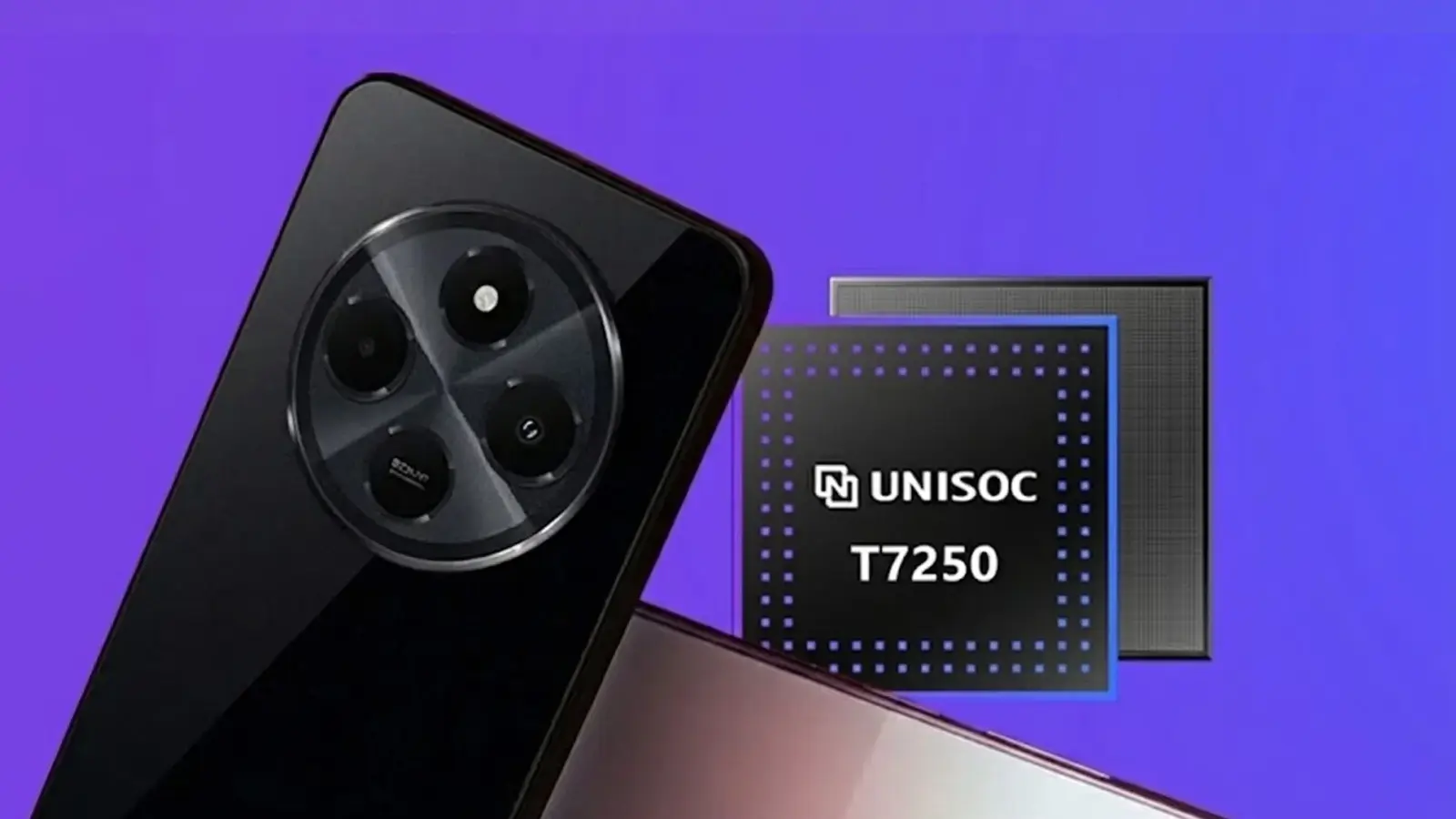
The FCC documents point to a large display just under seven inches, an IPS LCD panel with a waterdrop notch that keeps costs down while maximizing viewing area. Under the hood, both phones are expected to run on the Unisoc T7250, a 12nm chipset that blends efficiency and modest punch with a Mali-G57 GPU—suitable for everyday tasks and light gaming.
- Display: ~7-inch IPS LCD with waterdrop notch
- Processor: Unisoc T7250 (12nm) with Mali-G57 GPU
- Memory: up to 4GB LPDDR4X RAM; 64GB or 128GB eMMC storage
- Software: Android 15 or Android 15 Go Edition likely
- Battery: 6,000mAh cell; 15W USB-C charging
- Cameras: single rear camera (details not listed)
Storage choices appear to cap at eMMC speeds—64GB or 128GB—paired with up to 4GB of LPDDR4X RAM, a typical configuration for low-cost handsets. On the software front, expect either full Android 15 or the lighter Android 15 Go Edition, depending on the market and memory configuration.

Perhaps the most notable spec is the 6,000mAh battery, which promises multi-day endurance for basic users. Charging remains conservative at 15W through USB-C, and FCC notes suggest Xiaomi may not include a charger in the box—something to keep in mind if you buy one at launch.
Camera details are thin: certification listings don’t name sensors, and the phones reportedly stick to a single rear camera setup, keeping the design and costs straightforward. Overall, these devices look aimed at buyers who prioritize battery life and large screens over premium performance.
When will they arrive? The filings don’t include a launch date, but now that certifications are public, an announcement or regional rollouts could follow in the coming weeks. Curious which market gets the Poco-branded variant and who keeps the Redmi name? Stay tuned—Xiaomi’s budget strategy often splits models by region rather than specs.
Source: gizmochina



Leave a Comment