
New research shows diabetes changes the heart at a cellular level — and why drivers should care
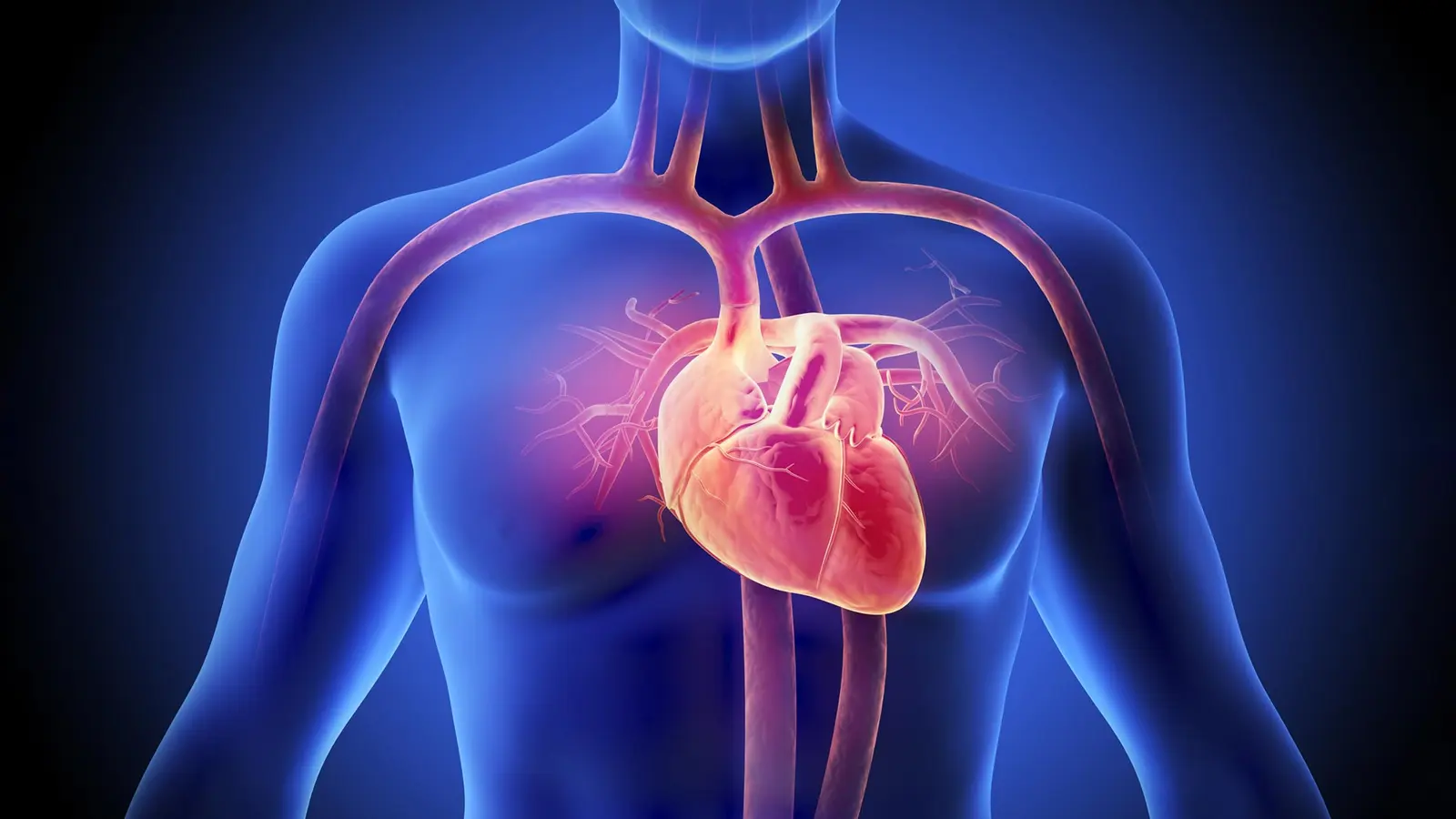
A team at the University of Sydney has published compelling evidence that type 2 diabetes does more than raise blood sugar: it physically remodels the human heart. By analysing donated heart tissue from transplant recipients and healthy donors, researchers mapped molecular and structural changes that help explain why people with diabetes are far more likely to develop heart failure.
The study, appearing in EMBO Molecular Medicine and led by Dr Benjamin Hunter and Associate Professor Sean Lal, shows diabetes disrupts the heart's energy systems, increases cell stress and promotes a build-up of fibrous tissue. These effects were strongest in patients with ischemic cardiomyopathy — the condition caused by reduced blood flow that is a leading driver of heart failure.
Key takeaways from the study
- Diabetes alters how the heart generates energy, increasing mitochondrial stress.
- Insulin resistance impairs glucose transport in heart muscle cells.
- Structural proteins involved in contraction and calcium handling are reduced.
- Fibrosis (stiff, scar-like tissue) accumulates, worsening pumping function.
"This research links diabetes and heart disease in ways that have not been shown in humans before," said the lead investigators. Their multi-layered approach combined gene expression analysis (RNA sequencing) with advanced microscopy to confirm that the observed protein changes corresponded with genetic shifts and visible tissue remodelling.

What the results mean physiologically
Under normal conditions the adult heart is a metabolic omnivore: it prefers fats but uses glucose and ketones as needed. In heart failure, glucose uptake often increases. However, type 2 diabetes blunts insulin sensitivity in cardiac glucose transporters, so the heart’s ability to use glucose efficiently is compromised. The result is increased mitochondrial stress — mitochondria are the cell’s energy powerhouses — and a decline in proteins necessary for coordinated contraction.
At the tissue level, the team observed greater fibrotic deposition in diabetic hearts with ischemic damage. Fibrosis stiffens the myocardium, limiting contraction and relaxation and accelerating the progression to clinically significant heart failure.
Why this matters beyond the lab
For everyday drivers and the automotive industry, the findings carry practical implications:
- Driver safety and health: Diabetes-related cardiac changes can increase fatigue, reduce exercise tolerance and raise the risk of sudden cardiac events — all factors that affect road safety, particularly on long trips or for professional drivers.
- In-cabin monitoring and telematics: As vehicles increasingly integrate health sensors, the ability to flag cardiac risk markers or prolonged fatigue could become a valuable safety feature, especially for fleets and ride-hailing services.
- Insurance and fleet management: Telematics and biometric data tied to driver health may reshape risk models and premiums, encouraging preventive health checks and stricter medical fitness standards for certain driving roles.
- Vehicle ergonomics and comfort: Drivers with reduced cardiac reserve benefit from seating and climate systems that reduce strain during long drives, suggesting an opportunity for automakers to highlight health-focused cabin design in market positioning.
"Think of it like tuning a high-performance engine," says a medical expert. "If the fuel system is compromised and the internals are wearing, you lose power and reliability. The diabetic heart is facing the same mechanical and metabolic penalties." That analogy resonates with car enthusiasts and engineers who understand how energy delivery affects vehicle performance.
Potential avenues for treatment and industry response
The study’s identification of mitochondrial dysfunction and fibrotic pathways gives researchers targets for future therapies. Interventions that improve mitochondrial health, reduce fibrosis, or restore glucose handling in cardiac cells could slow or prevent heart failure in people with diabetes.
For the automotive sector, the findings reinforce trends toward health-aware design and connected services:
- Health-assist features (real-time fatigue alerts, adaptive cruise adjustments) could integrate with driver medical profiles.
- Fleets and commercial operators may adopt more frequent cardiovascular screening for drivers with type 2 diabetes.
- Vehicle makers can promote cabin technologies and ergonomic features that help drivers with chronic conditions maintain comfort and alertness.
Practical advice for drivers living with diabetes
- Schedule regular cardiac evaluations — especially if you have known coronary disease or symptoms like breathlessness or unusual fatigue.
- Discuss exercise, diet and medication strategies that protect both metabolic and cardiac health.
- Plan breaks on long drives to reduce fatigue; choose vehicles with supportive seats and climate control.
Final note
This human tissue study strengthens the molecular link between type 2 diabetes and heart disease, revealing changes that undermine the heart’s energy systems and structure. The discovery has clinical importance for cardiology and endocrinology and practical implications for road safety, vehicle design and fleet management. For drivers and the broader automotive market, the message is clear: medical management of diabetes is not just about blood sugar — it’s central to preserving heart performance, driving safety and long-term mobility.

“My work centers on sustainability, energy, and environmental science — examining how innovation can lead to a greener future.”

Discussion
Leave a Comment