
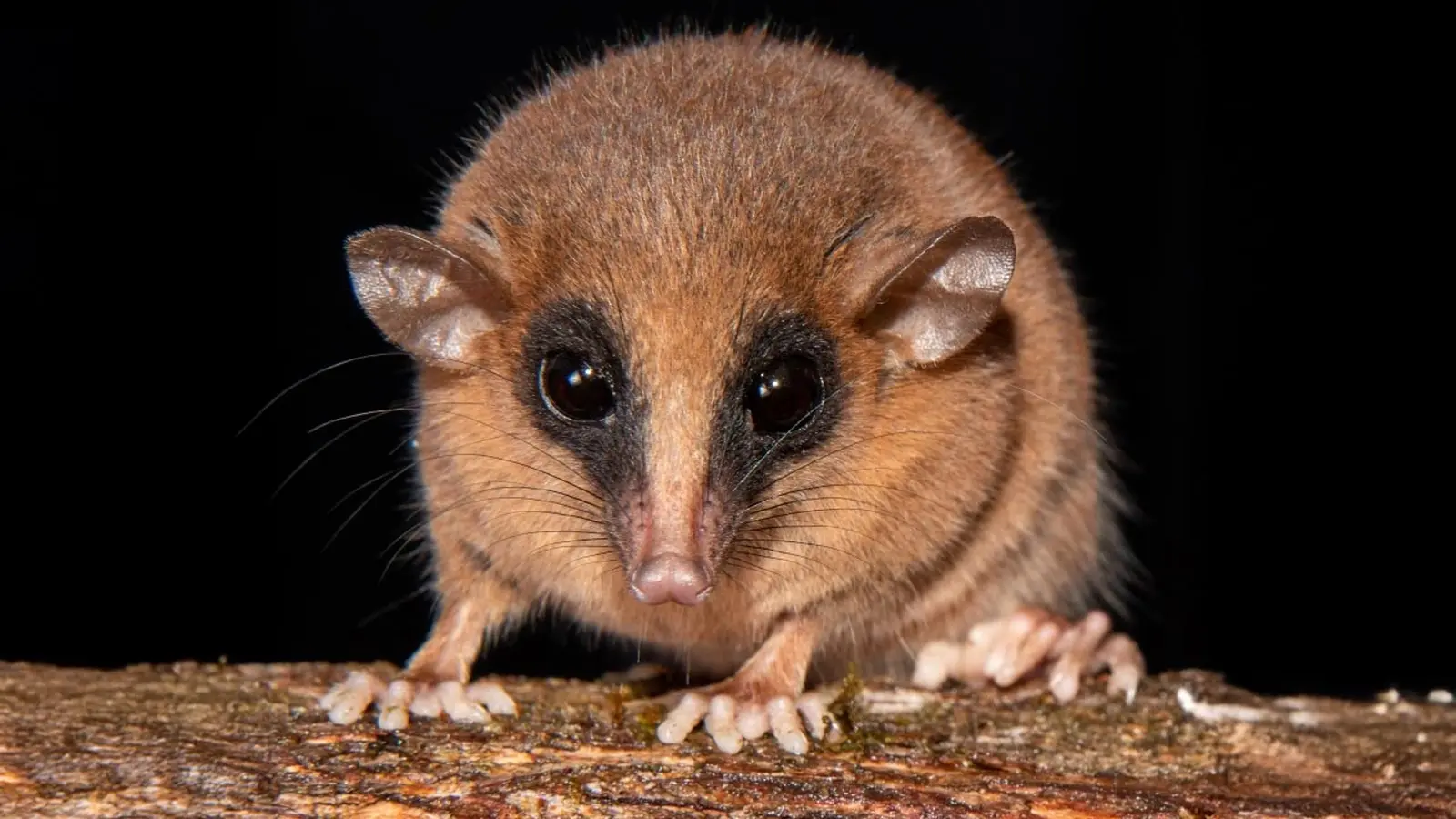
Seventy surprising newcomers: nature’s 2025 roll call
In a year that felt equal parts fossil-hunt thriller and backyard archive mystery, researchers at the American Museum of Natural History formally described more than 70 species new to science. The list reads like an explorer’s log: feathered dinosaurs with stomach contents still preserved, tiny mouse opossums with strikingly long snouts, bees that look like teddy bears, sap-feeding flies frozen in 17-million-year-old amber, and even a previously undocumented mineral. For readers who care about exploration, machines that get you there, and the ecosystems surrounding roads and trails, these discoveries underline how much of the world remains unmapped — and how important robust field vehicles are to modern science.
From remote fieldwork to forgotten drawers
Not all of the new species were found with fresh shovels or new expeditions. Many came from long-held museum specimens that only revealed their differences after 21st-century techniques — DNA sequencing, micro-CT scanning, and fresh anatomical analyses — were applied. Others were the result of modern field teams driving deep into highlands, rivers, and islands using purpose-built expedition vehicles, 4x4 SUVs, and modular mobile labs.
“Specimens preserved across generations continue to reveal new insights,” said Cheryl Hayashi, Senior Vice President and Provost of Science at the Museum, capturing the two-fold nature of discovery: fieldwork logistics and archival reexamination. For automotive-minded readers, it’s a reminder that the right vehicle — reliable, fuel-efficient for long-range, and with enough payload to carry scientific gear — is as critical as the binoculars or the field microscope.

Highlights from the year — a naturalist’s headline list
- Feathered dinosaurs: Newly named species include early feathered dinosaurs from China, one of which was discovered with two small mammal skeletons in its stomach — a fossilized snapshot of a last meal.
- Ancient lizards and mammal ancestors: Scottish Jurassic finds and Chinese early-Jurassic mammals reshape ideas about how jaws and teeth evolved in early mammals and reptiles.
- Highland marsupial: Marmosa chachapoya, a tiny mouse opossum with a notably long nose and tail, was recorded at unusually high elevations in the Peruvian Andes.
- Insects in amber: Several species of sap flies and bees were described from Dominican amber dating back ~17 million years, including bees so well preserved they still carried pollen.
- New mineral: Lucasite-(La), a mineral found inside volcanic rock in Russia, was recognized and approved by the International Mineralogical Association, with type material now in the Museum’s collection.
Why the discoveries matter to car and gear enthusiasts
Field biology and paleontology often require traversing difficult terrain: river rapids, high-elevation forest, jagged coastline roads, and unpaved quarry tracks. That’s where automotive choices matter. Research teams increasingly balance classical off-road capability with sustainability goals — longer-range SUVs and 4x4s for remote access, combined with hybrid or electric support vehicles for base-camp logistics.
Think of an expedition fleet like a race team. Each vehicle has a defined role:
- Lead 4x4 (high ground clearance, locking differentials): reaches the most remote sample sites.
- Support pickup (large payload, modular bed racks): carries crates, digging equipment, and sample coolers.
- Mobile lab van (insulated, power generation): provides a workspace to process specimens immediately.
- Lightweight scout ATV or electric UTV: minimizes footprint across fragile ecosystems.
Performance and design notes for expedition vehicles
For those building or choosing expedition rigs, certain vehicle specs consistently win field teams’ trust: high approach and departure angles, at least 220–300 mm ground clearance for rugged trails, long-travel suspension to preserve sample integrity while moving, and a reliable electrical system for running fridges and diagnostic tools. Payload and towing capacity matter too; a single fossil block can weigh hundreds of kilograms. Increasingly, teams are adding solar or portable hydrogen fuel cells to reduce diesel dependence and the carbon footprint of logistics — a small but meaningful move for conservation-minded researchers.

Selected species that captured headlines
Below are a few of the most striking finds, paraphrased from the Museum’s technical descriptions and field reports.
- Marmosa chachapoya — a mouse opossum discovered at high elevation in Peru’s Parque Nacional Rio Abiseo. Its long nose and tail set it apart from regional relatives and speak to specialized feeding and arboreal behaviors.
- Breugnathair elgolensis — a Jurassic reptile from Scotland with hooked, python-like teeth and a gecko-like body plan. Its anatomy sheds light on early lizard and snake evolution.
- Endolobactis simoesii — a new genus of sea anemone from the Atlantic side of Mexico, bringing better clarity to coastal biodiversity and habitat mapping important for marine conservation planning.
- Aulacigaster alabaster and related sap flies — found preserved in Dominican amber and showing continuity in sap-feeding niches that link Caribbean and North American faunas over millions of years.
- Bombus messegus — a fossil bumble bee discovered with pollen still attached, one of those beautiful moments when paleontology becomes immediate natural history.
Field logistics: a small story from the road
One field team described a typical day: leaving a coastal town at dawn in a Toyota Land Cruiser packed with sample boxes, climbing gravel switchbacks to a remote watershed, then switching to a 4x4 van outfitted as a mobile lab for processing specimens. They emphasized simple upgrades that made the difference: heavy-duty tires rated for puncture resistance, an auxiliary battery for microscopes and fridges, and modular roof racks that could hold tree-climbing gear or inflatable boats.
"Good vehicles aren’t just about horsepower — they’re about preserving the sample," a team leader said. "Slow, steady, and predictable suspension can be the difference between a usable fossil and one that’s been shaken into fragments."
Conservation implications and market signals
New species descriptions matter beyond scientific charts; they can change conservation priorities, influence protected-area boundaries, and guide infrastructure decisions. For example, a newly described highland mammal may tip the balance toward stricter road management in a fragile watershed, influencing how transport and access are planned. Car manufacturers and fleet managers that serve research institutions increasingly emphasize modular, low-emissions platforms that can be customized for labs, sample storage, and low-impact access.
Quick takeaways for car enthusiasts and industry watchers
- Field science still depends heavily on capable off-road vehicles and versatile vans.
- Hybrid and electric platforms are gaining interest for base-camp and short-range work to reduce environmental impact.
- Modularity (racks, power systems, fridge integration) is now as important as the engine bay.
- Museum collections remain a goldmine; archives can yield discoveries that reshape evolutionary narratives.
Final thoughts
The 70-plus species described this year are a reminder that discovery happens in two places: in the dust of remote trails accessed by durable SUVs and trucks, and in the drawers of museums where specimens wait patiently for a new generation of tools and eyes. For automotive enthusiasts, the story is a call to think about how vehicles are part of the conservation equation — choices about fuel, payload, and design can directly support or hinder the work of documenting our planet’s biodiversity. Whether you’re into vehicle specs or fossil specs, both worlds share a core truth: the right equipment multiplies what humans can observe and protect.
Highlights: a feathered dinosaur with a last meal intact, a new mineral, dozens of insects trapped in amber, and highland marsupials — all found this year. Each is a testament to curiosity, engineering, and the roads (and tracks) that connect them.

“The cosmos has always fascinated me. I write about space missions, astronomy, and the technologies pushing humanity beyond Earth.”

Discussion
Leave a Comment