
When a Car’s Grill Looks Back at You
It’s a familiar trick of the eye for many motorists: a car’s front end, with its headlights and grille, suddenly looks like a face — friendly or menacing. That instant recognition is part of face pareidolia, the brain’s tendency to see faces in inanimate patterns. For most drivers this is a quirky visual quirk. But for a small number of people with visual snow syndrome, these illusions are more frequent, more vivid, and occasionally disruptive behind the wheel.
What is visual snow syndrome?
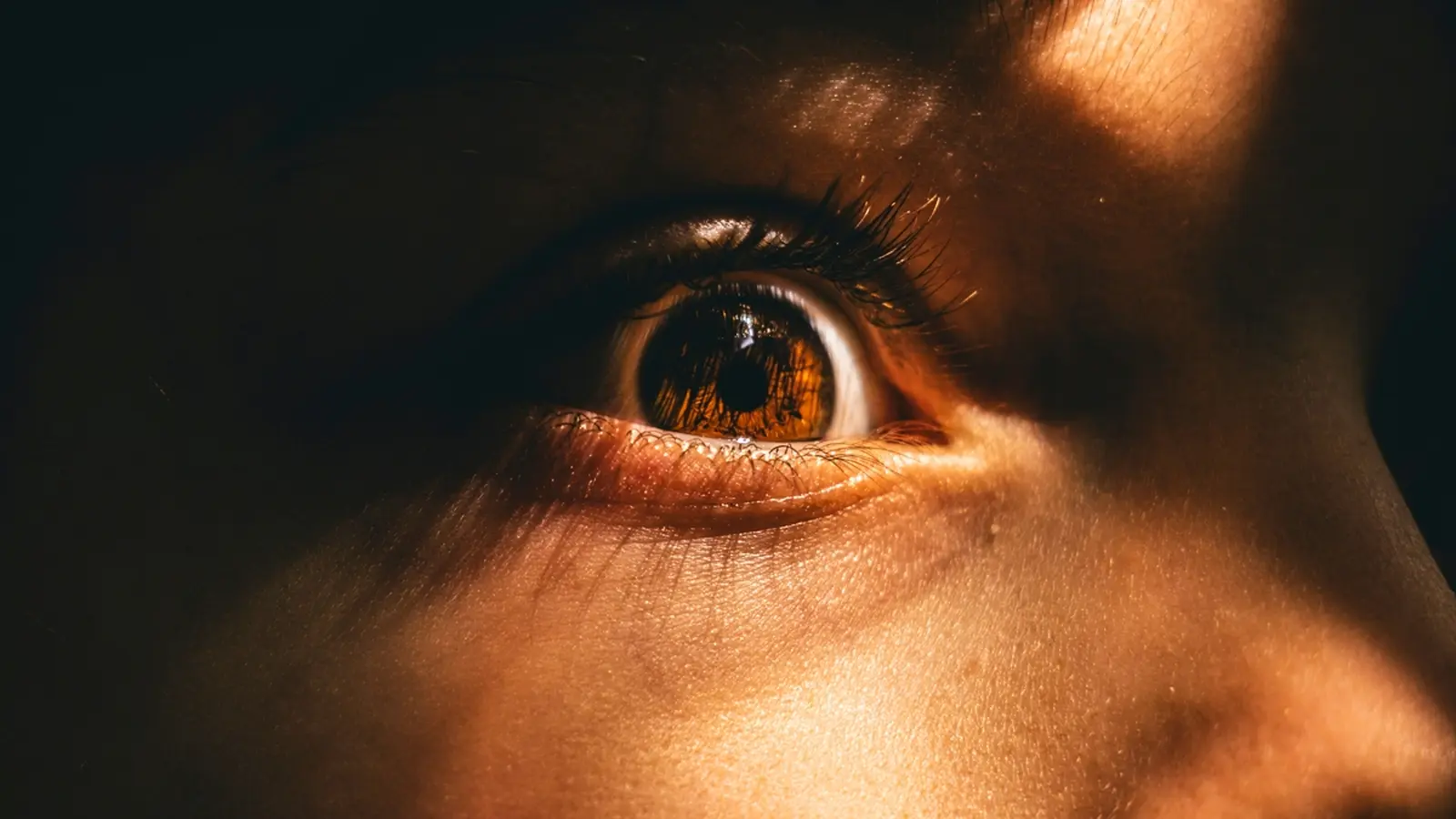
Visual snow syndrome is a neurological condition where sufferers perceive a constant overlay of flickering dots across their entire visual field — like static on an old TV. The effect can persist even in low light, and many people also report heightened light sensitivity, persistent afterimages, motion trails and frequent migraines. Recent research published in Perception found these patients are more likely to experience face pareidolia: they detect faces in random textures, tree bark and vehicle surfaces more readily than people without the condition.
Why this matters for drivers and car design
Cars are designed to communicate. Headlamp signatures, grille shapes and daytime running lights often form an anthropomorphic “face” that reinforces brand identity — think of BMW’s kidney grille or the aggressive mask of a performance SUV. Designers intentionally play with proportions and lighting to give vehicles a personality that helps them stand out in the market.

But when a perceptual system is overactive, the same design cues that create character can become misinterpreted. For drivers with visual snow, an ordinary parking lot or fast-moving traffic scene may yield more false positives — faces where none exist — increasing mental load and distraction. That’s a real consideration for road safety, driver comfort and how automakers craft exterior lighting and front-end styling.
The new evidence: methods and findings
In the study, more than 250 volunteers completed online tests that measured how easily they saw faces in 320 images of everyday objects, including natural textures and man-made items like car front ends. Participants rated images on a scale from 0 to 100. Those who met clinical criteria for visual snow consistently gave higher face-detection scores than controls.
Notably, people who experienced both visual snow and migraines scored highest, suggesting a cumulative effect. The broad takeaway: an overexcitable visual cortex seems to amplify early, automatic guesses about what we see — and if those guesses are skewed toward face detection, the illusion becomes stronger.
Key study implications
- Visual snow likely involves hyper-responsiveness in visual areas of the brain.
- Face pareidolia testing could become a simple tool to help clinicians identify altered visual processing.
- Designers and engineers should be aware that exterior styling can affect drivers with heightened visual sensitivity.
How this intersects with automotive technology
Modern cars increasingly rely on camera-based systems and advanced driver-assistance systems (ADAS) to detect pedestrians, vehicles and lane markings. While machine vision systems don’t experience pareidolia, they must contend with visual noise from weather, glare and sensor artifacts. Understanding human visual biases — like the tendency to see faces — can help engineers tune HMI (human-machine interface) alerts so they are informative without being anxiety-inducing.
For example, vehicles that use visual alerts or driver monitoring should consider how persistent visual artifacts might interact with driver perception. Adaptive dashboard brightness, configurable headlamp signatures and options to simplify front-end lighting callbacks could reduce false alarms for sensitive drivers.
Practical advice for drivers and the industry
If you or a passenger frequently sees faces in textures or vehicle fronts and it’s accompanied by static dots, migraines, or light sensitivity, consider these steps:
- Speak to a neurologist or ophthalmologist about visual snow and migraine history.
- Ask about simple perceptual tests — including face pareidolia tasks — that researchers are refining for diagnosis.
- When shopping for a car, take test drives at different times of day to check how lighting and glare affect your perception.
- Adjust cabin lighting, display brightness and head-up display settings to minimize visual overload.
A new lens on perception and safety
Face pareidolia is not a disease; it’s a byproduct of an evolved visual system that prioritizes social cues. Evolution tuned humans to spot faces quickly — an advantage on the savannah and a design tool in today’s marketplace. For a minority with visual snow, that system appears turned up too high, connecting random dots into meaningful patterns.
For the automotive world this research is useful on two fronts. First, clinicians gain a measurable behavioral sign of altered visual processing that might be used in screening. Second, car designers and safety engineers gain fresh insight into how styling, lighting and driver alerts interact with human perception — including atypical perception. That can inform better, more inclusive vehicle design and ADAS calibration.
Final thoughts
Understanding why some people see too much sheds light on how all of us interpret the world — on the road and off. The interplay between neuroscience and automotive design is growing more relevant as vehicles become more expressive and sensor-dependent. Paying attention to human perception, including conditions like visual snow, will help automakers build cars that are not only beautiful and distinctive but also safer and more comfortable for every driver.
"Design with empathy — a headlamp wink that delights most could distract a few. Knowing the difference matters."

“My work centers on sustainability, energy, and environmental science — examining how innovation can lead to a greener future.”

Discussion
Leave a Comment